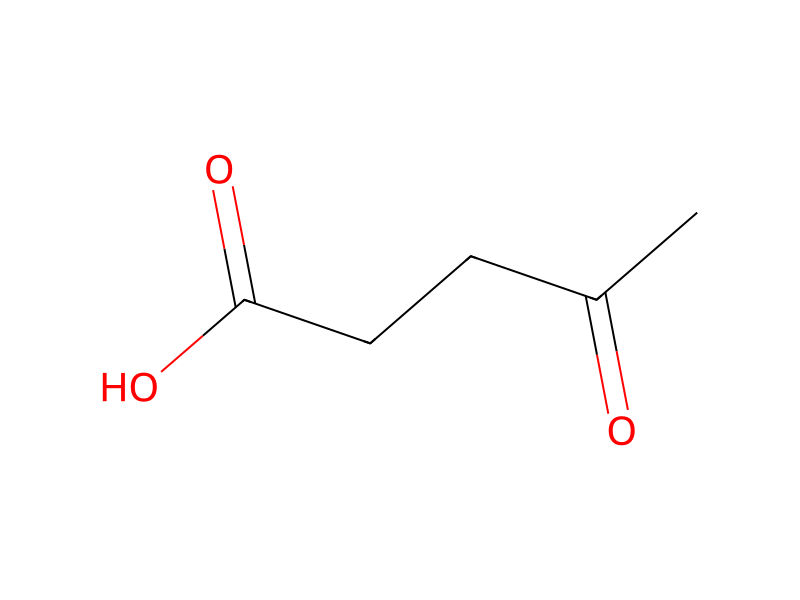
To a mixture of 10.2 grams (0.0876 mole) of levulinic acid in 25 ml. of water was added in the following sequence: 7.04 grams (0.0876 mole) of 50% sodium hydroxide, 5.88 grams (0.12 mole) of sodium cyanide and 10.9 grams (0.0438 mole) of t-butylhydrazine hydrochloride. The reaction mixture was stirred for 5 hours at room temperature, cooled to 5° C. and chlorine passed into the system holding the temperature below 15° C. until there was an increase in weight 10.0 grams (0.14 mole). After the chlorination was over, the product was extracted with methylene chloride, the methylene chloride solution washed twice with water, dried over anhydrous sodium sulfate, filtered, and the methylene chloride evaporated on a rotating evaporator to leave 9.70 grams (52.5% yield) of crude product. The crude material was recrystallized from benzene-pentane to give 8.0 grams of product having a melting range of 79°-81° C.