Reaction equation
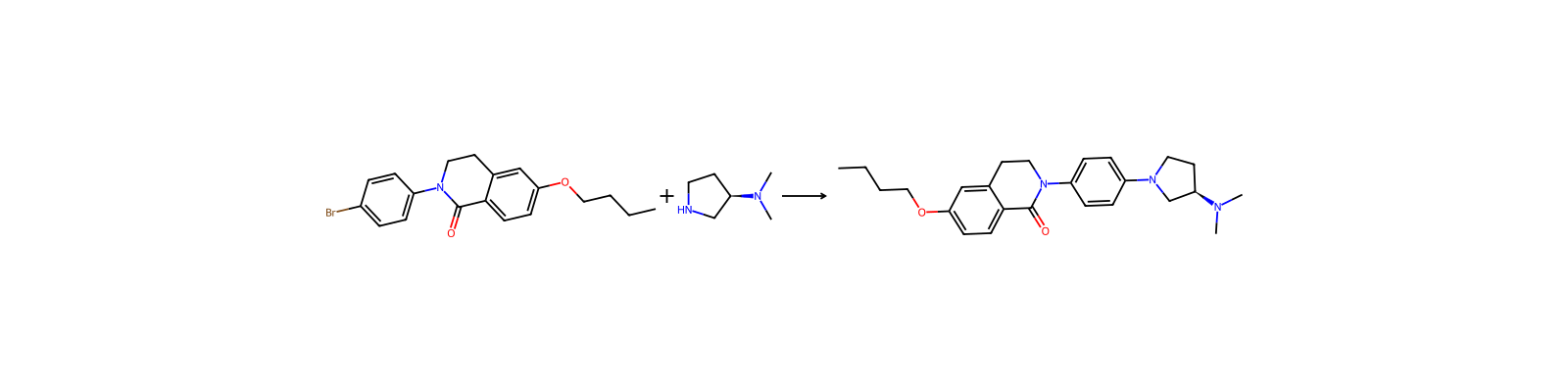
Br[C:2]1[CH:7]=[CH:6][C:5]([N:8]2[CH2:17][CH2:16][C:15]3[C:10](=[CH:11][CH:12]=[C:13]([O:18][CH2:19][CH2:20][CH2:21][CH3:22])[CH:14]=3)[C:9]2=[O:23])=[CH:4][CH:3]=1.[CH3:24][N:25]([CH3:31])[C@@H:26]1[CH2:30][CH2:29][NH:28][CH2:27]1>>[CH2:19]([O:18][C:13]1[CH:14]=[C:15]2[C:10](=[CH:11][CH:12]=1)[C:9](=[O:23])[N:8]([C:5]1[CH:6]=[CH:7][C:2]([N:28]3[CH2:29][CH2:30][C@@H:26]([N:25]([CH3:31])[CH3:24])[CH2:27]3)=[CH:3][CH:4]=1)[CH2:17][CH2:16]2)[CH2:20][CH2:21][CH3:22]Participants
3

Procedure
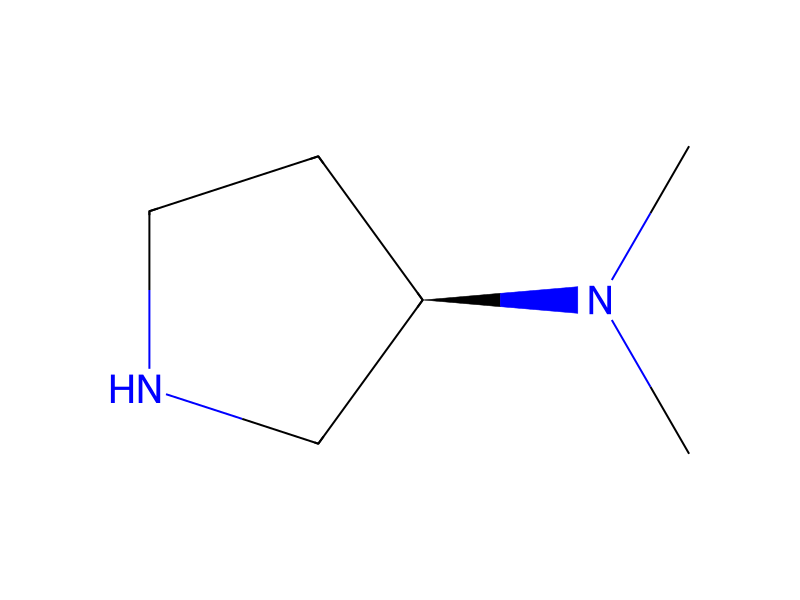
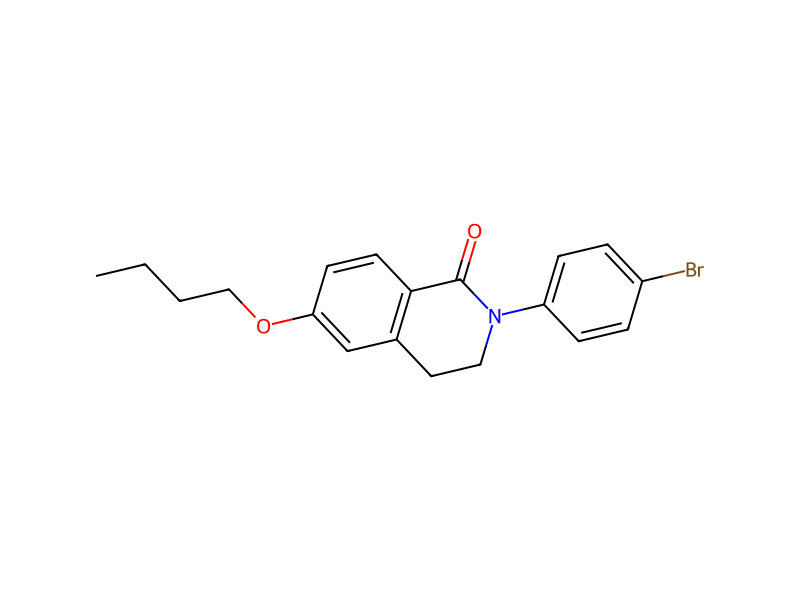
According to Method R, 2-(4-bromophenyl)-6-butoxy-3,4-dihydro-2H-isoquinolin-1-one was reacted with dimethyl-(R)-pyrrolidin-3-yl-amine. In this way the product was obtained with molecular weight 407.56 (C25H33N3O2); MS (ESI): 408 (M+H+).
Workup
- customIn this way the product was obtained with molecular weight 407.56 (C25H33N3O2)
Sources & evidence
- ORD record
- ord-6ce94083da4b4bdb958278a383b4a0fc
- Source dataset
- uspto-grants-2014_09
- Patent number
- US08822495B2
Linked notes
Loading…