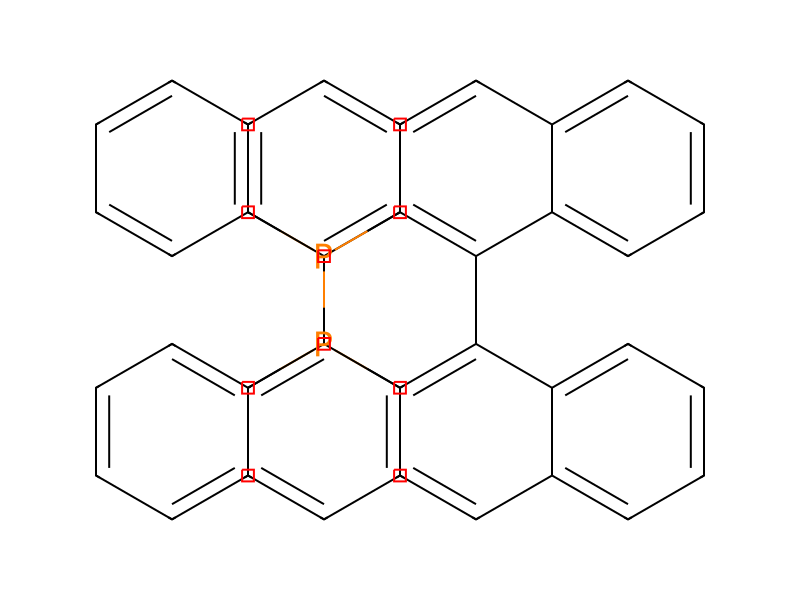
[NH2:1][C:2]1[C:7]([C:8]([O:10][CH3:11])=[O:9])=[C:6]([O:12][CH2:13][C@H:14]2[CH2:18][CH2:17][CH2:16][NH:15]2)[C:5](Br)=[CH:4][CH:3]=1.C1(P(C2C=CC=CC=2)C2C=CC3C(=CC=CC=3)C=2C2C3C(=CC=CC=3)C=CC=2P(C2C=CC=CC=2)C2C=CC=CC=2)C=CC=CC=1.C(=O)([O-])[O-].[Cs+].[Cs+]>C1(C)C=CC=CC=1.C([O-])(=O)C.[Pd+2].C([O-])(=O)C>[NH2:1][C:2]1[C:7]([C:8]([O:10][CH3:11])=[O:9])=[C:6]2[O:12][CH2:13][C@H:14]3[CH2:18][CH2:17][CH2:16][N:15]3[C:5]2=[CH:4][CH:3]=1A mixture of methyl 6-amino-3-bromo-2-((R)-1-pyrrolidin-2-ylmethoxy)benzoate (Intermediate 7, 1.65 g), palladium acetate (0.281 g), (+/−)-2,2′-bis(diphenylphosphino)-1,1′-binaphthalene (1.56 g) and cesium carbonate (3.26 g) in toluene (40 mL) was heated at 100° C., under an atmosphere of nitrogen for 2 hours. The mixture was cooled and partitioned between ethyl acetate and water. The organic layer was dried (Na2SO4), filtered and the filtrate was concentrated in vacuo. The residue was purified by chromatography on silica, eluting with a mixture of ethyl acetate and cyclohexane with a gradient of 0-40% to give methyl (R)-7-amino-2,3,3a,4-tetrahydro-1H-benzo[b]pyrrolo[1,2-d][1,4]oxazine-6-carboxylate (0.528 g) as a dark oil.
Loading…