Dimethyl Sulfoxide → 2,7-Dibromo-9,9-di-n-octylfluorene
Reaction equation

[Br:1][C:2]1[CH:14]=[CH:13][C:12]2[C:11]3[C:6](=[CH:7][C:8]([Br:15])=[CH:9][CH:10]=3)[CH2:5][C:4]=2[CH:3]=1.Br[CH2:17][CH2:18][CH2:19][CH2:20][CH2:21][CH2:22][CH2:23][CH3:24].CS(C)=O.[OH-].[Na+]>[Cl-].C([N+](CC)(CC)CC)C1C=CC=CC=1.O>[Br:1][C:2]1[CH:14]=[CH:13][C:12]2[C:11]3[C:6](=[CH:7][C:8]([Br:15])=[CH:9][CH:10]=3)[C:5]([CH2:13][CH2:14][CH2:2][CH2:3][CH2:4][CH2:12][CH2:11][CH3:10])([CH2:17][CH2:18][CH2:19][CH2:20][CH2:21][CH2:22][CH2:23][CH3:24])[C:4]=2[CH:3]=1Participants
7





Conditions
- Temperature
- 80 °C
Procedure
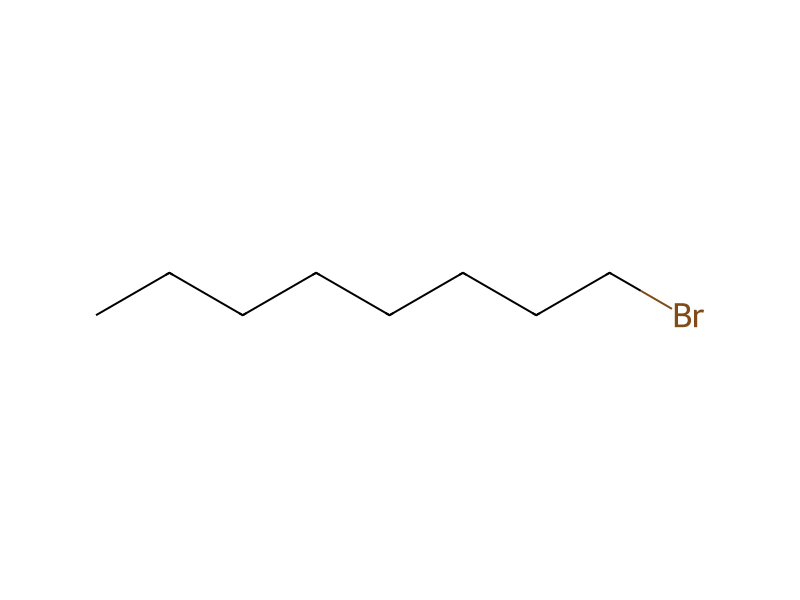
10.0 g (31.0 mmol) of 2,7-dibromofluorene, 19.7 g (89.0 mmol) of 1-bromooctane, 25 ml of dimethylsulfoxide, 24.9 g (623 mmol) of sodiumhydroxide and 50 ml of water were added to a 200 ml three-necked flask equipped with a reflux condenser, and this mixture was heated to 80° C. After the dissolution of the 2,7-dibromofluorene was confirmed, 608 mg (2.66 mmol) of benzyltriethylammonium chloride was added, and the resulting mixture was heated and agitated for 20 hours.
Workup
- customequipped with a reflux condenser
- temperaturethe resulting mixture was heated
Sources & evidence
- ORD record
- ord-532c39ee3196466881c0a8112b2bd92f
- Source dataset
- uspto-grants-2006_11
- Patent number
- US07135242B2
Reaction notes
Loading…