Reaction equation

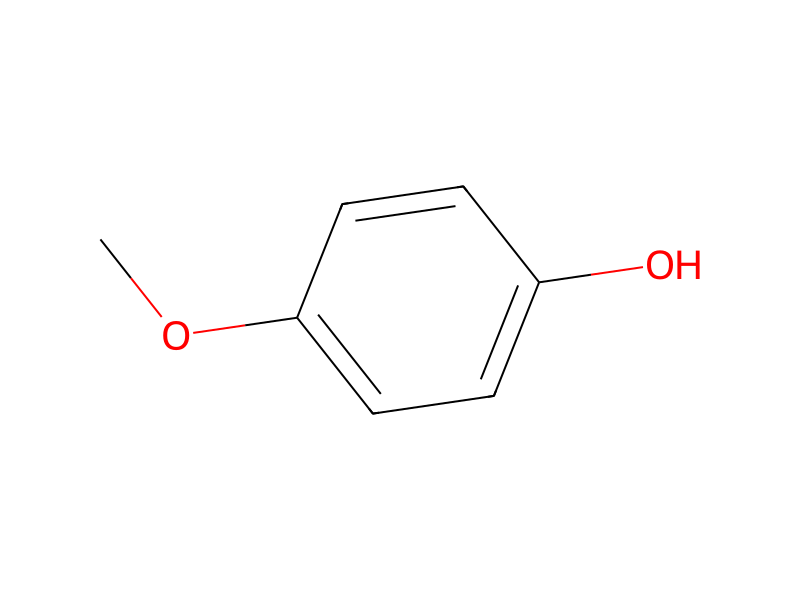
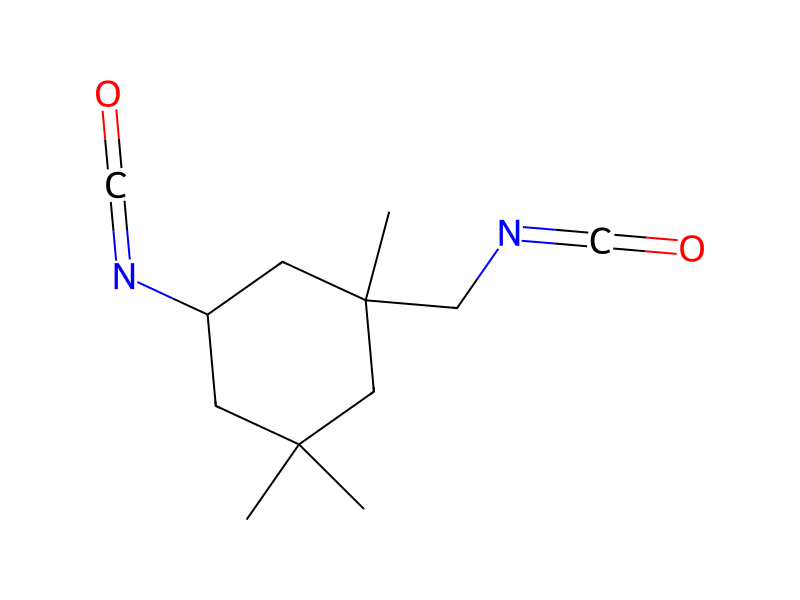
[C:1]([O:5][CH2:6][CH:7](O)C)(=[O:4])[CH:2]=[CH2:3].COC1C=CC(O)=CC=1.O=C=[N:21]C1CC(C)(C)CC(C)(CN=C=O)C1>C([O-])(=O)CCCCCCCCCCC.C([O-])(=O)CCCCCCCCCCC.C([Sn+2]CCCC)CCC>[C:1]([OH:5])(=[O:4])[CH:2]=[CH2:3].[NH2:21][C:1]([O:5][CH2:6][CH3:7])=[O:4]Participants
5
Reactant 3

Product 1

Reagents, catalysts & solvents 1

Conditions
- Temperature
- 50 °C
Procedure
400 parts by weight of polycaprolactone diol having an average molecular weight of 800, 131 parts by weight of 2-hydroxypropyl acrylate, 0.5 part by weight of dibutyltin dilaurate as a catalyst and 1.0 part by weight of hydroquinone monomethyl ether as a polymerization inhibitor were mixed while heating them to 50° C. with stirring. Then, 222 parts by weight of isophorone diisocyanate was dropwise added, and further the temperature was raised to 80° C. with stirring to carry out urethanation reaction. Making sure that the NCO conversion reached 99% or more, the reaction temperature was dropped to obtain urethane acrylate B.
Workup
- temperaturefurther the temperature was raised to 80° C.
- stirringwith stirring
- customurethanation reaction
- additionthe reaction temperature was dropped
Sources & evidence
- ORD record
- ord-f081e9517ab3496391b6695c29dd1e04
- Source dataset
- uspto-grants-2006_11
- Patent number
- US07141645B2
Linked notes
Loading…