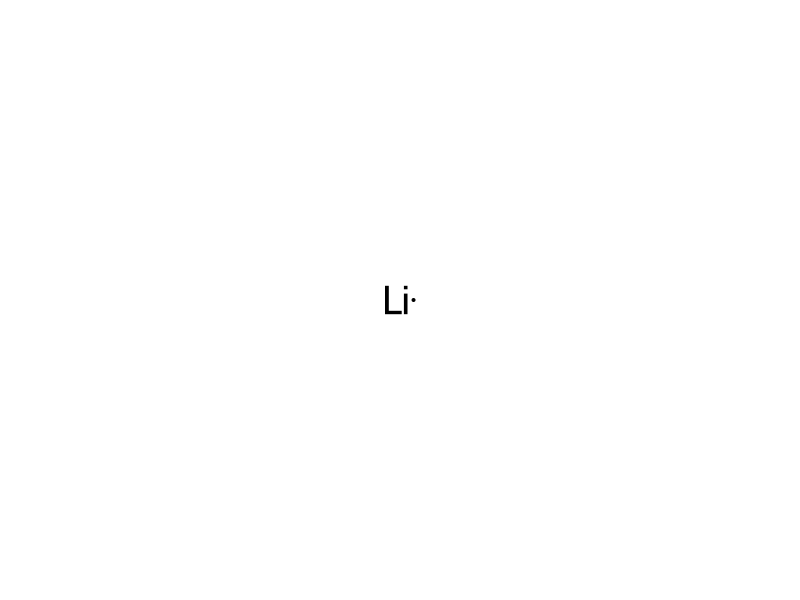
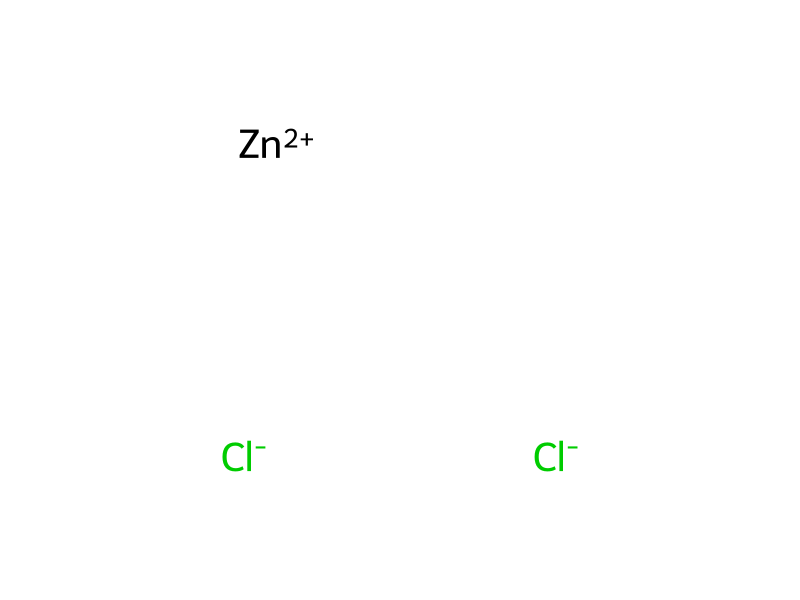
[CH:1]1[C:10]2[C:5](=[CH:6][CH:7]=[CH:8][CH:9]=2)[CH:4]=[CH:3][CH:2]=1.[Li].BrCCCC1C=CC=CC=1.[CH2:22]([N:24]1[C:30]2[N:31]=[CH:32]C(I)=[CH:34][C:29]=2[C:28](=[O:36])[N:27]([CH3:37])[C:26]2[CH:38]=[CH:39][CH:40]=[N:41][C:25]1=2)[CH3:23]>O1CCCC1.[Cl-].[Zn+2].[Cl-].[Zn].C1C=CC([P]([Pd]([P](C2C=CC=CC=2)(C2C=CC=CC=2)C2C=CC=CC=2)([P](C2C=CC=CC=2)(C2C=CC=CC=2)C2C=CC=CC=2)[P](C2C=CC=CC=2)(C2C=CC=CC=2)C2C=CC=CC=2)(C2C=CC=CC=2)C2C=CC=CC=2)=CC=1>[CH2:22]([N:24]1[C:30]2[N:31]=[CH:32][C:6]([CH2:7][CH2:8][CH2:9][C:10]3[CH:1]=[CH:2][CH:3]=[CH:4][CH:5]=3)=[CH:34][C:29]=2[C:28](=[O:36])[N:27]([CH3:37])[C:26]2[CH:38]=[CH:39][CH:40]=[N:41][C:25]1=2)[CH3:23]A solution of naphthalene (0.65 g, 5.07 mmol) in 2 mL of tetrahydrofuran was added to lithium wire (35 mg, 5.04 mmol), and the mixture was stirred overnight at room temperature under argon. A solution of zinc chloride in tetrahydrofuran (0.5M, 5.25 mL, 2.63 mmol) was then added. After 20 min, 1-bromo-3-phenylpropane (0.18 mL, 1.15 mmol) was added, and the reaction mixture was stirred at room temperature for 4.5 hours. Unreacted zinc was allowed to settle, and the supernatant was added by cannula to a solution of 5,11-dihydro-11-ethyl-8-iodo-5-methyl-6H-dipyrido[3,2-b:2',3'-e][1,4]diazepin-6-one (0.22 g, 0.58 mmol) and tetrakis(triphenylphosphine)palladium(0) (70 mg, 0.06 mmol) in 3 mL of tetrahydrofuran. The reaction mixture was allowed to stir overnight at room temperature under argon. The reaction was quenched by the addition of saturated aqueous ammonium chloride, and the product was extracted with ethyl acetate. The organic layer was washed with saturated aqueous sodium chloride, dried over magnesium sulfate, and concentrated. Purification by flash chromatography, eluting with ethyl acetate/dichloromethane, and recrystallization from ethyl acetate/hexanes afforded 16 mg of the title compound as off-white crystals, m.p. 100°-102° C.