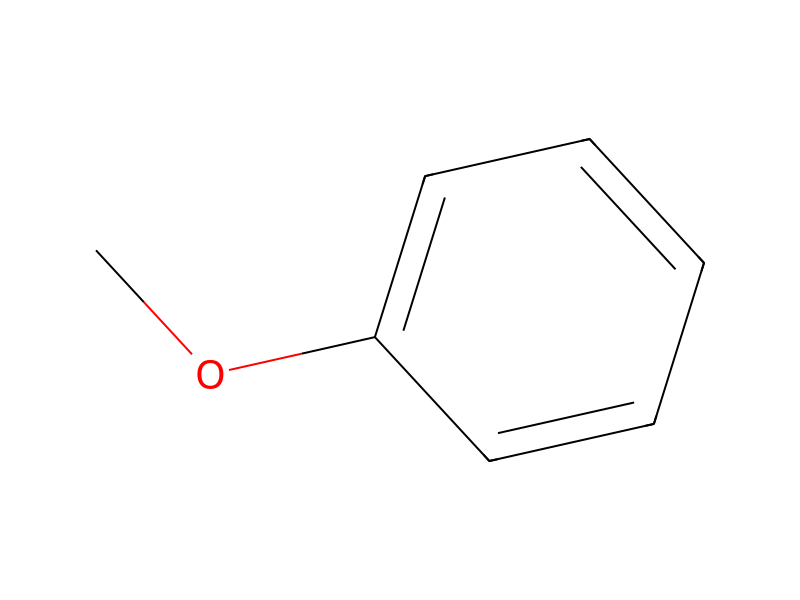
Anisole → 1-(4-Methoxyphenyl)-3-methylbutan-1-one
HRID 732236
Reaction equation

[C:1]1([O:7][CH3:8])[CH:6]=[CH:5][CH:4]=[CH:3][CH:2]=1.[C:9](Cl)(=[O:14])[CH2:10][CH:11]([CH3:13])[CH3:12]>>[CH3:8][O:7][C:1]1[CH:6]=[CH:5][C:4]([C:9](=[O:14])[CH2:10][CH:11]([CH3:13])[CH3:12])=[CH:3][CH:2]=1Participants
3


Procedure
In the first and second steps, after anisole (2) is reacted with isovaleryl chloride to afford 1-(4-methoxy-phenyl)-3-methyl-butan-1-one (3), the compound (3) is reacted with bromine, sulfuryl chloride, N-bromosuccinimide or copper bromide, to prepare 2-bromo-1-(4-methoxy-phenyl)-3-methyl-butan-1-one (4). At this time, the reaction temperature is preferably maintained in the range from −10 to 40° C., and the reaction solvent is selected from polar solvents, including dichloromethane, acetonitrile, ethylacetate, lower alcohols such as methanol, ethanol or isopropanol, ethers such as tetrahydrofuran or 1,4-dioxane, dimethylformamide, or dimethylsulfoxide, and mixtures thereof. Among the materials reacting with the compound (3) in the second step, bromine is preferably used because it is inexpensive and increases the yield (yield: 96% or more).