HomeMCPSkillsWorkbenchOpenChem
HomeWorkbenchNotificationsMe
llms.txt · skill.md · MCP GuidePrivacy Policy · Terms of Service · Supportv1.8.5
  1. Home
  2. /Reaction

Acetone → 3-[4-(2-Pyrimidinyl)piperazinyl]propyl chloride

HRID 745208
Print

Reaction equation

[N:1]1[CH:6]=[CH:5][CH:4]=[N:3][C:2]=1[N:7]1[CH2:12][CH2:11][NH:10][CH2:9][CH2:8]1.CC(C)=O.Br[CH2:18][CH2:19][CH2:20][Cl:21].[OH-].[Na+]>O>[Cl:21][CH2:20][CH2:19][CH2:18][N:10]1[CH2:11][CH2:12][N:7]([C:2]2[N:3]=[CH:4][CH:5]=[CH:6][N:1]=2)[CH2:8][CH2:9]1
ParticipantsProcedureWorkupSources & evidenceReaction notes

Participants

6

Reactant 4

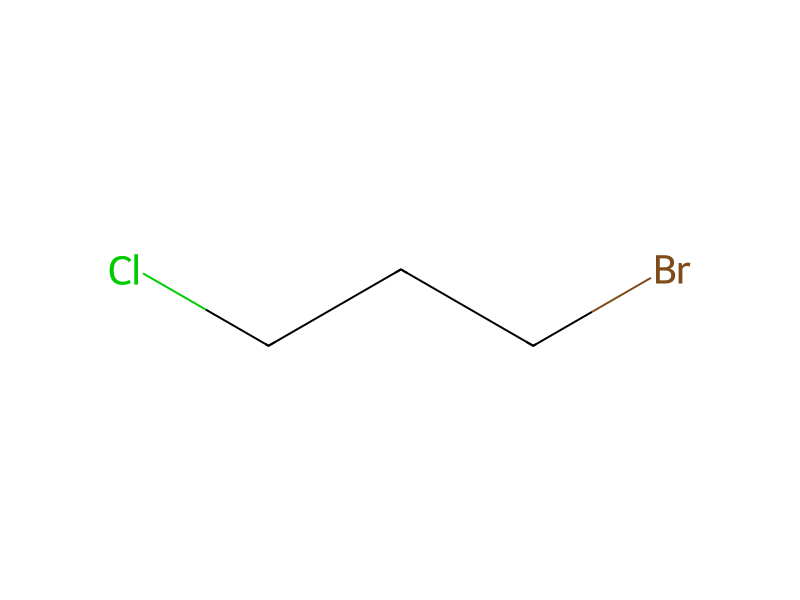
HCID 180AcetoneHCID 80061-Bromo-3-chloropropaneHCID 14798Sodium HydroxideHCID 887471-(2-Pyrimidinyl)piperazine

Product 1

HCID 148827373-[4-(2-Pyrimidinyl)piperazinyl]propyl chloride

Reagents, catalysts & solvents 1

HCID 962Water
Solvent

Procedure

A mixture of 1-(2-pyrimidinyl)piperazine (2 g; 12.2 mmol), acetone (2 ml), 1-bromo-3-chloropropane (2.5 g; 15.9 mmol) and a 25% aqueous sodium hydroxide solution (1.9 ml) was stirred at room temperature for 6 hours. After completion of the reaction, the resultant mixture was poured into water and extracted with ethyl acetate. The organic layer was washed with a saturated sodium chloride solution and dried over anhydrous magnesium sulfate. The solvent was removed under reduced pressure to give 1-(3-chloropropyl)-4-(2-pyrimidinyl)piperazine. IR νmaxFilm (cm-1): 1595, 1550, 1500.

Workup

  1. customAfter completion of the reaction
  2. extractionextracted with ethyl acetate
  3. washThe organic layer was washed with a saturated sodium chloride solution
  4. dry with materialdried over anhydrous magnesium sulfate
  5. customThe solvent was removed under reduced pressure

Sources & evidence

ORD record
ord-de1bdc9f3efe4a5e972424ad323af30b
Source dataset
uspto-grants-1986_07
DOI
10.6084/m9.figshare.5104873.v1
Patent number
US04598078

Reaction notes

On this pageParticipantsProcedureWorkupSources & evidenceReaction notes