Reaction equation

Cl.O.O.[CH2:4]=[C:5]1[C:10](=[O:11])[CH:9]2[CH2:12][CH2:13][N:6]1[CH2:7][CH2:8]2.C(=O)([O-])[O-].[K+].[K+].C(Cl)Cl>O>[CH2:4]=[C:5]1[C:10](=[O:11])[CH:9]2[CH2:12][CH2:13][N:6]1[CH2:7][CH2:8]2Participants
5
Reactant 3



Product 1
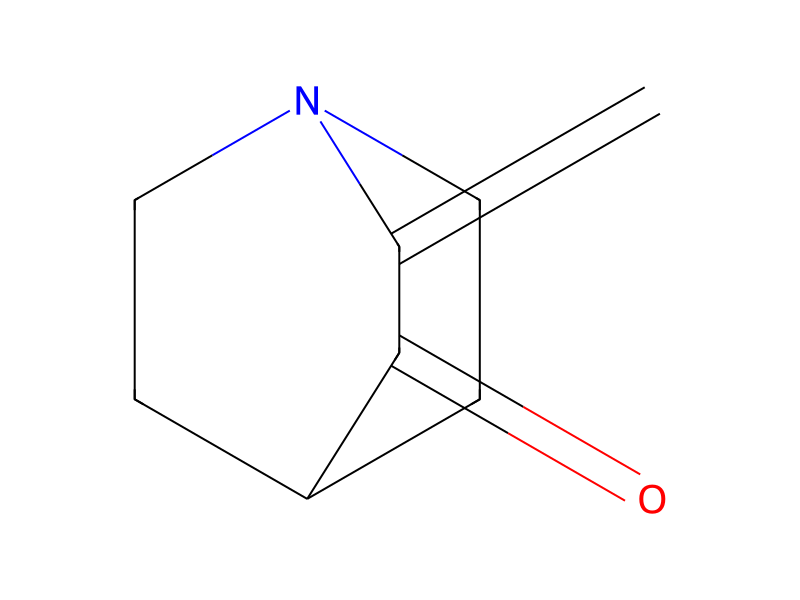
Reagents, catalysts & solvents 1

Procedure
Suspend 95.4 g (0.455 mole) 2-methylene-3-quinuclidinone dihydrate hydrochloride in a solution of 255 g (1.85 moles) anhydrous potassium carbonate dissolved in 350 ml H2O. When the suspension clears add 500 ml methylene chloride and mix the 2-phase system overnight using a mechanical stirrer. Separate the layers and dry the methylene chloride layer over potassium carbonate. Remove the solvents in vacuo to obtain the title compound. Repeat the extraction until most of the product is collected.
Workup
- additionmix the 2-phase system overnight
- customSeparate the layers
- dry with materialdry the methylene chloride layer over potassium carbonate
- customRemove the solvents in vacuo
Sources & evidence
- ORD record
- ord-8487bf1433834c318e8cfa3a4af4c32e
- Source dataset
- uspto-grants-1986_07
- Patent number
- US04599344
Linked notes
Loading…