Reaction equation

[Cl:1][C:2]1[CH:7]=[CH:6][C:5]([C:8](=[O:13])[CH2:9][C:10](=[O:12])[CH3:11])=[CH:4][CH:3]=1.[CH2:14]=[C:15]1[C:20](=[O:21])[CH:19]2[CH2:22][CH2:23][N:16]1[CH2:17][CH2:18]2.Cl>CC(C)=O>[ClH:1].[Cl:1][C:2]1[CH:3]=[CH:4][C:5]([C:8](=[O:13])[CH:9]([CH2:14][CH:15]2[C:20](=[O:21])[CH:19]3[CH2:22][CH2:23][N:16]2[CH2:17][CH2:18]3)[C:10](=[O:12])[CH3:11])=[CH:6][CH:7]=1Participants
5


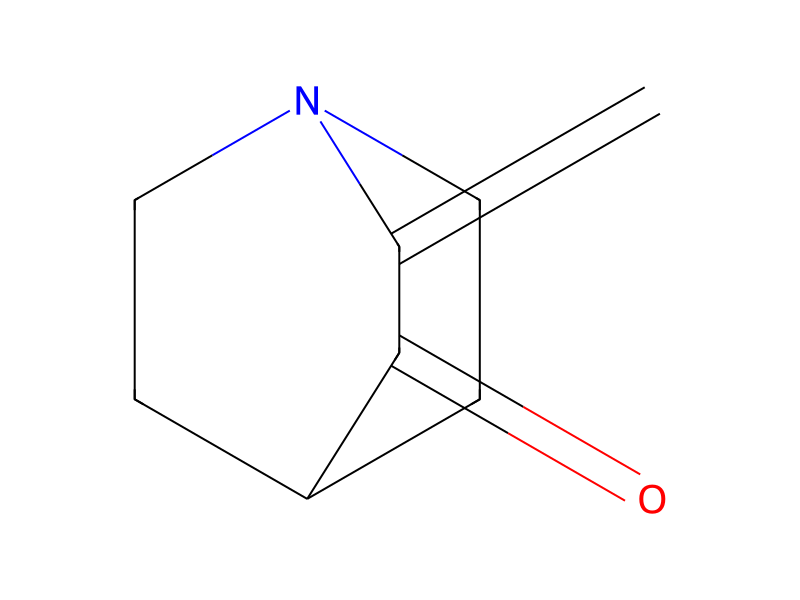


Procedure
To a solution of 93.10 g (0.47 mole) 1-(4-chlorophenyl)-1,3-butanedione in 500 ml acetone add 60.0 g (0.39 mole) 2-methylene-3-quinuclidinone. Stir the solution at reflux for about 24 hours. Follow the progress of the reaction by thin-layer chromatography on silica gel (EtOAc:MeOH, 9:1). At the completion of the reaction, chill the solution in an ice/water bath. Acidify dropwise with 35 ml concentrated hydrochloric acid to precipitate the product. Collect the precipitate by filtration to obtain the title compound as a mixture of diastereomers.
Workup
- temperatureat reflux for about 24 hours
- customthe progress of the reaction by thin-layer chromatography on silica gel (EtOAc:MeOH, 9:1)
- customAt the completion of the reaction
- temperaturechill the solution in an ice/water bath
- customto precipitate the product
- customCollect the precipitate
- filtrationby filtration
Sources & evidence
- ORD record
- ord-e708001b140e4ae7a59fe77869336848
- Source dataset
- uspto-grants-1986_07
- Patent number
- US04599344
Linked notes
Loading…