Reaction equation

[NH2:1][CH:2]([C:5]1[C:6](=[O:22])[NH:7][C:8]([C:11]2[C:20]3[C:15](=[CH:16][CH:17]=[CH:18][CH:19]=3)[C:14]([CH3:21])=[CH:13][CH:12]=2)=[N:9][N:10]=1)[CH2:3][CH3:4].[CH:23]1([C:28](Cl)=[O:29])[CH2:27][CH2:26][CH2:25][CH2:24]1>>[CH3:21][C:14]1[C:15]2[C:20](=[CH:19][CH:18]=[CH:17][CH:16]=2)[C:11]([C:8]2[NH:7][C:6](=[O:22])[C:5]([CH:2]([NH:1][C:28]([CH:23]3[CH2:27][CH2:26][CH2:25][CH2:24]3)=[O:29])[CH2:3][CH3:4])=[N:10][N:9]=2)=[CH:12][CH:13]=1Participants
3


Procedure
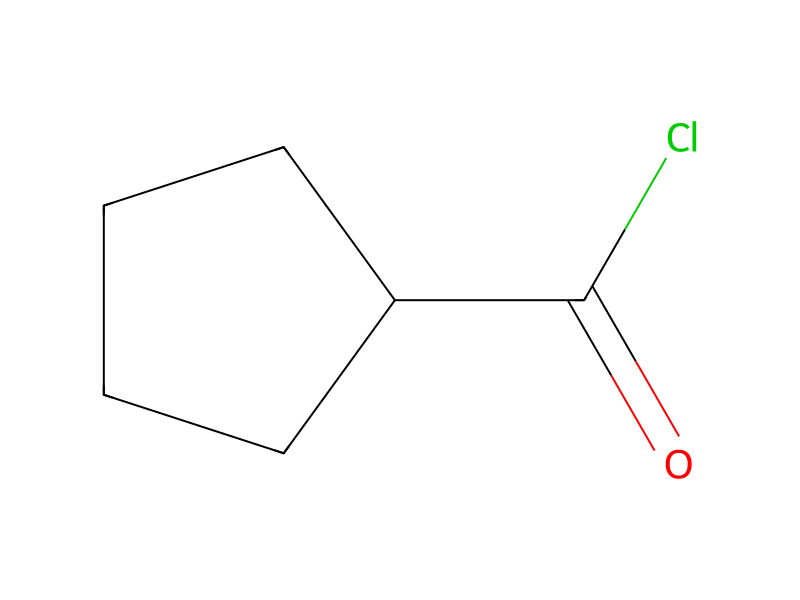
In analogy to the procedure for Example 36A, 600 mg (2.04 mmol) 6-(1-aminopropyl)-3-(4-methyl-1-naphthyl)-1,2,4-triazin-5(4H)-one, 270 mg (2.04 mmol) cyclopentanecarbonyl chloride and proportionate amounts of the other reagents are used. The crude product is used in the next step without further purification.
Workup
- customThe crude product is used in the next step without further purification
Sources & evidence
- ORD record
- ord-3515f6f04b2e4e65bb53076e6c2d4d2c
- Source dataset
- uspto-grants-2006_08
- Patent number
- US07087605B2
Linked notes
Loading…