Ethanol → 5-(1,3-Dioxo-1,3-dihydro-isoindol-2-ylmethyl)-2,3,3-trimethyl-3H-indolium perchlorate
Reaction equation

[CH3:1][C:2]1[C:10]([CH3:12])([CH3:11])[C:9]2[C:4](=[CH:5][CH:6]=[C:7]([CH2:13][N:14]3[C:22](=[O:23])[C:21]4[C:16](=[CH:17][CH:18]=[CH:19][CH:20]=4)[C:15]3=[O:24])[CH:8]=2)[N:3]=1.C(O)C.[Cl:28]([OH:32])(=[O:31])(=[O:30])=[O:29]>>[Cl:28]([O-:32])(=[O:31])(=[O:30])=[O:29].[O:24]=[C:15]1[C:16]2[C:21](=[CH:20][CH:19]=[CH:18][CH:17]=2)[C:22](=[O:23])[N:14]1[CH2:13][C:7]1[CH:8]=[C:9]2[C:4](=[CH:5][CH:6]=1)[NH+:3]=[C:2]([CH3:1])[C:10]2([CH3:12])[CH3:11]Participants
4

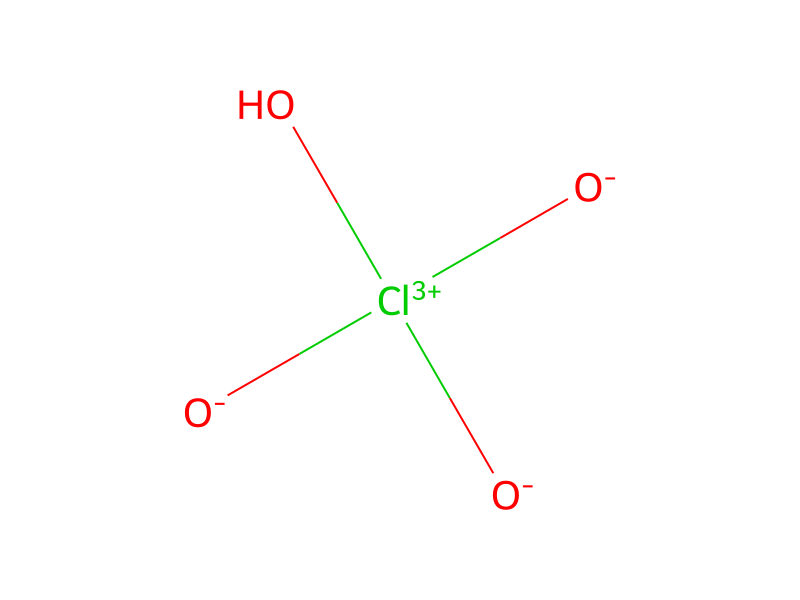


Conditions
- Temperature
- -10 °C
Procedure
2-(2,3,3-Trimethyl-3H-indol-5-ylmethyl)-isoindole-1,3-dione (126 g, 0.396 mol; Sigma-Aldrich) was placed in 1 L one-necked flask equipped with magnetic stir bar and a reflux condenser. 500 mL Ethanol (500 mL, 8 mol; Pharmco) were added to the flask followed by addition of perchloric acid (35 mL, 0.40 mol; Aldrich). The reaction mixture was stirred with heating under reflux until all solids dissolved. The solution was then cooled at −10° C. for 3 hours and the separated crystals were filtered, washed with cold ethanol (100 mL), diethyl ether (2*100 mL) and dried. The yield was 166 g (100% of theoretical).