Reaction equation

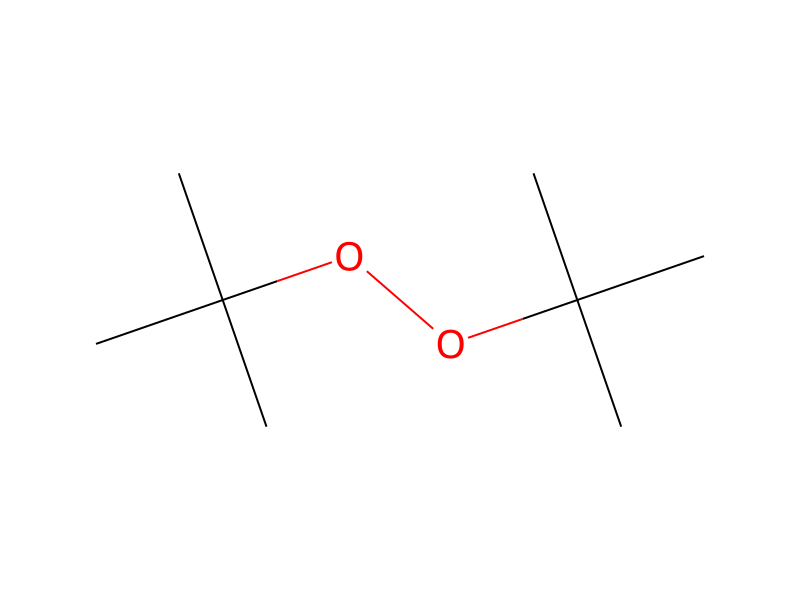
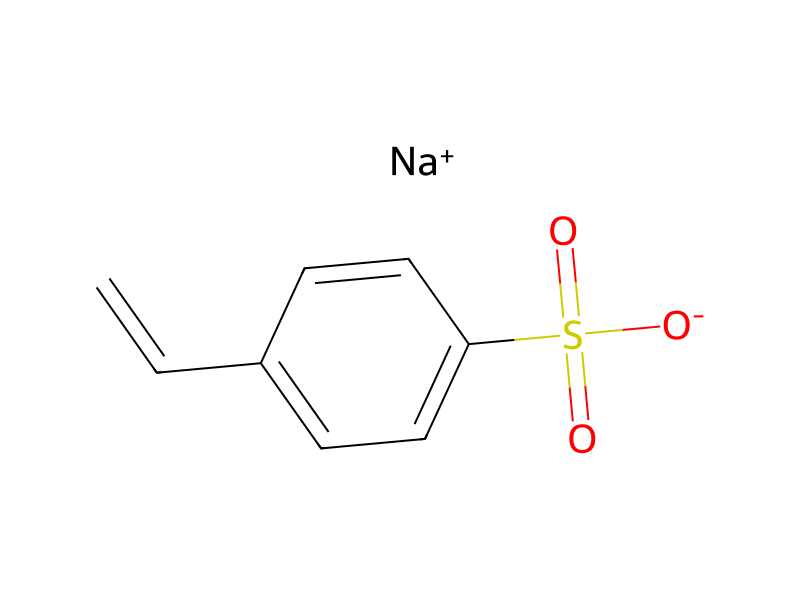
[C:1](#[N:4])[CH:2]=[CH2:3].[CH2:5]=[C:6]1[CH2:11][CH2:10][O:9][C:7]1=[O:8].[CH2:12]=[CH:13][C:14]1[CH:19]=[CH:18][C:17]([S:20]([O-:23])(=[O:22])=[O:21])=[CH:16][CH:15]=1.[Na+].O.C(OOC(C)(C)C)(C)(C)C>>[CH2:5]=[C:6]1[CH2:11][CH2:10][O:9][C:7]1=[O:8].[C:1](#[N:4])[CH:2]=[CH2:3].[CH2:12]=[CH:13][C:14]1[CH:15]=[CH:16][C:17]([S:20]([O-:23])(=[O:22])=[O:21])=[CH:18][CH:19]=1Participants
6




Conditions
- Temperature
- 160 °C
Procedure
To a high-pressure stainless steel reactor with overhead stirring is added 7.82 g (0.147 mol) of acrylonitrile, 7.82 g (7.97×10⁻² mol) of α-methylene-γ-butyrolactone, 0.50 g (2.42×10⁻³ mol) of sodium p-styrene sulfonate and 36.88 g (2.05 mol) of water. The reactor is purged with nitrogen and 0.78 g (5.33×10⁻³ mol) di-tert-butyl peroxide is added to the reaction mixture before the reactor is tightly closed and heated to 160° C. After 10 minutes at 160° C., the polymerization is allowed to cool to room temperature before drying the polymer under vacuum at elevated temperature for isolation.
Workup
- additionis added to the reaction mixture before the reactor
- customis tightly closed
- temperatureto cool to room temperature
- custombefore drying the polymer under vacuum at elevated temperature for isolation
Sources & evidence
- ORD record
- ord-3ce3c6904c8c4ded9cf8fea90d96f1ec
- Source dataset
- uspto-grants-2014_09
- Patent number
- US08846817B2
Linked notes
Loading…