Reaction equation

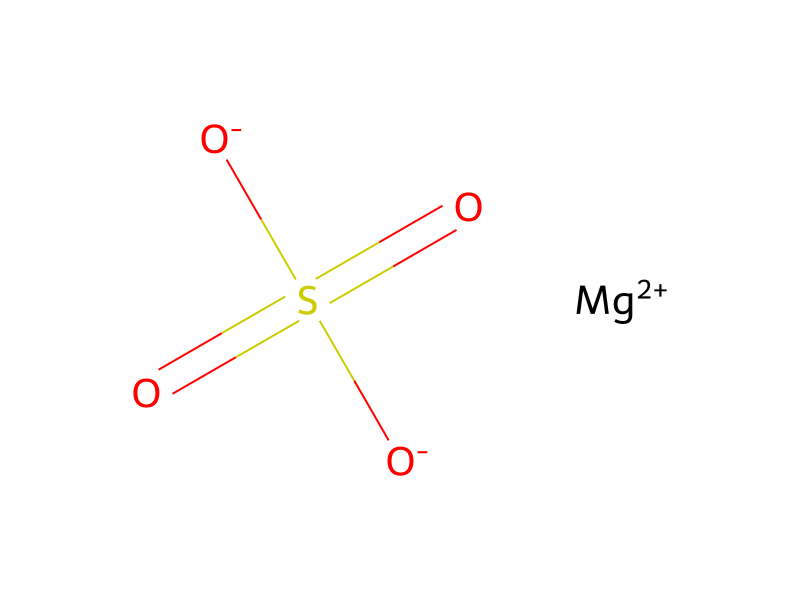
[F:1][C:2]1[C:7]([F:8])=[C:6]([F:9])[CH:5]=[CH:4][C:3]=1[N+:10]([O-])=O.[C:13]([O:18][CH3:19])(=[O:17])[C:14]([CH3:16])=O.S([O-])([O-])(=O)=O.[Mg+2].[H][H]>CO.[Pd]>[F:1][C:2]1[C:7]([F:8])=[C:6]([F:9])[CH:5]=[CH:4][C:3]=1[NH:10][CH:14]([CH3:16])[C:13]([O:18][CH3:19])=[O:17]Participants
Reactant 4



Product 1

Reagents, catalysts & solvents 2


Procedure
2,3, 4-Trifluoronitrobenzene (100 g) and methyl pyruvate (57.6 g) were dissolved in methanol (1000 ml). After adding 5% Pd—C (20.0 g) and anhydrous magnesium sulfate (90 g), the mixture was stirred at room temperature in a hydrogen atmosphere for 16 hours. Then the liquid reaction mixture was filtered through celite to thereby eliminate Pd—C and magnesium sulfate. The obtained filtrate was concentrated under reduced pressure and Florisil (100 g) and diethyl ether (700 ml) were added to the residue. After stirring for 2 hours, the liquid reaction mixture was filtered. The obtained organic layer was evaporated and the crystals thus precipitated were filtered while washing with hexane. Thus the title compound (128.2 g) was obtained as slightly yellowish crystals.
Workup
- customThen the liquid reaction mixture
- filtrationwas filtered through celite
- concentrationThe obtained filtrate was concentrated under reduced pressure and Florisil (100 g) and diethyl ether (700 ml)
- additionwere added to the residue
- customthe liquid reaction mixture
- filtrationwas filtered
- customThe obtained organic layer was evaporated
- customthe crystals thus precipitated
- filtrationwere filtered
- washwhile washing with hexane
Sources & evidence
- ORD record
- ord-df2cd1af74594089ac13ed08c39f07ae
- Source dataset
- uspto-grants-2006_08
- Patent number
- US07087778B2
Linked notes
Loading…