Reaction equation

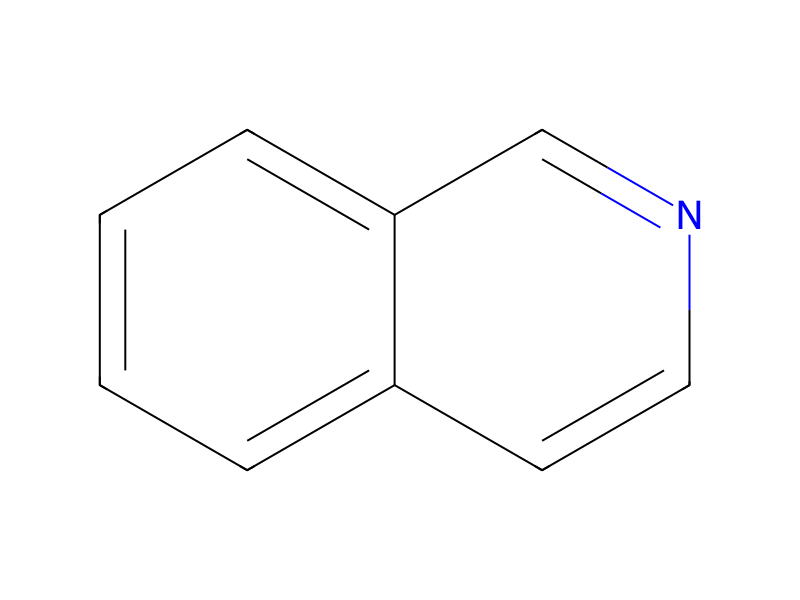
ClCC(C)(C1C=CC=CC=1)C.[CH3:12][CH:13]1[C:22]2[C:17](=[CH:18][CH:19]=[CH:20][CH:21]=2)[C:16]([CH3:24])([CH3:23])[CH2:15][NH:14]1.C1C2C(=CC=CC=2)C=CN=1.[Cl:35][CH:36]([Cl:40])[C:37](Cl)=[O:38].[OH-].[Na+]>C(Cl)Cl.C(#N)C>[Cl:35][CH:36]([Cl:40])[C:37]([N:14]1[CH2:15][C:16]([CH3:23])([CH3:24])[C:17]2[C:22](=[CH:21][CH:20]=[CH:19][CH:18]=2)[CH:13]1[CH3:12])=[O:38]Participants
8
Reactant 5




Product 1

Reagents, catalysts & solvents 2


Procedure
By procedures described in Example 1 (Method B), 1-chloro-2-methyl-2-phenyl-propane and acetonitrile were converted to 1-methyl-4,4-dimethyl-1,2,3,4-tetrahydroisoquinoline. A reaction vessel was charged with 4.0 g of this isoquinoline compound and 50 ml methylene chloride. With this mixture stirred, 2 ml dichloroacetyl chloride was added dropwise to the mixture. The mixture was stirred for 20 minutes and then made alkaline with aqueous sodium hydroxide. The organic extract was dried with magnesium sulfate and stripped of solvent. The residue was recrystallized from ethanol to provide 4.2 g of a white cubic-crystal product having the elemental analysis reported in Table I.
Workup
- stirringThe mixture was stirred for 20 minutes
- extractionThe organic extract
- dry with materialwas dried with magnesium sulfate
- customThe residue was recrystallized from ethanol
Sources & evidence
- ORD record
- ord-3dd54f69b57a40fb9d1c7e7449ac6457
- Source dataset
- uspto-grants-1988_07
- Patent number
- US04755218
Linked notes
Loading…