Reaction equation

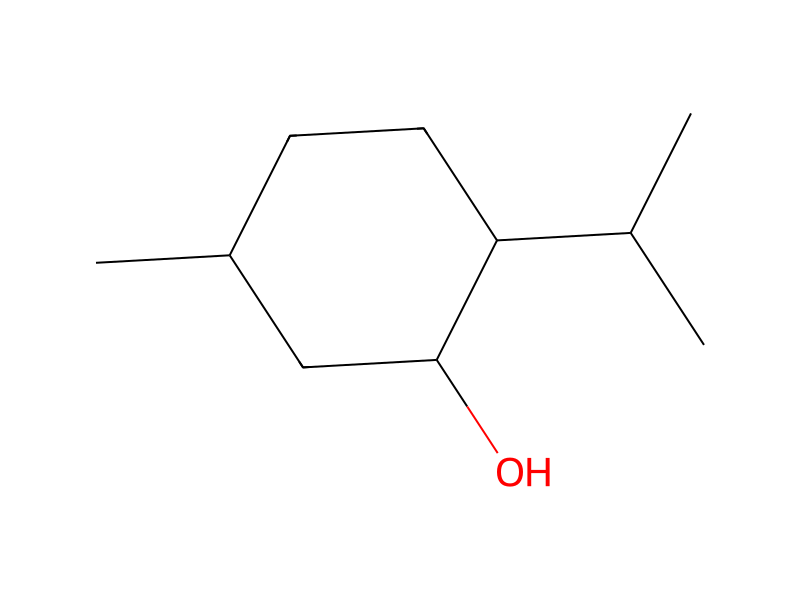
[CH:1]1([CH3:11])[CH2:6][CH2:5][CH:4]([CH:7]([CH3:9])[CH3:8])[CH:3]([OH:10])[CH2:2]1.[O:12]1[CH:17]=[CH:16][CH2:15][CH2:14][CH:13]1[CH:18]=[O:19]>>[CH:1]1([CH3:11])[CH2:6][CH2:5][CH:4]([CH:7]([CH3:8])[CH3:9])[CH:3]([O:10][CH:17]2[O:12][CH:13]([CH:18]=[O:19])[CH2:14][CH2:15][CH2:16]2)[CH2:2]1Participants
3
Reactant 2

Product 1

Procedure
Menthol may be condensed with compound 16, 3,4-dihydro-2H-pyran-2-carboxaldeyde in the presence of acid to provide compound 17, 6-menthyloxy-tetrahydro-2H-pyran-2-carboxaldehyde. A Lewis acid or a protic acid may be employed, with protic acids being preferred. Aldehyde 17 may be reduced to an alcohol 19, 6-menthyloxy-tetrahydro-2H-pyran-2-methanol, by catalytic hydrogeneration for example, over Raney nickel or a nobel metal catalyst. Compound 17 may alternatively be reduced to compound 19 using a hydride reducing agent, such as sodium borohydride or lithium aluminum hydride.
Sources & evidence
- ORD record
- ord-d16eabea56ae4ad9a4504e0886e543ae
- Source dataset
- uspto-grants-1992_08
- Patent number
- US05137579
Linked notes
Loading…