Reaction equation

[OH:1][C:2]1[CH:7]=[CH:6][C:5]([CH2:8]O)=[CH:4][CH:3]=1.[CH3:10][O:11][C:12]1[CH:17]=[CH:16][CH:15]=[CH:14][C:13]=1[N:18]1[CH2:23][CH2:22][NH:21][CH2:20][CH2:19]1.[Br-].[Li+].[OH-].[K+]>C1(C)C=CC=CC=1>[CH3:10][O:11][C:12]1[CH:17]=[CH:16][CH:15]=[CH:14][C:13]=1[N:18]1[CH2:23][CH2:22][N:21]([CH2:8][C:5]2[CH:4]=[CH:3][C:2]([OH:1])=[CH:7][CH:6]=2)[CH2:20][CH2:19]1Participants





Procedure
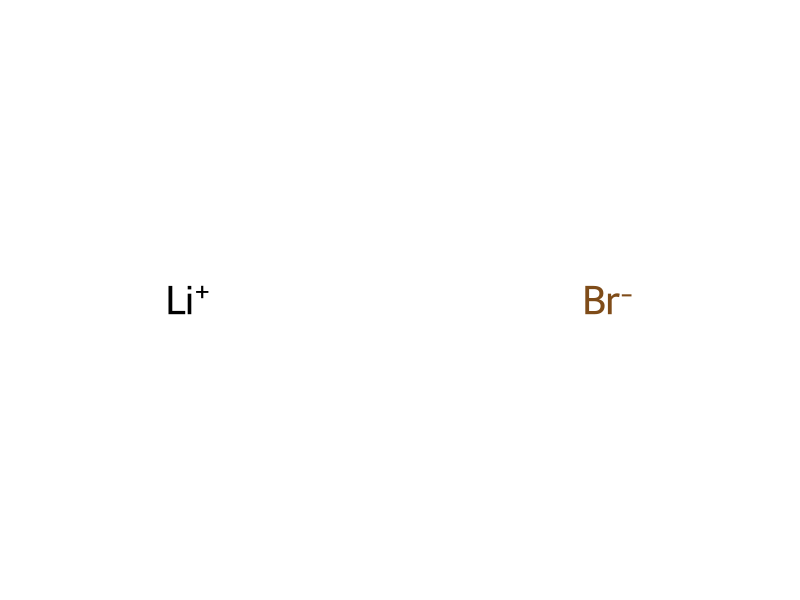
One mole of 4-hydroxyphenyl methanol (124 g) and 192 g (2 moles) of 1-(2-methoxyphenyl)piperazine were dissolved in 1.5 liters of toluene. One mole (87 g) of lithium bromide and 0.1 mole (5.6 g) of potassium hydroxide were added portionwise, under stirring, and the reaction medium was heated to reflux for 5 hours. The reaction mixture was then allowed to cool to room temperature, and extracted twice with 500 ml of a 1N sodium hydroxide. The basic aqueous liquor was washed with 300 ml of toluene and then acidified to pH 7 with acetic acid to provoke precipitation of the desired product. The precipitate thus obtained was filtered off and then recrystallized from isopropanol, giving 238.4 g (0.80 mole, 80% yield) of the title product, melting at 172° C.
Workup
- temperaturethe reaction medium was heated
- temperatureto reflux for 5 hours
- extractionextracted twice with 500 ml of a 1N sodium hydroxide
- washThe basic aqueous liquor was washed with 300 ml of toluene
- customprecipitation of the desired product
- customThe precipitate thus obtained
- filtrationwas filtered off
- customrecrystallized from isopropanol
Sources & evidence
- ORD record
- ord-2542dc2b32b146868b33d1740dd7134d
- Source dataset
- uspto-grants-1992_08
- Patent number
- US05142052
Linked notes
Loading…