Reaction equation

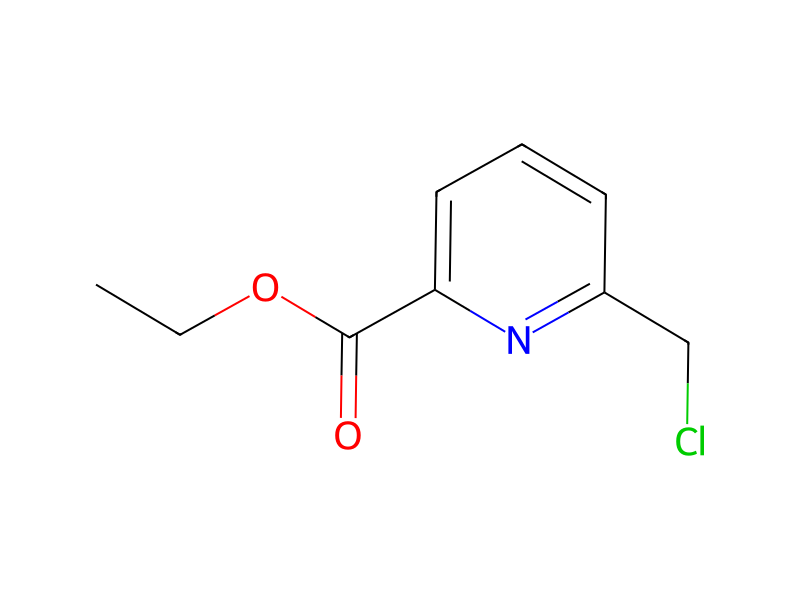
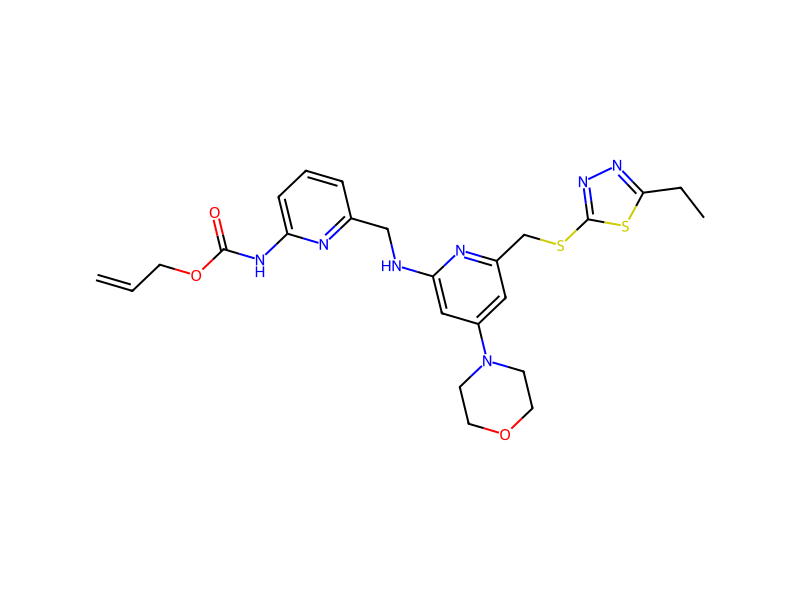
[CH2:1]([C:3]1[S:7][C:6]([S:8][CH:9]([C:11]2[N:16]=[C:15]([NH:17][CH2:18][C:19]3[CH:24]=[CH:23][CH:22]=[C:21]([NH:25][C:26]([O:28][CH2:29][CH:30]=[CH2:31])=[O:27])C=3)[CH:14]=[C:13]([N:32]3[CH2:37][CH2:36][O:35][CH2:34][CH2:33]3)[CH:12]=2)C)=[N:5][N:4]=1)[CH3:2].C(Br)C1C=CC=CC=1.ClCC1[N:53]=C(C(OCC)=O)C=CC=1>>[CH2:1]([C:3]1[S:7][C:6]([S:8][CH2:9][C:11]2[N:16]=[C:15]([NH:17][CH2:18][C:19]3[CH:24]=[CH:23][CH:22]=[C:21]([NH:25][C:26]([O:28][CH2:29][CH:30]=[CH2:31])=[O:27])[N:53]=3)[CH:14]=[C:13]([N:32]3[CH2:33][CH2:34][O:35][CH2:36][CH2:37]3)[CH:12]=2)=[N:5][N:4]=1)[CH3:2]Participants
4
Reactant 3


Product 1
Procedure
The above identified compound was obtained as a pale yellow solid in the same manner as in Example 1-(6), Example 4-(2) and (3) and Example 1-(7) except that benzyl bromide was changed to ethyl 6-chloromethylpyridine-2-carboxylate.
Sources & evidence
- ORD record
- ord-882efe6d3d154f0697354f081212610a
- Source dataset
- uspto-grants-2000_01
- Patent number
- US06011039
Linked notes
Loading…