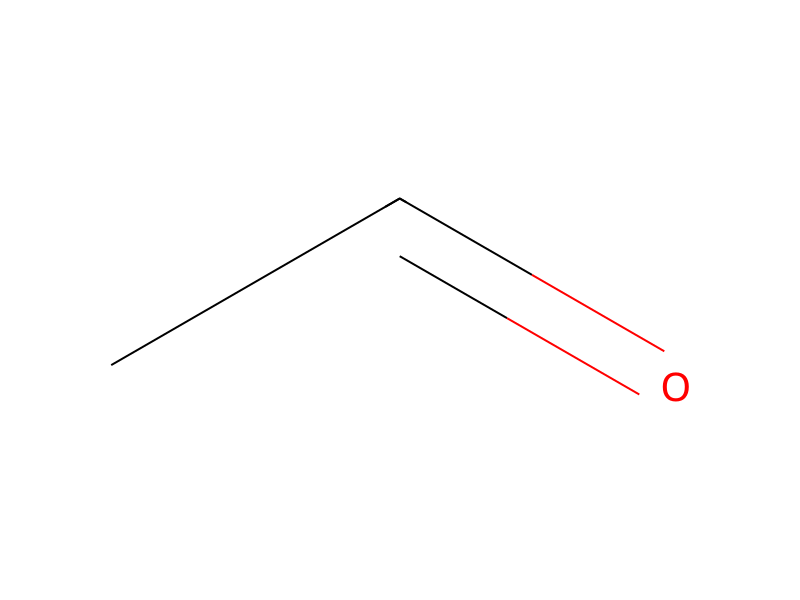
Acetaldehyde → 3-Diethylaminopyrazolo[1,5-a]pyridine
Reaction equation

[NH2:1][C:2]1[CH:3]=[N:4][N:5]2[CH:10]=[CH:9][CH:8]=[CH:7][C:6]=12.[CH:11](=O)[CH3:12].[BH3-]C#N.[Na+].[C:18](#N)[CH3:19]>>[CH2:18]([N:1]([CH2:11][CH3:12])[C:2]1[CH:3]=[N:4][N:5]2[CH:10]=[CH:9][CH:8]=[CH:7][C:6]=12)[CH3:19]Participants
5




Procedure
A solution of 3-aminopyrazolo[1,5-a]pyridine (0.74 g, 5.55 mmol) in acetonitrile (15.0 mL) was treated with acetaldehyde (6.2 mL, 4.89 g, 111 mmol) and NaCNBH3 (0.84 g, 13.3 mmol) and stirred at room temperature for 3 days. The reaction was concentrated in vacuo and the residue partitioned between ethyl acetate and saturated NaHCO3 solution. The layers were separated and the aqueous layer was extracted with ethyl acetate (2×). The organic layers were combined, washed with brine, dried over MgSO4 and concentrated in vacuo to dryness. The residue was subjected to column chromatography (15% ethyl acetate/hexane) to give 0.61 g (58%) of a yellow oil as the title compound: MS (EI) m/z 190 (M++H).
Workup
- concentrationThe reaction was concentrated in vacuo
- customthe residue partitioned between ethyl acetate and saturated NaHCO3 solution
- customThe layers were separated
- extractionthe aqueous layer was extracted with ethyl acetate (2×)
- washwashed with brine
- dry with materialdried over MgSO4
- concentrationconcentrated in vacuo to dryness
Sources & evidence
- ORD record
- ord-3c34ae03cc5f4b118e79cf6d7ffce70d
- Source dataset
- uspto-grants-2006_12
- Patent number
- US07151109B2
Reaction notes
Loading…