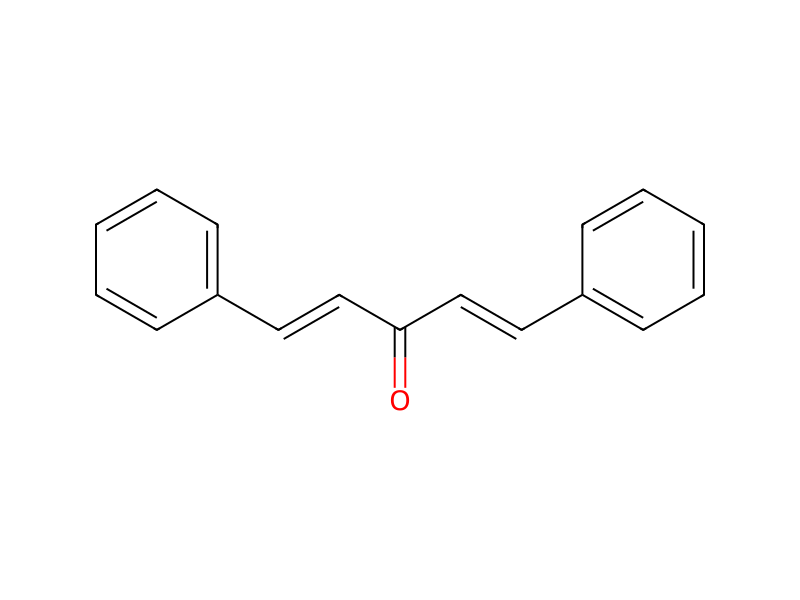
N1C2C(=CC=C3C=2N=CC=C3)C=CC=1.C(=CC(C=CC1C=CC=CC=1)=O)C1C=CC=CC=1.C(=O)([O-])[O-].[Cs+].[Cs+].[CH3:39][C:40]1[CH:45]=[C:44]([C:46]#[C:47][C:48]2[N:49]=[C:50]([CH3:53])[NH:51][CH:52]=2)[CH:43]=[CH:42][N:41]=1.I[C:55]1[CH:60]=[CH:59][N:58]=[C:57]([O:61][CH3:62])[CH:56]=1>CC1C=CC=CC=1C>[CH3:62][O:61][C:57]1[CH:56]=[C:55]([N:51]2[CH:52]=[C:48]([C:47]#[C:46][C:44]3[CH:43]=[CH:42][N:41]=[C:40]([CH3:39])[CH:45]=3)[N:49]=[C:50]2[CH3:53])[CH:60]=[CH:59][N:58]=1Following the Buchwald-protocol [Buchwald et al., Tetrahedron Lett. 40:2657 (1999)], a rigorously dried Schlenk tube was filled with argon and charged with copper(I) trifluoromethanesulfonate benzene complex (101 mg, 0.2 mmol), phenanthroline (720 mg, 4.0 mmol), dibenzylideneacetone (47 mg, 0.2 mmol) and cesium carbonate (2.86 g, 8.8 mmol). 2-Methyl-4-(2-methyl-1H-imidazol-4-ylethynyl)-pyridine (II-1) (1.18 g, 6.0 mmol), o-xylene (1.6 ml) and 4-iodo-2-methoxypyridine x HCl (1.1 g, 4.0 mmol) [Talik and Plazek, Rocz. Chem. 33:1343 (1959)] was added. The mixture was stirred at 110° C. for 24 hr, cooled to RT and partitioned between CH2Cl2 and saturated aqueous NH4Cl solution. The organic phase was concentrated and purified by chromatography on silica gel (dichloromethane/methanol 100:0→97:3 gradient). The title compound was obtained as a tan semisolid material (44 mg, 4%). The free base was converted to the HCL salt. mp=145–147° C. (MeOH/Et2O), MS: m/e=305.0 (M+H+).