3-(4-Benzyloxyphenyl)acrylonitrile → 3-(4-Benzyloxyphenyl)propionitrile
HRID 863418
Reaction equation

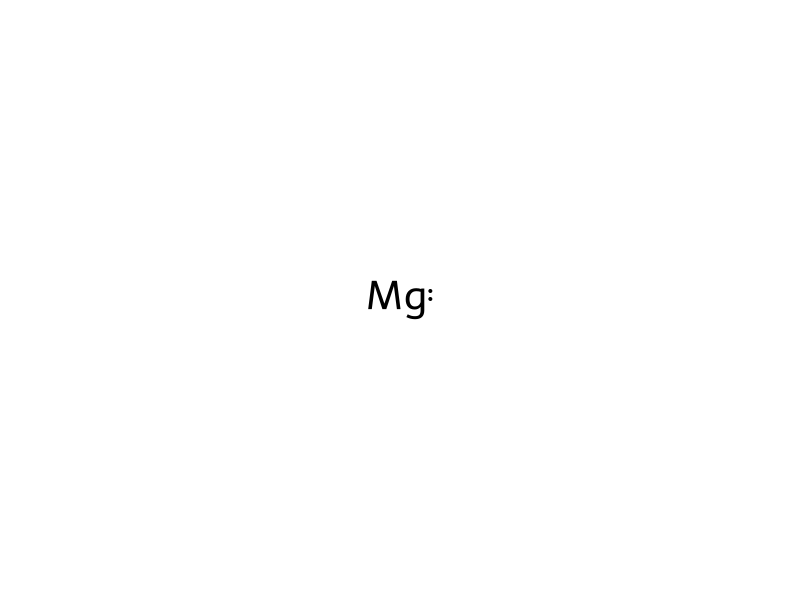
[Mg].[CH2:2]([O:9][C:10]1[CH:15]=[CH:14][C:13]([CH:16]=[CH:17][C:18]#[N:19])=[CH:12][CH:11]=1)[C:3]1[CH:8]=[CH:7][CH:6]=[CH:5][CH:4]=1>CO>[CH2:2]([O:9][C:10]1[CH:11]=[CH:12][C:13]([CH2:16][CH2:17][C:18]#[N:19])=[CH:14][CH:15]=1)[C:3]1[CH:4]=[CH:5][CH:6]=[CH:7][CH:8]=1Participants
4
Reactant 2

Product 1

Reagents, catalysts & solvents 1

Conditions
- Temperature
- 0 °C
Procedure
Magnesium turnings (28 g) are added to a solution of 3-(4-benzyloxyphenyl)-acrylonitrile (17.0 g, 72.3 mmol) in dry MeOH (800 mL). As soon as moderate H2 evolution is observed, the flask is immersed in an efficient ice/water cooling bath until the initially vigorous reaction subsides after about 45 minutes. Additional Mg (10 g) is added, and the reaction mixture is stirred for 4 hours with intermittent cooling during which time most of the Mg metal is consumed. The mixture is evaporated to a thick paste, which is then cooled to 0° C. and treated slowly with enough cold 6 N HCl to dissolve the magnesium salts. The turbid solution is extracted with CHCl3, and the organic layer is washed with 0.1 N NaOH and H2O, dried over Na2SO4, and evaporated to give white waxy solid residue that is recrystallized from EtOH/H2O (2:1) to give 3-(4-benzyloxyphenyl)-propionitrile.