HomeMCPWorkbenchSkills
HomeWorkbenchNotificationsMe
llms.txt · MCP GuidePrivacy Policy · Terms of Service · Supportv1.8.3
  1. Home
  2. /Reaction

Ethylene → HCID 178476818, compound

HRID 875275
Print

Reaction equation

HRID 875275 reaction equation
C[P:2]([OH:11])([CH2:4][CH2:5][C@H:6](N)C(O)=O)=[O:3].P(Cl)(Cl)Cl.[Cl-:16].[Cl-].[Cl-].[Cl-].[Al+3].[CH2:21]=[CH2:22]>C(O)C>[Cl:16][CH2:6][CH2:5][CH2:4][PH:2](=[O:3])[O:11][CH2:21][CH3:22]
ParticipantsProcedureWorkupSources & evidenceReaction notes

Participants

6

Reactant 4

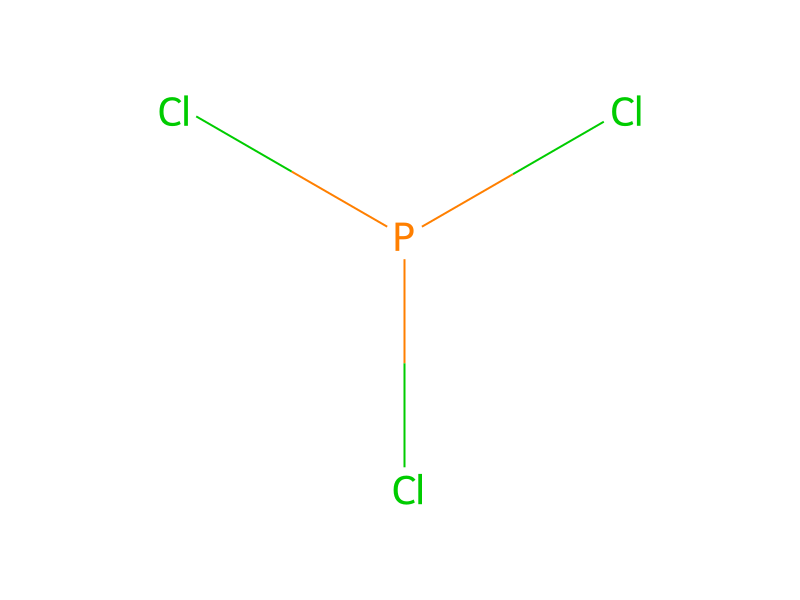
HCID 6325EthyleneHCID 24387Phosphorus trichlorideHCID 91619PhosphinothricinHCID 25114082Aluminum tetrachloride

Product 1

HCID 178476818HCID 178476818, compound

Reagents, catalysts & solvents 1

HCID 702EthanolSolvent

Procedure

Another process of producing phosphinothricin generally comprises converting phosphorus trichloride to an adduct of methylphosphonous trichloride and aluminum tetrachloride (i.e., CH3PCl3.AlCl4). The adduct is reacted with ethylene to form an intermediate adduct, which is then reacted with ethanol to form ethyl 1-(2-chloroethyl)-methylphosphinate. This compound is reacted with potassium hydroxide and ethanol to prepare an ethyl vinylphosphinate precursor. The ethyl vinylphosphinate precursor is subjected to hydroformylation-aminocarbonylation, followed by hydrolysis of the hydroformylation-aminocarbonylation product in the presence of hydrochloric acid to produce phosphinothricin.

Workup

  1. customto form an intermediate adduct, which

Sources & evidence

ORD record
ord-402523d6d8d74830b45d44bbad92c16d
Source dataset
uspto-grants-2015_03
DOI
10.6084/m9.figshare.5104873.v1
Patent number
US08981142B2

Reaction notes

On this pageParticipantsProcedureWorkupSources & evidenceReaction notes