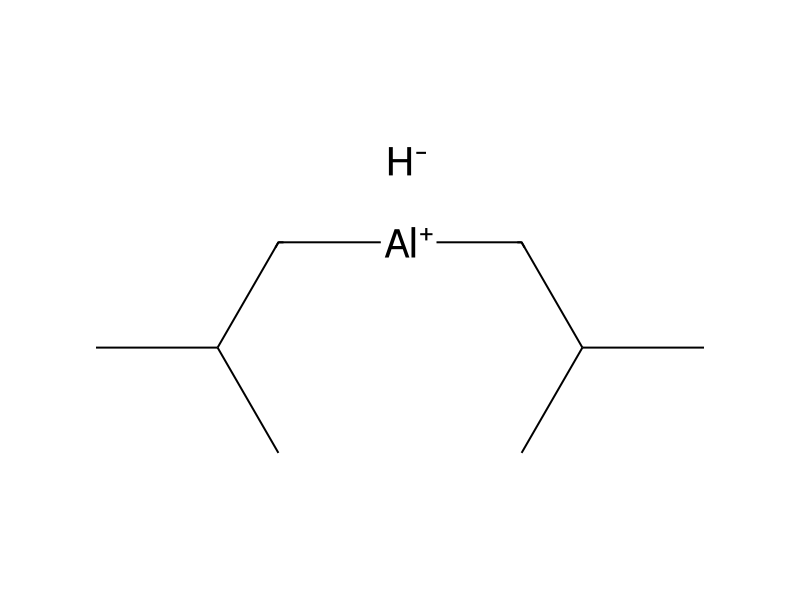
[H-].C([Al+]CC(C)C)C(C)C.[F:11][C:12]1[CH:17]=[CH:16][C:15]([C:18]2[C:23]([C:24](OC)=[O:25])=[C:22]([CH:28]([CH3:30])[CH3:29])[N:21]=[C:20]3[NH:31][CH:32]=[CH:33][C:19]=23)=[CH:14][CH:13]=1.O.C(OCC)(=O)C>C1(C)C=CC=CC=1>[F:11][C:12]1[CH:17]=[CH:16][C:15]([C:18]2[C:23]([CH2:24][OH:25])=[C:22]([CH:28]([CH3:30])[CH3:29])[N:21]=[C:20]3[NH:31][CH:32]=[CH:33][C:19]=23)=[CH:14][CH:13]=1100 ml of a 1.5 M solution of diisobutylaluminum hydride in toluene are added slowly at -78° C. under argon to a suspension of 15.6 g (50 mmol) of the compound from Example VI in 700 ml of toluene, which leads to a clear solution. After 1 h, 40 ml of 1.5 M diisobutylaluminum hydride solution are added at the same temperature and the mixture is stirred for a further hour. It is warmed to 0°-5° C. using a water bath and stirred at this temperature for 1 h. 150 ml of water and 100 ml of ethyl acetate are cautiously added, and the mixture is stirred at room temperature for 1 h and filtered off with suction using kieselguhr. The phases are separated, the aqueous phase is extracted with ethyl acetate and the combined organic phases are washed with saturated sodium chloride solution. The solution is dried over sodium sulphate, concentrated to dryness in vacuo and the residue which remains is thoroughly stirred in dichloromethane.