Reaction equation

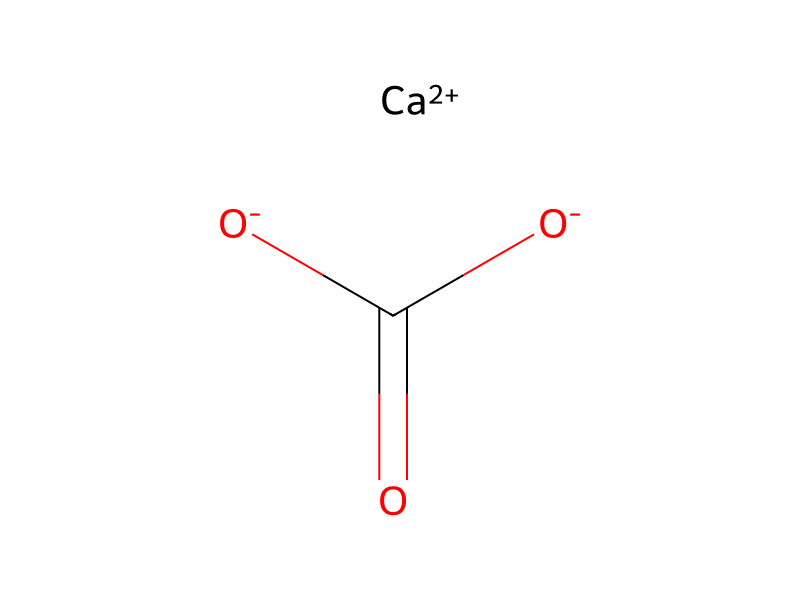
[Cl:1][C:2]([Cl:8])=[CH:3][CH:4]=[C:5]([CH3:7])[CH3:6].Br[CH:10]([C:16]#[N:17])[C:11]([O:13][CH2:14][CH3:15])=[O:12].C(=O)([O-])[O-].[Ca+2].[Cl-].[Ca+2].[Cl-]>C(O)C>[C:16]([C:10]1([C:11]([O:13][CH2:14][CH3:15])=[O:12])[CH:4]([CH:3]=[C:2]([Cl:8])[Cl:1])[C:5]1([CH3:7])[CH3:6])#[N:17]Participants
Reactant 4



Product 1

Reagents, catalysts & solvents 1

Procedure
A mixture of 1,1-dichloro-4-methylpenta-1,3-diene (30.2 parts), ethyl bromocyanoacetate (38.4 parts), calcium carbonate (20 parts), cuprous chloride (0.2 part) and calcium chloride (22.2 parts) in ethanol (100 parts by volume) is heated to reflux temperature and held at 78°-84° C. for 6 hours. The ethanol is distilled off under reduced pressure and the residue is stirred with a mixture of toluene (100 parts by volume), water (150 parts) and concentrated hydrochloric acid (100 parts by volume). The mixture is filtered from extraneous matter, the residue is washed with toluene and the filtrate and washings are combined. The toluene layer is separated and washed with water. The crude ethyl 1-cyano-3-(2',2'-dichlorovinyl)-2,2-dimethylcyclopropane-1-carboxylate is isolated by removal of the toluene under reduced pressure. The product has a strength of 74.6% and a cis-cyano/trans-cyano ratio of 86.1:13.9. The yield is 68.7%.
Workup
- temperatureis heated
- temperatureto reflux temperature
- distillationThe ethanol is distilled off under reduced pressure
- filtrationThe mixture is filtered from extraneous matter
- washthe residue is washed with toluene
- customThe toluene layer is separated
- washwashed with water
Sources & evidence
- ORD record
- ord-f5721360419e4462b9bd8bf1b6deff92
- Source dataset
- uspto-grants-1981_08
- Patent number
- US04284582
Linked notes
Loading…