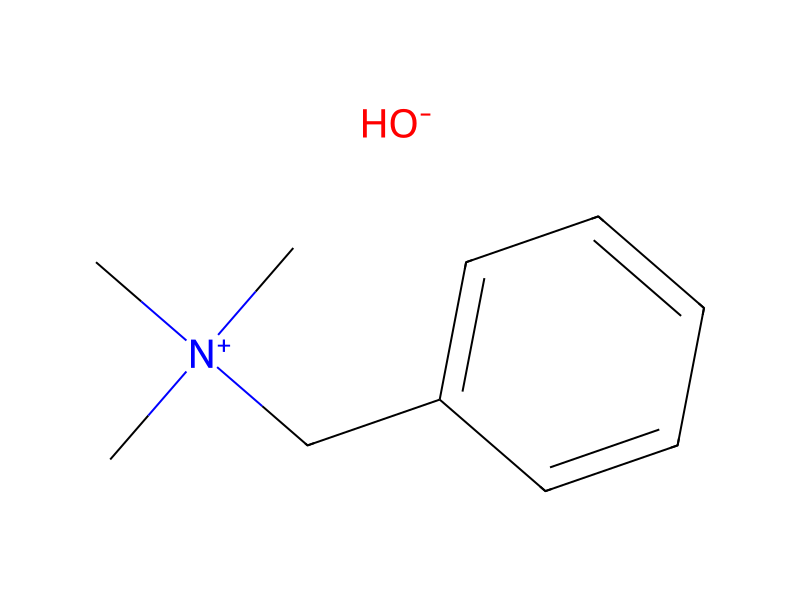
Benzyltrimethylammonium hydroxide (1.5 mL of a 40% weight aqueous solution, 1.2%) was added to a solution of 3,4-dichlorophenol (20.0 g, 123 mmol), dimethyl acetylenedicarboxylate (16.6 mL, 135 mmol), and dioxane (230 mL) The dark, homogeneous mixture was heated at 90° C. for 1.5 h before the solution was cooled to ambient temperature, combined with 20% aqueous NaOH (100 mL), and warmed to 90° C. After an hour, the mixture was cooled to ambient temperature and combined with 2N aqueous HCl until the pH of the solution was neutral. White sediment was removed by filtration. The filtrate was combined with 2N aqueous HCl until acidic (pH=2). The resulting precipitate was collected by filtration, washed with copious water, and air-dried to provide the product (18.0 g, 53%) as a yellow solid. MS (APCI) m/z 275 [M−H]+; 1H NMR (300 MHz, DMSO-D6) δ ppm 6.64 (s, 1H) 6.95 (dd, J=8.82, 2.71 Hz, 1H) 7.25 (d, J=3.05 Hz, 1H) 7.57 (d, J=8.82 Hz, 1H).