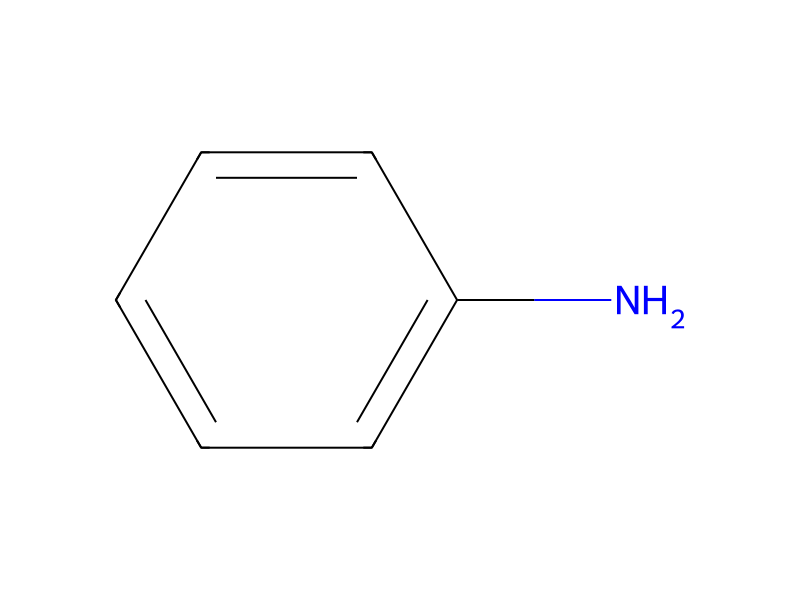
A solution of 6-bromo-2,3,4,9-tetrahydro-1H-carbazol-1-one (500 mg, 1.9 mmol), aniline (350 mg, 3.8 mmol) and p-toluenesulfonic acid (catalytic) in toluene (15 mL) was heated at reflux for 16 h with a Dean-Stark trap in place. The reaction was cooled, concentrated, and the imine was purified by flash column chromatography on silica (gradient of 5% to 50% ethyl acetate/hexanes). The imine was dissolved in methanol (10 mL) and sodium borohydride (140 mg, 3.8 mmol) was added portionwise. The reaction was stirred for 30 min and quenched with water, concentrated, and diluted with ethyl actetate. The organic phase was separated, absorbed onto diatomaceous earth and purified by flash column chromatography on silica (gradient of 2% to 20% ethyl acetate/hexanes) to provide 6-bromo-N-phenyl-2,3,4,9-tetrahydro-1H-carbazol-1-amine as a brown oil. 1H-NMR (DMSO-d6): δ 8.04 (s, 1H), 7.61 (s, 1H), 7.25-7.21 (m, 4H), 6.80-6.72 (m, 3H), 4.84-4.78 (m, 1H), 3.86-3.82 (m, 1H), 2.27-2.21 (m, 2H), 2.08-2.00 (m, 1H), 1.89-1.78 (m, 3H). The oil was dissolved in diethyl ether and HCl (1.0 M in diethyl ether) was added. The resulting precipitate was collected by filtration to provide 6-bromo-N-phenyl-2,3,4,9-tetrahydro-1H-carbazol-1-amine hydrochloride (352 mg, 51%) as a yellow solid. 1H-NMR (DMSO-d6): δ 11.12 (s, 1H), 7.58 (s, 1H), 7.26 (d, 1H), 7.15-7.13 (m, 3H), 6.88-6.78 (m, 2H), 6.72-6.64 (m, 1H), 4.82-4.79 (m, 1H), 2.69-2.45 (m, 2H), 1.96-1.90 (m, 2H), 1.83-1.73 (m, 2H); MS m/z (M−1) 339, 341.