Reaction equation

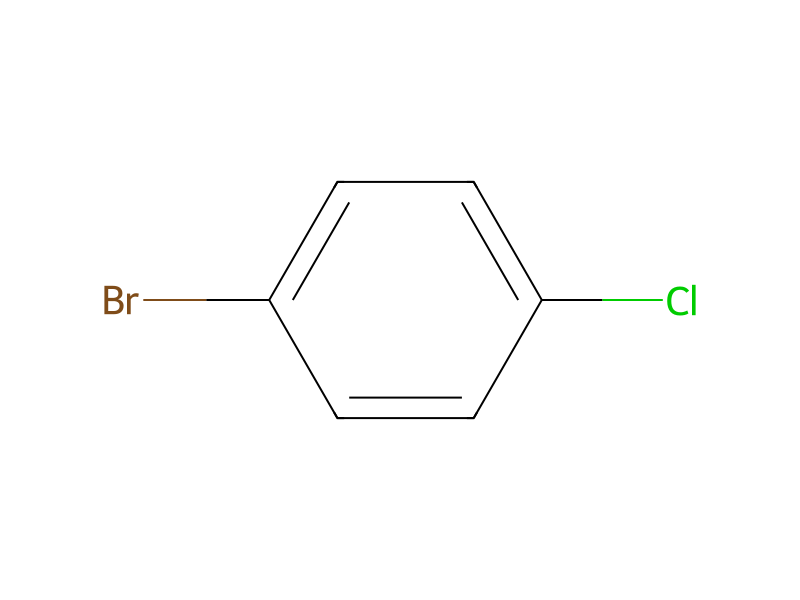
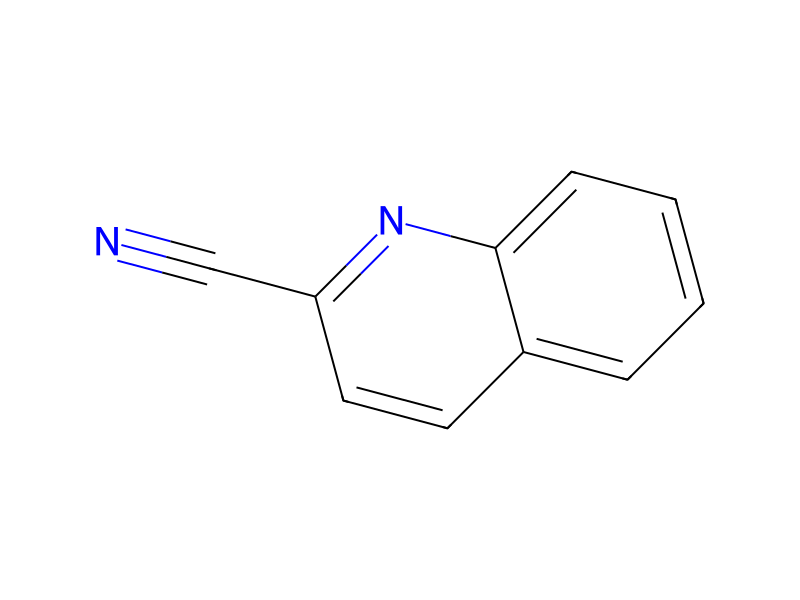
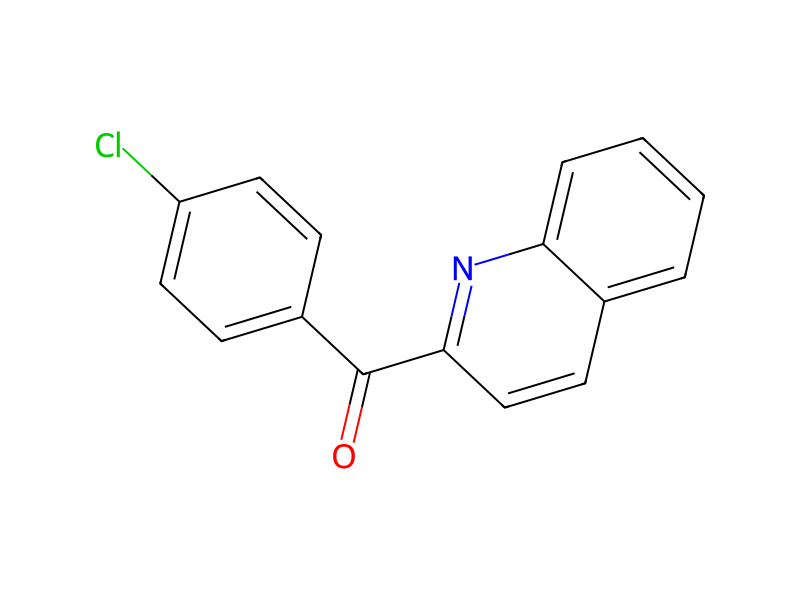
[C:1]([C:3]1[CH:12]=[CH:11][C:10]2[C:5](=[CH:6][CH:7]=[CH:8][CH:9]=2)[N:4]=1)#N.[Cl:13][C:14]1[CH:19]=[CH:18][C:17](Br)=[CH:16][CH:15]=1.[Mg].[Br-].[NH4+].S(=O)(=O)(O)[OH:25]>CCOCC>[Cl:13][C:14]1[CH:19]=[CH:18][C:17]([C:1]([C:3]2[CH:12]=[CH:11][C:10]3[C:5](=[CH:6][CH:7]=[CH:8][CH:9]=3)[N:4]=2)=[O:25])=[CH:16][CH:15]=1Participants
7




Procedure
The starting substance is prepared as follows: 15.4 g (0.1 mole) of 2-cyano-quinoline are dissolved in 200 ml of anhydrous ether, and a Grignard reagent prepared from 2.5 g (0.13 moles) of 4-chloro-bromobenzene and 3.16 g (0.13 moles) of magnesium metal are added. The reaction mixture is allowed to stand overnight, thereafter it is poured into a mixture of 15 g of ammonium bromide and ice, acidified with sulfuric acid and the organic phase is separated. After evaporating the ether the product thus-obtained (24 g) is recrystallized from ethanol. The 2-(4-chlorobenzoyl)-quinoline is obtained with a yield of 89%.
Workup
- customThe starting substance is prepared
- additionare added
- customthe organic phase is separated
- customAfter evaporating the ether the product
- customthus-obtained (24 g)
- customis recrystallized from ethanol
Sources & evidence
- ORD record
- ord-e4db71ac23cb42dfa90d61d08439b931
- Source dataset
- uspto-grants-1983_12
- Patent number
- US04419355
Linked notes
Loading…