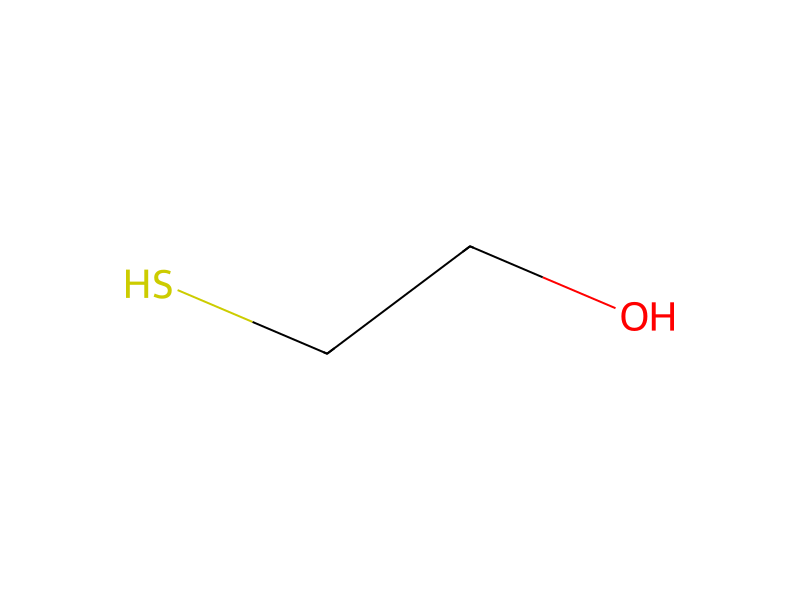
7.5 parts of exemplified compound 1-1, compound represented by Formula (I), and 2.5 parts of N-acryloylpyrrolidine were dissolved in 8 parts of ethyl acetate. 0.033 parts of 2-mercaptoethanol was added to the resultant solution. Polymerization was carried out in the presence of 0.02 parts of 2,2′-azobis(2,4-dimethylvaleronitrile) (V-65™ manufactured by Wako Pure Chemical Industries, Ltd.,) serving as a polymerization initiator at a surrounding temperature of 70° C. for 7 hours under nitrogen flow. After the completion of the polymerization, the resultant polymer solution was added to 100 parts of hexane to precipitate a product. As a result, 9.5 parts of exemplified polymer 2-18 was be produced by radical polymerization of the above-mentioned compound 1-1 and N -acryloylpyrroline (yield: 95%).