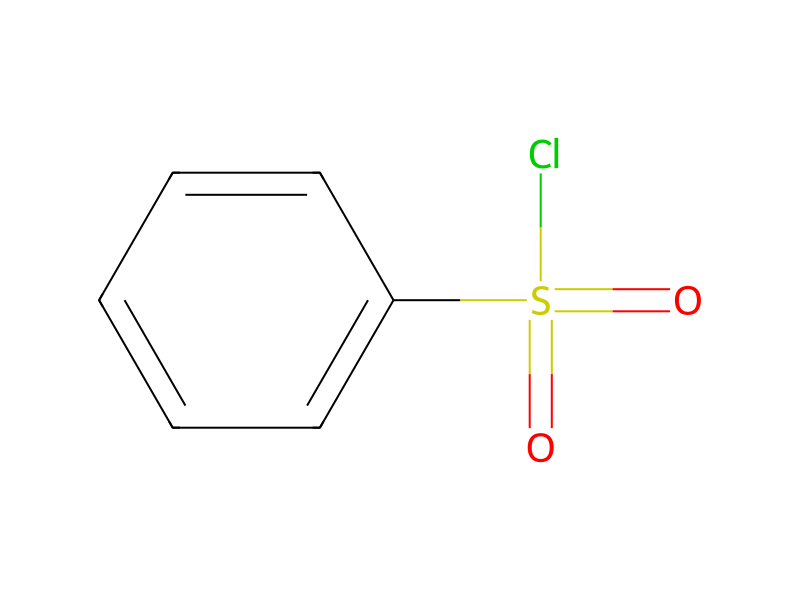
The invented compounds may be made from known starting materials by readily practiced processes. Starting wth quinoxaline, this is oxidized to quinoxaline-1,4-dioxide with 1.2 molar peracetic acid in acetic anhydride (melting point of the product equals 241.5°-242°C.). The yield obtained is 50 to 60% of theoretical. See Journal of the Chemical Society, page 2816 (1953, J. K. Landquist). The quinoxaline-1,4-dioxide is reacted with a 6 molar excess of benzenesulfonyl chloride and the greygreen solid obtained is then reacted with 10% aqueous sodium bicarbonate, to yield 2-chloroquinoxaline-1-oxide in 60% yield (m. p. equals 115°-116°C.). See Journal of General Chemistry, U.S.S.R., volume 34, page 2836 (1964, A. S. Elina). The reaction of 2 -chloroquinoxaline-1-oxide with three molar equivalents of one molar aqueous sodium hydrosulfide results in a yellow aqueous solution of the sodium salt of 2-mercaptoquinoxaline-1-oxide. The yield is essentilly quantitative. The salt is convertible to the water-insoluble 2-mercaptoquinoxaline- 1-oxide by precipitation thereof with an acid, such as concentrated aqueous hydrochloric acid. 2-(1-Oxoquinoxalinyl) disulfide is obtainable from 2-mercaptoquinoxaline-1-oxide by oxidation of the 2-mercaptoquinoxaline-1-oxide. Such oxidation may be effected with air (with the 2-mercaptoquinoxaline-1-oxide being oxidized by the air in a solvent such as acetone, methanol, ethanol or other suitable solvent, preferably at an elevated temperature such as that at which the solvent boils) or with other oxidizing agents, such as aqueous potassium triiodide, aqueous 3% hydrogen peroxide, or a dilute aqueous solution of a percarboxylic acid. Various other metal, ammonium or quaternary ammonium salts of 2-mercaptoquinoxaline-1-oxide may be obtained by treatment of a solution of a soluble salt thereof with an acid such as dilute hydrochloric acid or other suitable inorganic or organic acid, followed by addition of a dilute aqueous solution of the water soluble salt of the cation, e.g., a solution of the metal- or ammonium halide or sulfate.