Reaction equation

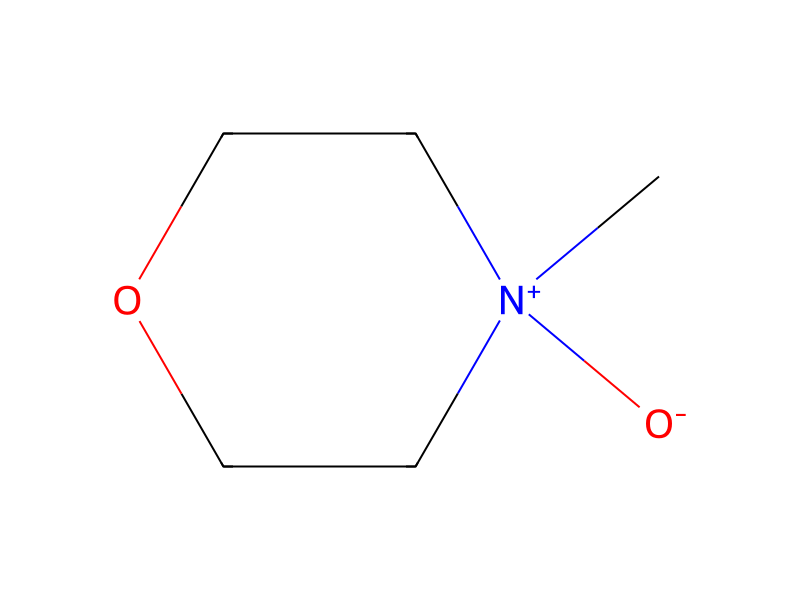
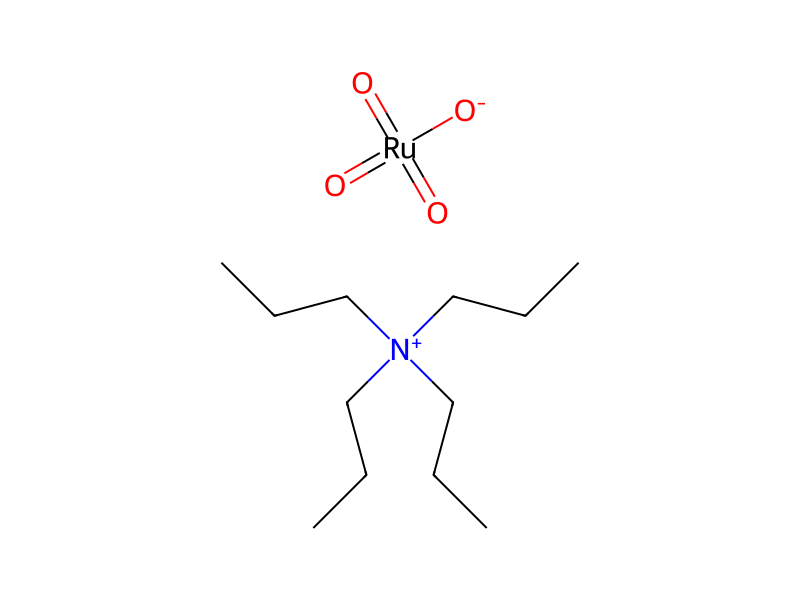
C[N+]1([O-])CCOCC1.[CH2:9]([C:12]1([CH2:16][OH:17])[CH2:15][CH2:14][CH2:13]1)[CH2:10][CH3:11]>ClCCl.[Ru]([O-])(=O)(=O)=O.C([N+](CCC)(CCC)CCC)CC>[CH2:9]([C:12]1([CH:16]=[O:17])[CH2:15][CH2:14][CH2:13]1)[CH2:10][CH3:11]Participants



Conditions
- Temperature
- 0 °C
Procedure
An ice-cold mixture of 4-methylmorpholine N-oxide (NMO) (1.683 g, 14.4 mmol), 1-3 (1.229 g, 9.59 mmol) and 4 Å molecular sieves (5.5 g) in dichloromethane (20 mL) was treated with tetrapropylammonium perruthenate (TPAP) (179 mg, 0.51 mmol). The mixture was stirred at 0° C. for 5 min. and then was allowed to warm to room temperature. After 1 h, the mixture was filtered through a pad of silica gel (dichloromethane) and the dichloromethane was evaporated. The crude product was combined with the crude product from another batch (starting with 4.986 g, 38.9 mmol of 1-3) and the combined product was purified by distillation under reduced pressure followed by flash chromatography on silica gel (15% ether/pentane) to give 1-4 (2.649 g, 43%).
Workup
- temperatureto warm to room temperature
- waitAfter 1 h
- filtrationthe mixture was filtered through a pad of silica gel (dichloromethane)
- customthe dichloromethane was evaporated
- distillationthe combined product was purified by distillation under reduced pressure
Sources & evidence
- ORD record
- ord-421cfd5fe897437b9d9739632c65ce27
- Source dataset
- uspto-grants-2006_08
- Patent number
- US07091231B2
Linked notes
Loading…