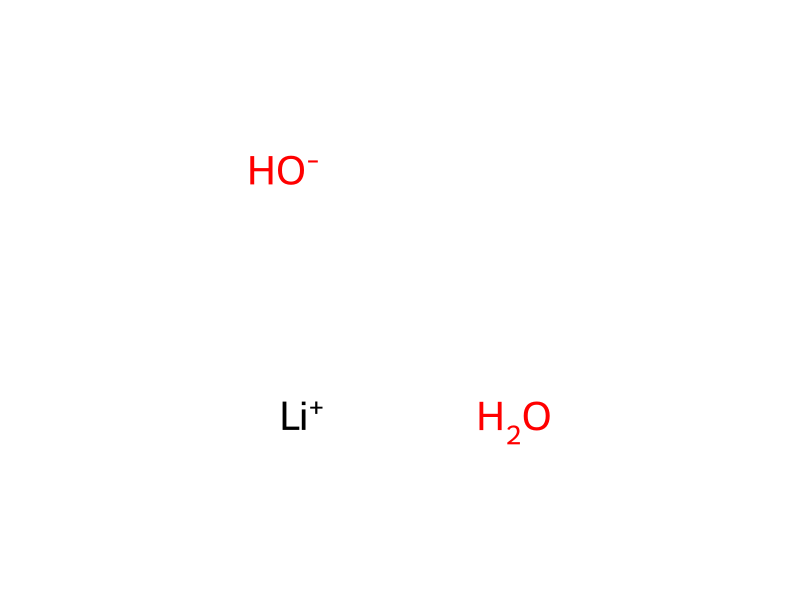
[CH2:1]([N:3]1[CH2:8][CH2:7][CH:6]([CH2:9][C:10]2[CH:15]=[C:14]([F:16])[CH:13]=[CH:12][C:11]=2[S:17]([NH:20][C:21]2[C:30]([C:31]([O:33]C)=[O:32])=[C:29]3[C:24]([CH:25]4[CH2:35][CH:26]4[CH2:27][O:28]3)=[CH:23][CH:22]=2)(=[O:19])=[O:18])[CH2:5][CH2:4]1)[CH3:2].O.[OH-].[Li+].O>O1CCOCC1>[CH2:1]([N:3]1[CH2:8][CH2:7][CH:6]([CH2:9][C:10]2[CH:15]=[C:14]([F:16])[CH:13]=[CH:12][C:11]=2[S:17]([NH:20][C:21]2[C:30]([C:31]([OH:33])=[O:32])=[C:29]3[C:24]([CH:25]4[CH2:35][CH:26]4[CH2:27][O:28]3)=[CH:23][CH:22]=2)(=[O:18])=[O:19])[CH2:5][CH2:4]1)[CH3:2]Methyl (1aRS,7bSR)-5-[2-(1-ethylpiperidin-4-ylmethyl)-4-fluorobenzenesulfonylamino]-1,1a,2,7b-tetrahydrocyclopropa[c]chromene-4-carboxylate (Intermediate 177, 0.279 g) and lithium hydroxide monohydrate (0.233 g) were suspended in dioxane (7 mL) and water (3 mL) and the mixture was stirred and heated at 80° C. for 25 hours. Further lithium hydroxide monohydrate (0.116 g) was added and the mixture heating was continued for 18 hours. After cooling, the volatiles were removed in vacuo, the residue was acidified by addition of aqueous citric acid solution (10%) and saturated with sodium chloride. The mixture was extracted with DCM and the organic layer was dried (Na2SO4) and filtered. The filtrate was evaporated to dryness and the residue was purified by preparative HPLC (C18), eluting with a mixture of methanol and water, containing 0.1% formic acid, with a gradient of 10-98% to give (1aRS,7bSR)-5-[2-(1-ethylpiperidin-4-ylmethyl)-4-fluorobenzenesulfonylamino]-1,1a,2,7b-tetrahydrocyclopropa[c]chromene-4-carboxylic acid (0.117 g) as a white solid.