HomeMCPSkillsWorkbenchOpenChem
HomeWorkbenchNotificationsMe
llms.txt · skill.md · MCP GuidePrivacy Policy · Terms of Service · Supportv1.8.6
  1. Home
  2. /Reaction

Water → (1aRS,7bSR)-5-(2-{[((R)-1-ethylpyrrolidine-3-ylcarbonyl)-amino]methyl}-4-fluorobenzenesulfonylamino)-1,1a,2,7b-tetrahydrocyclopropa[c]chromene-4-carboxylic acid

HRID 927889
Print

Reaction equation

[CH2:1]([N:3]1[CH2:7][CH2:6][C@@H:5]([C:8]([NH:10][CH2:11][C:12]2[CH:17]=[C:16]([F:18])[CH:15]=[CH:14][C:13]=2[S:19]([NH:22][C:23]2[C:32]([C:33]([O:35]C)=[O:34])=[C:31]3[C:26]([CH:27]4[CH2:37][CH:28]4[CH2:29][O:30]3)=[CH:25][CH:24]=2)(=[O:21])=[O:20])=[O:9])[CH2:4]1)[CH3:2].O.[OH-].[Li+].O>O1CCOCC1>[CH2:1]([N:3]1[CH2:7][CH2:6][C@@H:5]([C:8]([NH:10][CH2:11][C:12]2[CH:17]=[C:16]([F:18])[CH:15]=[CH:14][C:13]=2[S:19]([NH:22][C:23]2[C:32]([C:33]([OH:35])=[O:34])=[C:31]3[C:26]([CH:27]4[CH2:37][CH:28]4[CH2:29][O:30]3)=[CH:25][CH:24]=2)(=[O:20])=[O:21])=[O:9])[CH2:4]1)[CH3:2]
ParticipantsConditionsProcedureWorkupSources & evidenceReaction notes

Participants

5

Reactant 3

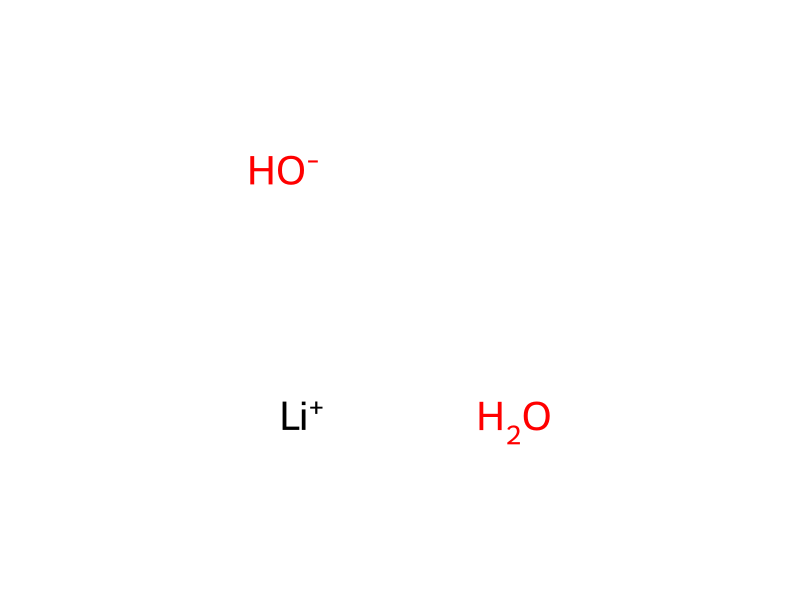
HCID 962WaterHCID 168937Lithium hydroxide, monohydrate2×HCID 86713270methyl (1aRS,7bSR)-5-(2-{[((R)-1-ethylpyrrolidine-3-ylcarbonyl)amino]methyl}-4-fluoro-benzenesulfonylamino)-1,1a,2,7b-tetrahydrocyclopropa[c]chromene-4-carboxylate2×

Product 1

HCID 86713269(1aRS,7bSR)-5-(2-{[((R)-1-ethylpyrrolidine-3-ylcarbonyl)-amino]methyl}-4-fluorobenzenesulfonylamino)-1,1a,2,7b-tetrahydrocyclopropa[c]chromene-4-carboxylic acid
Yield 49.2%

Reagents, catalysts & solvents 1

HCID 312751,4-DioxaneSolvent

Conditions

Temperature
80 °C

Procedure

A mixture of methyl (1aRS,7bSR)-5-(2-{[((R)-1-ethylpyrrolidine-3-ylcarbonyl)amino]methyl}-4-fluoro-benzenesulfonylamino)-1,1a,2,7b-tetrahydrocyclopropa[c]chromene-4-carboxylate (Intermediate 195, 0.215 g) and lithium hydroxide monohydrate (0.170 g) was suspended in dioxane (5 mL) and water (5 mL) and the mixture was stirred and heated at 80° C. for 21 hours. The temperature was raised to 100° C. and the mixture was stirred and heated at that temperature for 2.5 hours. Further lithium hydroxide monohydrate (0.05 g) was added and the mixture was stirred and heated at 100° C. for 2 hours. After cooling, the volatiles were removed in vacuo and the residue was acidified by addition of aqueous citric acid solution (10%) and extracted with DCM. The organic layer was dried (Na2SO4) and filtered. The filtrate was evaporated to dryness and the residue was purified by preparative HPLC (C18) eluting with a mixture of acetonitrile and water, containing 0.1% formic acid, with a gradient of 25-60% to give (1aRS,7bSR)-5-(2-{[((R)-1-ethylpyrrolidine-3-ylcarbonyl)-amino]methyl}-4-fluorobenzenesulfonylamino)-1,1a,2,7b-tetrahydrocyclopropa[c]chromene-4-carboxylic acid (0.103 g) as a white solid.

Workup

  1. temperatureThe temperature was raised to 100° C.
  2. temperatureheated at that temperature for 2.5 hours
  3. stirringthe mixture was stirred
  4. temperatureheated at 100° C. for 2 hours
  5. temperatureAfter cooling
  6. customthe volatiles were removed in vacuo
  7. additionthe residue was acidified by addition of aqueous citric acid solution (10%)
  8. extractionextracted with DCM
  9. dry with materialThe organic layer was dried (Na2SO4)
  10. filtrationfiltered
  11. customThe filtrate was evaporated to dryness
  12. customthe residue was purified by preparative HPLC (C18)
  13. washeluting with a mixture of acetonitrile and water
  14. additioncontaining 0.1% formic acid

Sources & evidence

ORD record
ord-a225f321af3240cb98138abd7aeae2ae
Source dataset
uspto-grants-2016_03
DOI
10.6084/m9.figshare.5104873.v1
Patent number
US09290472B2

Reaction notes

On this pageParticipantsConditionsProcedureWorkupSources & evidenceReaction notes