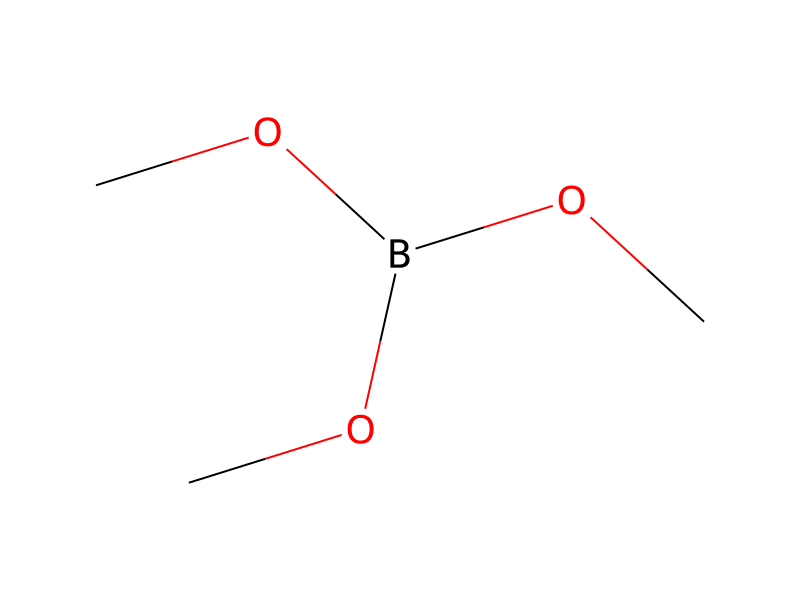
A solution of t-butyllithium in pentane (1.70M, 200 mL, 340 mmol, 2.50 equiv) was added via cannula to a solution of tert-butyl 4-methoxycarbanilate (30.4 g, 136 mmol, 1 equiv) in ether (500 mL) at -20° C., producing a cloudy yellow solution. After stirring at -20° C. for 5 h, trimethyl borate (46.3 mL, 408 mmol, 3.00 equiv) was added. The resulting viscous solution was swirled by hand for 5 min, then was allowed to warm to 23° C. and was held at that temperature for 12 h. The product solution was partitioned between saturated aqueous ammonium chloride solution (500 mL) and ethyl acetate (500 mL). The aqueous layer was separated and further extracted with ethyl acetate (2×500 mL). The combined organic layers were dried over sodium sulfate and were concentrated. The product was purified by flash column chromatography (2.5% methanol-dichloromethane initially, grading to 10% methanol-dichloromethane) to provide the tert-Butyl 2-Borono-4-methoxycarbanilate (8) as a yellow powder (19.9 g, 55%). ##STR20##