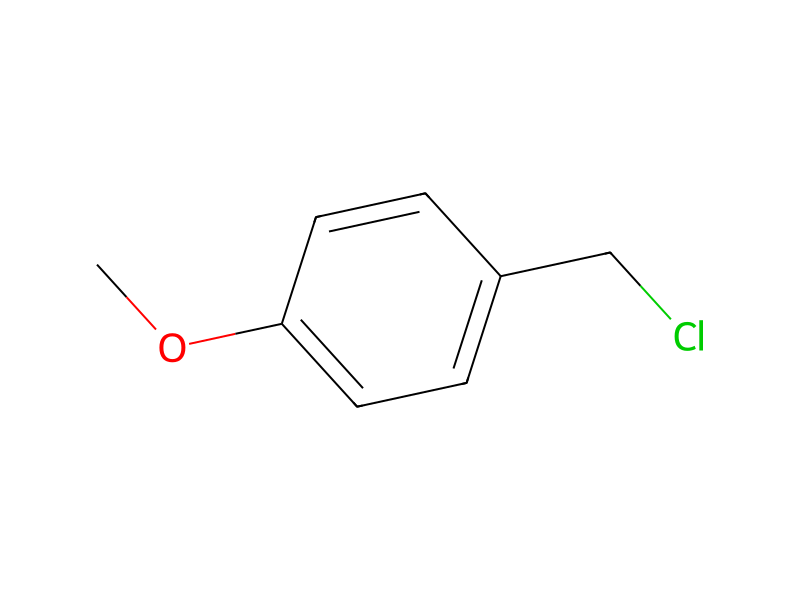
[Br:1][C:2]1[CH:7]=[CH:6][C:5]([NH:8][S:9]([C:12]([F:15])([F:14])[F:13])(=[O:11])=[O:10])=[CH:4][CH:3]=1.[CH3:16][O:17][C:18]1[CH:25]=[CH:24][C:21]([CH2:22]Cl)=[CH:20][CH:19]=1.C(=O)([O-])[O-].[K+].[K+]>CC(C)=O>[Br:1][C:2]1[CH:3]=[CH:4][C:5]([N:8]([CH2:22][C:21]2[CH:24]=[CH:25][C:18]([O:17][CH3:16])=[CH:19][CH:20]=2)[S:9]([C:12]([F:15])([F:13])[F:14])(=[O:11])=[O:10])=[CH:6][CH:7]=1A suspension of 1.52 g (5 mmol) of N-(4-bromophenyl)-C,C,C-trifluoro-methanesulphonamide (Example 13bv)), 1.56 g (10 mmol) of 4-methoxybenzyl chloride and 1.38 g (10 mmol) of powdered potassium carbonate in 15 ml of acetone was stirred at reflux for 18 hours. Thereafter, the mixture was concentrated and the residue was taken up in 100 ml of water and 100 ml of ethyl acetate, the organic phase was separated and the aqueous phase was extracted twice with 100 ml of ethyl acetate each time. The combined organic phases were washed neutral with sat. sodium chloride solution, dried over magnesium sulphate and evaporated. The resulting yellow oil was subjected to flash chromatography with hexane/ethyl acetate 95:5. 2.06 g (97%) of N-(4-bromophenyl)-C,C,C-trifluoro-N-(4-methoxy-benzyl)-methanesulphonamide were obtained as a colourless, viscous oil. MS (EI): 423 and 425 (M+, 3%), 121 ([CH2 --C6H4 --OCH3 ]+, 100%).
Loading…