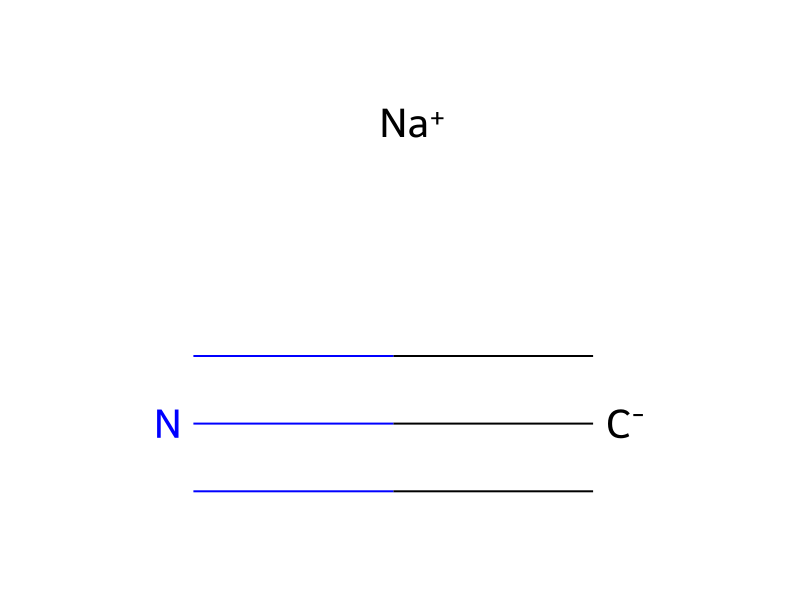
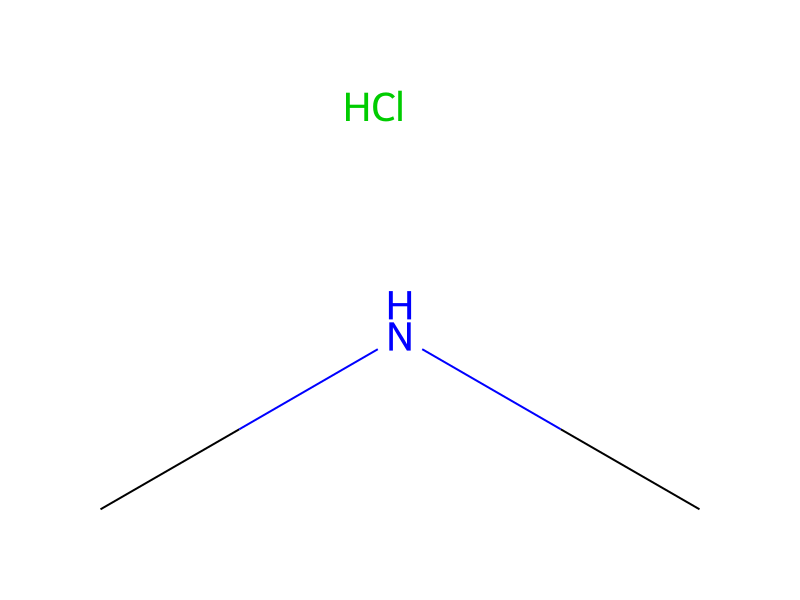
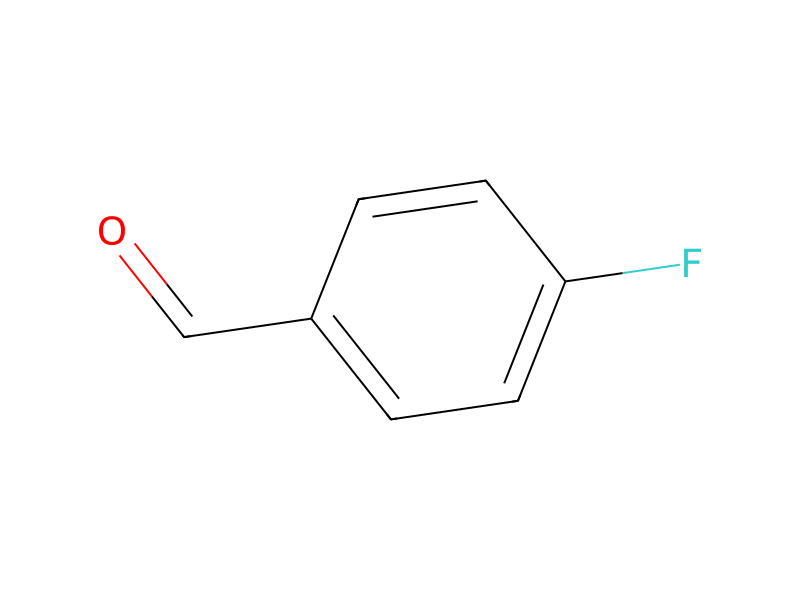
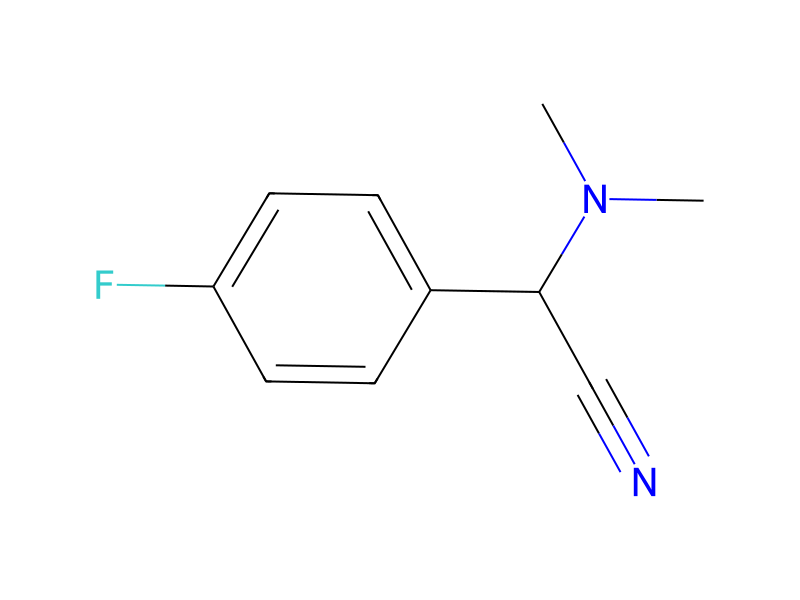
Into a 1 l four-necked flask equipped with a thermometer, a stirrer and a dropping funnel, 30.9 g (0.6 mol) of sodium cyanide, 85.7 g (1.05 mol) of dimethylamine hydrochloride, 1.2 g of benzyltri-n-butylammonium chloride and 200 ml of water were charged, and a solution comprising 62.1 g (0.5 mol) of 4-fluorobenzaldehyde and 150 ml of toluene, was dropwise added over a period of 30 minutes at from 20 to 30° C. with stirring, and then reacted at from 45 to 50° C. for 4 hours. After completion of the reaction, 200 ml of water was added, and the mixture was subjected to liquid separation. The organic layer was separated, washed with a 5% sodium hydrogen carbonate aqueous solution and water, and then dried over anhydrous sodium sulfate. Toluene was distilled off, and the obtained oily substance was distilled under reduced pressure to obtain 79.3 g (yield: 89%) of the desired compound (boiling point: 100-101° C./1 KPa).