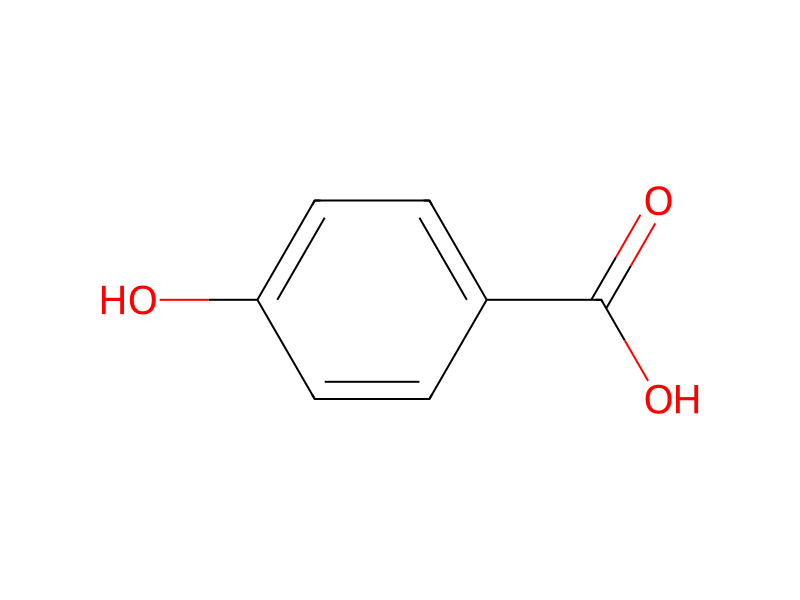
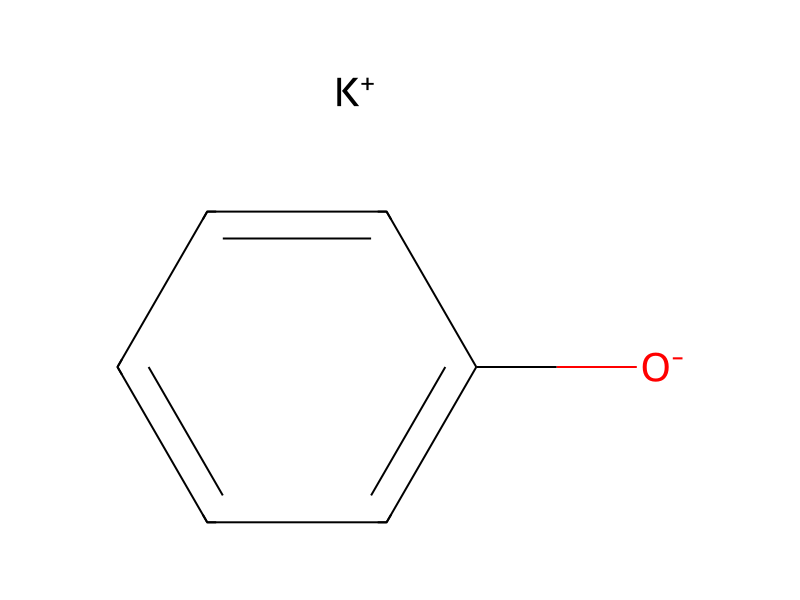
[OH:1]C1C=CC([C:6]([O-:8])=[O:7])=CC=1.[OH:11]C1C=CC([C:16]([O-:18])=[O:17])=CC=1.[K+].[O-:22]C1C=CC=CC=1.[K+].C(=O)=O.OC1C=CC(C([O-])=O)=CC=1.[Na+:43].OC1C=CC(C([O-])=O)=CC=1.[NH4+:54].OC1C=CC(C(O)=O)=CC=1>>[OH-:1].[Na+:43].[C:6](=[O:7])([O-:11])[O-:8].[Na+:43].[Na+:43].[C:16](=[O:17])([OH:22])[O-:18].[Na+:43].[NH3:54]The solution of parahydroxybenzoate in an aqueous solvent which is preferably used may be a solution of potassium parahydroxybenzoate in an aqueous solvent that may be obtained by reacting potassium phenoxide with carbon dioxide, or a solution of sodium parahydroxybenzoate or ammonium parahydroxybenzoate in an aqueous solvent that is prepared by dissolving parahydroxybenzoic acid obtained by a conventional method in an aqueous solvent with the aid of a basic substance such as sodium hydroxide, sodium carbonate, sodium bicarbonate, or ammonia.