Benzyl Alcohol → 4-(Benzyloxycarbonyl)amino-1-(tert-butoxycarbonyl)-4-(trifluoromethyl)piperidine
HRID 970373
Reaction equation

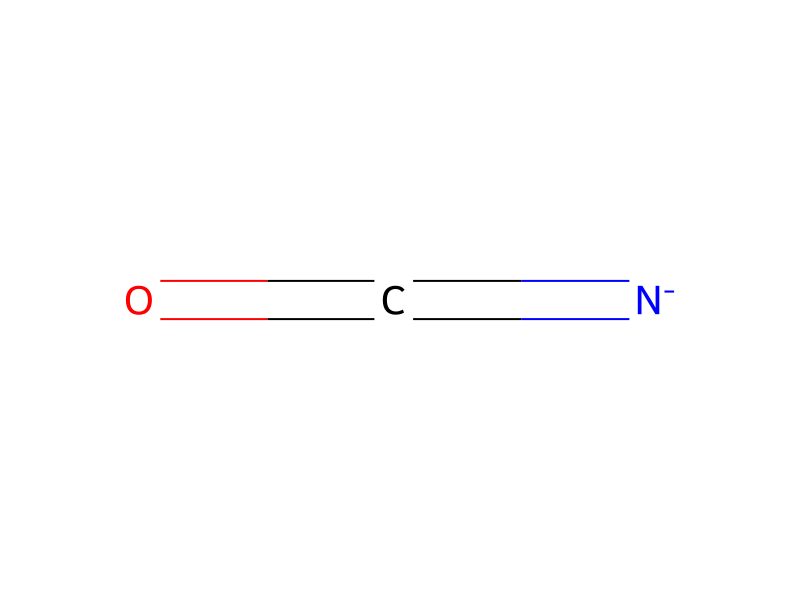
C1(P(N=[N+]=[N-])(C2C=CC=CC=2)=O)C=CC=CC=1.[C:18]([O:22][C:23]([N:25]1[CH2:30][CH2:29][C:28]([C:34]([F:37])([F:36])[F:35])(C(O)=O)[CH2:27][CH2:26]1)=[O:24])([CH3:21])([CH3:20])[CH3:19].CCN(CC)CC.[CH2:45]([OH:52])[C:46]1[CH:51]=[CH:50][CH:49]=[CH:48][CH:47]=1.[N-:53]=[C:54]=[O:55]>C1(C)C=CC=CC=1>[CH2:45]([O:52][C:54]([NH:53][C:28]1([C:34]([F:35])([F:36])[F:37])[CH2:27][CH2:26][N:25]([C:23]([O:22][C:18]([CH3:19])([CH3:20])[CH3:21])=[O:24])[CH2:30][CH2:29]1)=[O:55])[C:46]1[CH:51]=[CH:50][CH:49]=[CH:48][CH:47]=1