Reaction equation

[C:1]([O:14][CH2:15][Cl:16])(=[O:13])[CH2:2][CH2:3][CH2:4][CH2:5][CH2:6][CH2:7][CH2:8][CH2:9][CH2:10][CH2:11][CH3:12].[N:17]12[CH2:24][CH2:23][CH:20]([CH2:21][CH2:22]1)[CH2:19][CH2:18]2.[K+].[Br-]>CCOCC>[Cl-:16].[C:1]([O:14][CH2:15][N+:17]12[CH2:24][CH2:23][CH:20]([CH2:21][CH2:22]1)[CH2:19][CH2:18]2)(=[O:13])[CH2:2][CH2:3][CH2:4][CH2:5][CH2:6][CH2:7][CH2:8][CH2:9][CH2:10][CH2:11][CH3:12]Participants
5
Reactant 3

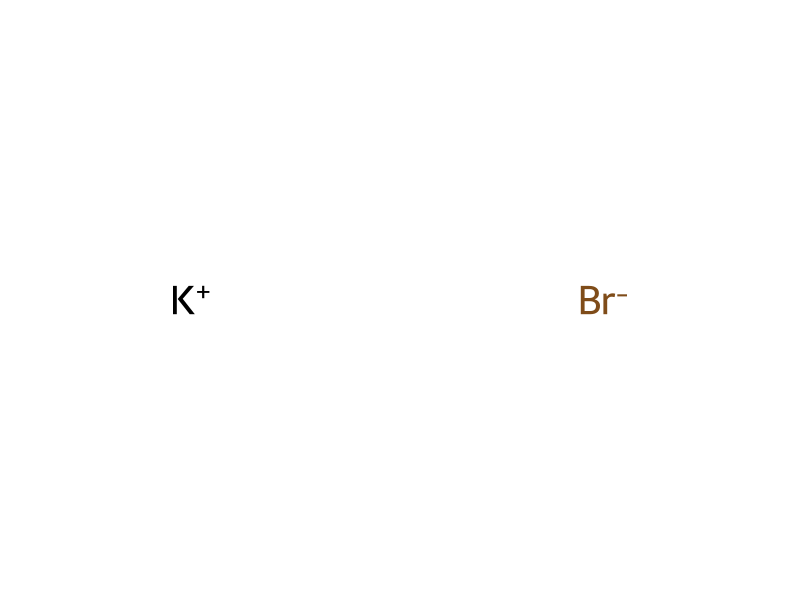

Product 1

Reagents, catalysts & solvents 1

Procedure
2.49 g (0.01 mol) chloromethyl n-dodecanoate and 1.12 g (0.01 mol) quinuclidine were mixed and allowed to react together at room temperature for 48 hrs. Anhydrous ether was added to the mixture and the mixture was triturated in anhydrous ether overnite. The solid was isolated by filtration under a nitrogen atmosphere and thoroughly washed with anhydrous ether. After drying in vacuo over calcium sulfate at room temperature, 2.1 g (0.006 mol), 17 was obtained as a white solid, mp 170°-172°; ir (KBr) 2960, 2930, 1765, 1470, 1120, 1090, 860 and 830 cm-1 ; pmr (CDCl3) δ 5.8 (s, 2H), 3.9 (t, 6H), 2.5 (t, 2H), 2.2 (m, 7H), 1.3 (bs, 18H) and 0.9 (t, 3H) ppm.
Workup
- customto react together at room temperature for 48 hrs
- customthe mixture was triturated in anhydrous ether overnite
- customThe solid was isolated by filtration under a nitrogen atmosphere
- washthoroughly washed with anhydrous ether
- dry with materialAfter drying in vacuo over calcium sulfate at room temperature
- custom2.1 g (0.006 mol), 17 was obtained as a white solid, mp 170°-172°
Sources & evidence
- ORD record
- ord-856f122a45cb47ceb9e0c06037a5e544
- Source dataset
- uspto-grants-1979_07
- Patent number
- US04160099
Linked notes
Loading…