Reaction equation

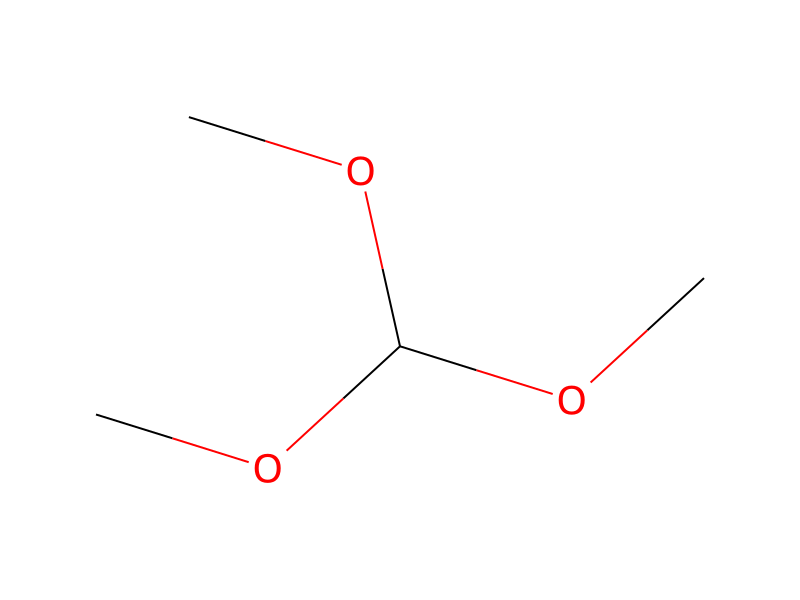
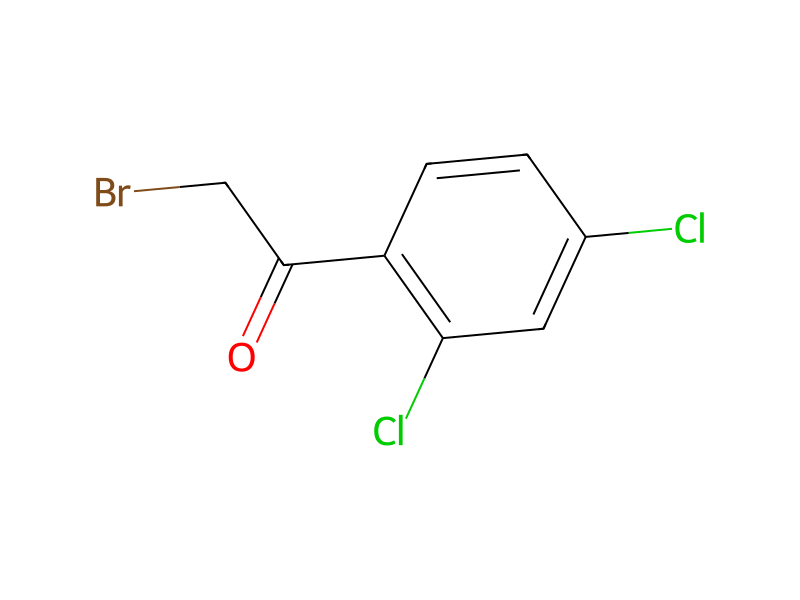
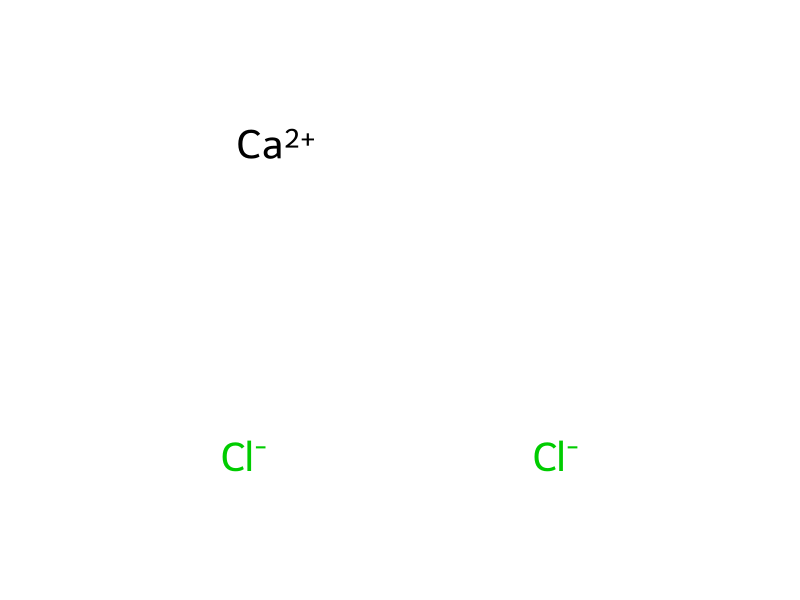
[Br:1][CH2:2][C:3]([C:5]1[CH:10]=[CH:9][C:8]([Cl:11])=[CH:7][C:6]=1[Cl:12])=[O:4].[CH3:13][O:14]C(OC)OC.[CH3:20]C1C=CC(S(O)(=O)=O)=CC=1.[Cl-].[Cl-].[Ca+2].[OH-].[Na+]>O(CC)CC.CO>[Br:1][CH2:2][C:3]([C:5]1[CH:10]=[CH:9][C:8]([Cl:11])=[CH:7][C:6]=1[Cl:12])([O:14][CH3:13])[O:4][CH3:20]Participants
8
Reactant 5


Product 1

Reagents, catalysts & solvents 2


Procedure
A mixture of 13.5 parts of 2-bromo-1-(2,4-dichlorophenyl)ethanone, 5.5 parts of trimethoxymethane, 2 parts of 4-methylbenzenesulfonic acid and 80 parts of methanol is stirred and refluxed overnight (CaCl2 -tube). The reaction mixture is cooled and stirred for 30 minutes with 15 parts of a sodium hydroxide solution 50%. Then there are added 140 parts of 1,1'-oxybisethane and the mixture is washed with 300 parts of water. The organic phase is stirred with silica gel. The latter is filtered off and the filtrate is evaporated. The residue is dissolved in petroleumether. The solution is dried, filtered and evaporated, yielding 14.5 parts (92%) of 1-(2-bromo-1,1-dimethoxyethyl)-2,4-dichlorobenzene as a residue.
Workup
- temperatureThe reaction mixture is cooled
- washthe mixture is washed with 300 parts of water
- stirringThe organic phase is stirred with silica gel
- filtrationThe latter is filtered off
- customthe filtrate is evaporated
- dissolutionThe residue is dissolved in petroleumether
- customThe solution is dried
- filtrationfiltered
- customevaporated
Sources & evidence
- ORD record
- ord-5d9d3edc7f09408389e305292b92e9b5
- Source dataset
- uspto-grants-1979_07
- Patent number
- US04160838
Linked notes
Loading…