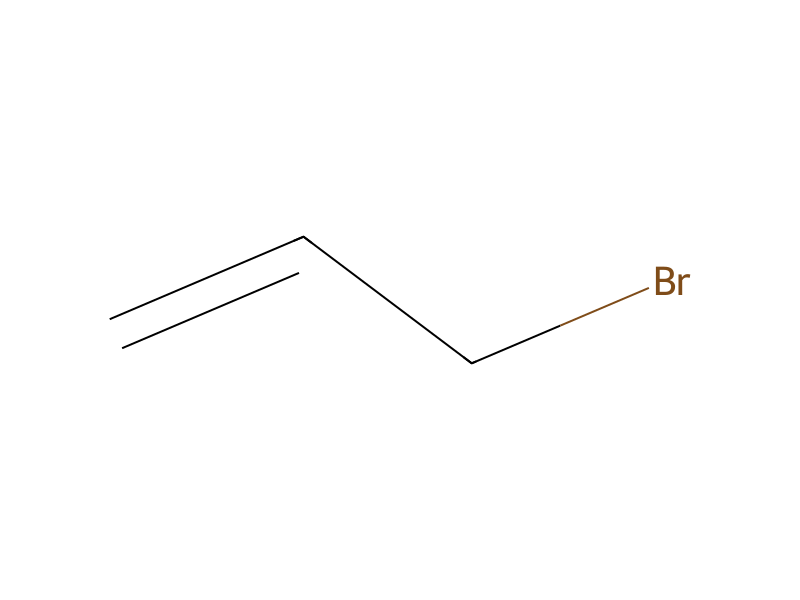
[Cl:1][C:2]1[CH:3]=[C:4]([C:10]2[CH2:11][CH2:12][C:13](=[O:16])[NH:14][N:15]=2)[CH:5]=[C:6]([Cl:9])[C:7]=1[OH:8].C(=O)([O-])[O-].[K+].[K+].[CH2:23](Br)[CH:24]=[CH2:25]>CC(C)=O>[CH2:25]([O:8][C:7]1[C:6]([Cl:9])=[CH:5][C:4]([C:10]2[CH2:11][CH2:12][C:13](=[O:16])[NH:14][N:15]=2)=[CH:3][C:2]=1[Cl:1])[CH:24]=[CH2:23]In 50 ml. of acetone was mixed 5 g. of 6-(3,5-dichloro-4-hydroxyphenyl)-4,5-dihydro-3(2H)-pyridazinone obtained in Example 5 and 3.3 g. of anhydrous potassium carbonate and to the resulting mixture was added dropwise 2.4 g. of allyl bromide at room temperature while stirring. After completion of the addition, the mixture was heated under reflux for 4 hours. After cooling, the reaction mixture was filtered, the filtrate was concentrated under reduced pressure and the residue was recrystallized from ethanol to give 5.3 g. of the desired product of m.p. 137° C. (Yield 93%).