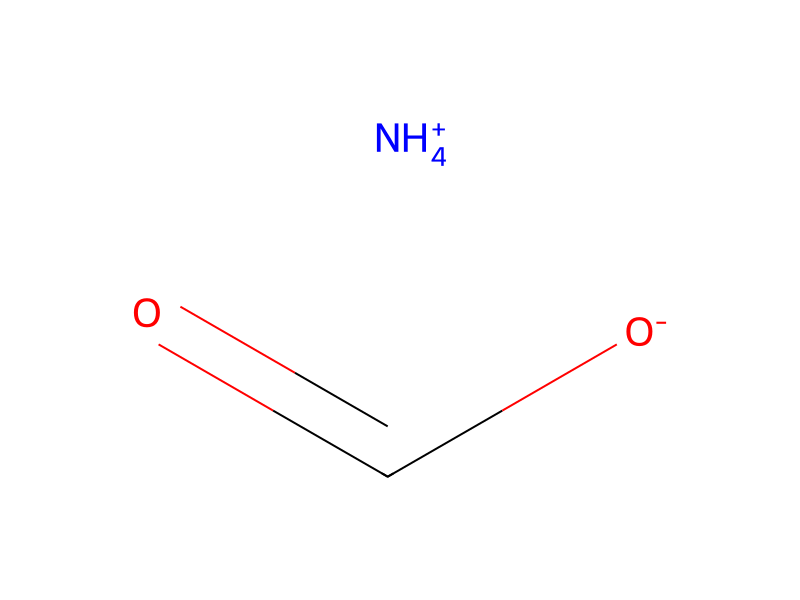
C([N:8]1[CH2:12][C@H:11]([O:13][Si:14]([C:17]([CH3:20])([CH3:19])[CH3:18])([CH3:16])[CH3:15])[CH2:10][C@H:9]1[CH:21]([C:23]1[CH:24]=[N:25][N:26]([CH3:28])[CH:27]=1)[OH:22])C1C=CC=CC=1.[CH:29]([O-:31])=O.[NH4+]>CO.[Pd]>[CH2:11]([O:13][N:8]1[CH2:12][C@H:11]([O:13][Si:14]([C:17]([CH3:20])([CH3:19])[CH3:18])([CH3:16])[CH3:15])[C:10](=[C:29]=[O:31])[C@H:9]1[CH:21]([C:23]1[CH:24]=[N:25][N:26]([CH3:28])[CH:27]=1)[OH:22])[CH:10]=[CH2:9]To a solution of (2S,4R)-1-{1-benzyl-4-(t-butyl-dimethylsilyloxy) pyrrolidin-2-yl}-1-(1-methyl-4-pyrazolyl)methanol (70 g) in methanol (700 ml) was added ammonium formate (44 g) and 10% Pd-C (wet, 20 g). The mixture was refluxed for 40 minutes, then cooled. After filtration of Pd-C, the solvent was evaporated. To the residue was added chloroform (500 ml) and precipitated excess ammonium formate was filtered off with celite. The filtrate was concentrated under reduced pressure. The residue was dissolved in tetrahydrofuran-water (1:1, 1 l) and a solution of allyl chloroformate (22.3 ml) in tetrahydrofuran (60 ml) was added thereto, while adjusting pH to 8.5~10 with 4N-sodium hydroxide solution at 0°~5° C. The mixture was stirred for 30 minutes at the same temperature. The organic layer was separated and the aqueous layer was extracted with ethyl acetate (×2). The combined organic layer was washed with water and brine, dried over magnesium sulfate and evaporated under reduced pressure to give 1-{(2S,4R)-1-allyloxy-carbonyl-4-(t-butyldimethylsilyloxy) pyrrolidin-2-yl}-1-(1-methylpyrazol-4-yl) methanol (66.2 g).
Loading…