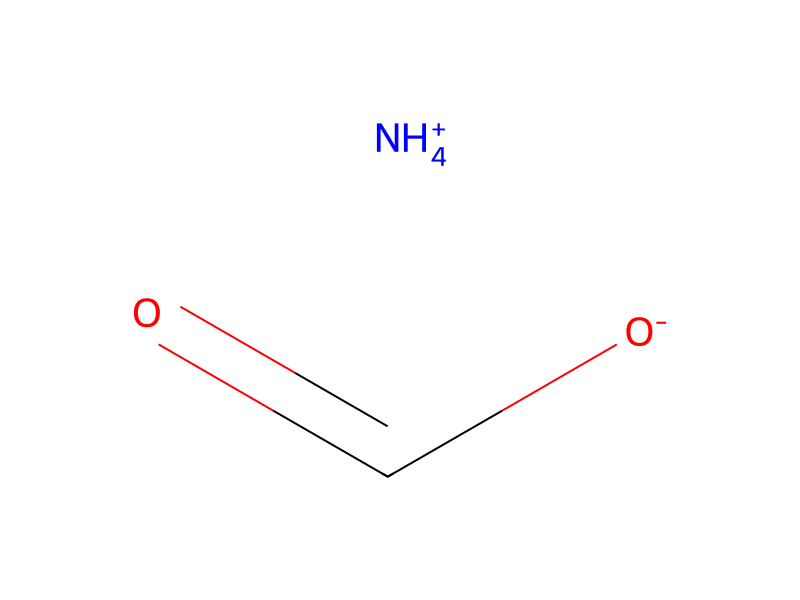
[C:1]1([C:11](=O)[CH2:12][CH2:13][CH:14]2[CH2:19][CH2:18][NH:17][CH2:16][CH2:15]2)[C:10]2[C:5](=[CH:6][CH:7]=[CH:8][CH:9]=2)[CH:4]=[CH:3][N:2]=1.C([O-])=O.[NH4+:24]>O>[C:1]1([CH:11]([NH2:24])[CH2:12][CH2:13][CH:14]2[CH2:19][CH2:18][NH:17][CH2:16][CH2:15]2)[C:10]2[C:5](=[CH:6][CH:7]=[CH:8][CH:9]=2)[CH:4]=[CH:3][N:2]=1A mixture of 1-(1-isoquinolyl)-3-(4-piperidyl)-1-propanone (2.5 g) and ammonium formate (7.5 g) is heated to 160° C. for 5 hours. The mixture is cooled, water (100 ml) is added, and the insoluble material is extracted with ethyl acetate (3×50 ml). After the solvent has been evaporated, the residue is taken up in 6N hydrochloric acid (35 ml) and boiled for 1 hour. The mixture is diluted with water (100 ml), the pH of the aqueous mixture is adjusted to 7, and the solution is extracted with ethyl acetate. The aqueous phase is made alkaline to pH 11, and extracted again with chloroform (3×100 ml). The organic phase is dried over magnesium sulphate and evaporated to dryness under reduced pressure. 1-(1-Isoquinolyl)-3-(4-piperidyl)-1-propanamine (0.13 g) is obtained, the proton NMR spectrum of which is deuterated chloroform has the following characteristics: ##STR8##