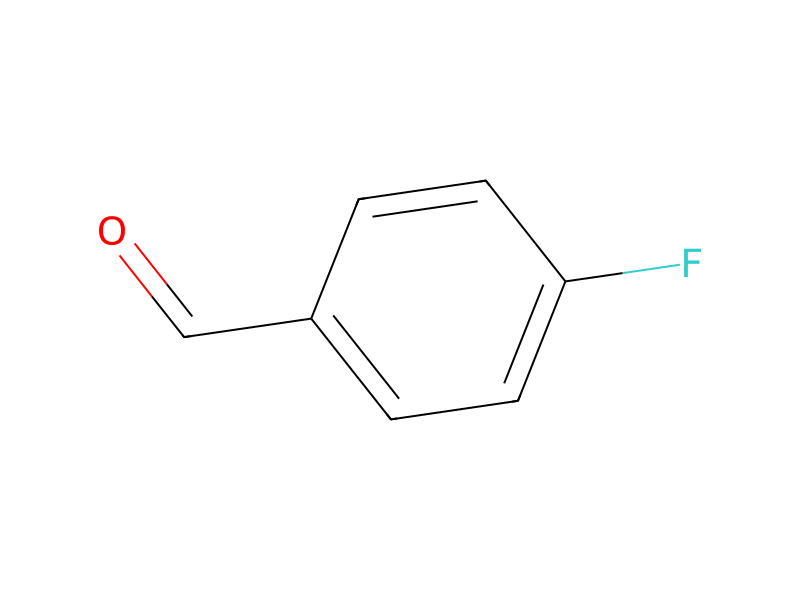
4-Fluorobenzaldehyde → (E)-6-(p-fluoro-alpha-methylstyryl)-1,2,3,4-tetrahydro-1,1,4,4-tetramethylnaphthalene
HRID 981421
Reaction equation

[Br-].[CH3:2][C:3]1([CH3:36])[CH2:12][CH2:11][C:10]([CH3:14])([CH3:13])[C:9]2[CH:8]=[C:7]([CH:15]([P+](C3C=CC=CC=3)(C3C=CC=CC=3)C3C=CC=CC=3)[CH3:16])[CH:6]=[CH:5][C:4]1=2.[F:37][C:38]1[CH:45]=[CH:44][C:41]([CH:42]=O)=[CH:40][CH:39]=1.CO.O>C1OC1CC>[F:37][C:38]1[CH:45]=[CH:44][C:41](/[CH:42]=[C:15](/[C:7]2[CH:8]=[C:9]3[C:4](=[CH:5][CH:6]=2)[C:3]([CH3:36])([CH3:2])[CH2:12][CH2:11][C:10]3([CH3:13])[CH3:14])\[CH3:16])=[CH:40][CH:39]=1Participants
5
Reactant 3


Product 1

Reagents, catalysts & solvents 1
