Reaction equation

[Br:1][C:2]1[CH:14]=CC2C3C(=CC=CC=3)C[C:4]=2[C:3]=1Br.[OH-].[K+].[CH3:18][CH2:19][CH2:20][CH2:21][CH2:22][CH2:23][CH2:24][C:25]([C:27]([NH3+])([C:37]([CH2:39][CH2:40][CH2:41][CH2:42][CH2:43][CH2:44][CH3:45])=O)[C:28]([CH2:30][CH2:31][CH2:32][CH2:33][CH2:34][CH2:35][CH3:36])=O)=O.[Cl-].C([Br:56])CCCCCCC>ClCCl>[Br:56][C:20]1[CH:21]=[CH:22][C:23]2[C:24]3[C:25](=[CH:14][C:2]([Br:1])=[CH:3][CH:4]=3)[C:27]([CH2:37][CH2:39][CH2:40][CH2:41][CH2:42][CH2:43][CH2:44][CH3:45])([CH2:28][CH2:30][CH2:31][CH2:32][CH2:33][CH2:34][CH2:35][CH3:36])[C:18]=2[CH:19]=1Participants
6
Reactant 4



Product 1

Reagents, catalysts & solvents 1

Conditions
- Temperature
- 85 °C
Procedure
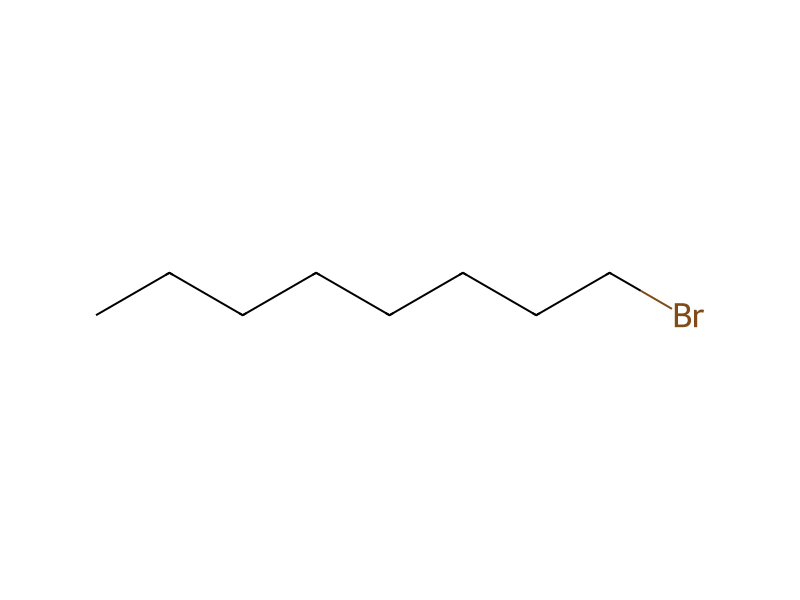
Dibromofluorene (320 g) prepared previously (as described above) is added to a KOH solution (1-l, 50% w/w) and Aliquat-336 (3 ml) at 85° C. in a 3 l three-necked round bottomed flask equipped with a magnetic stirrer, reflux condenser and dropping funnel. The suspension was heated to 85° C. at which temperature n-octylbromide (500 ml) is added dropwise, to form eventually a two-phase system. Once the addition is complete the reaction is stirred at 85° C. overnight, and then allowed to cool to room temperature. Dichloromethane is then added to the reaction mixture (500 ml).
Workup
- customequipped with a magnetic stirrer
- temperaturereflux condenser
- additionis added dropwise
- customto form eventually a two-phase system
- additionOnce the addition
- temperatureto cool to room temperature
Sources & evidence
- ORD record
- ord-fa2110d37518401981b0fd81c910b75e
- Source dataset
- uspto-grants-2005_03
- Patent number
- US06861502B1
Linked notes
Loading…