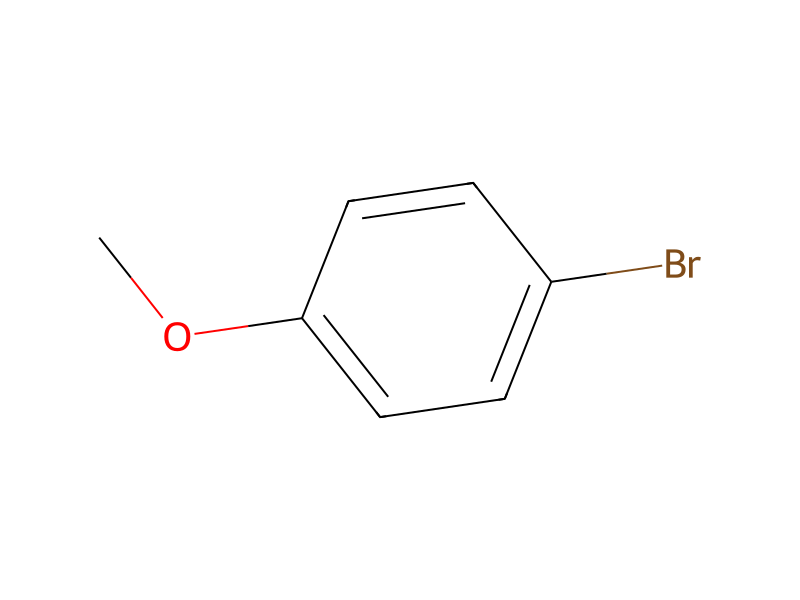
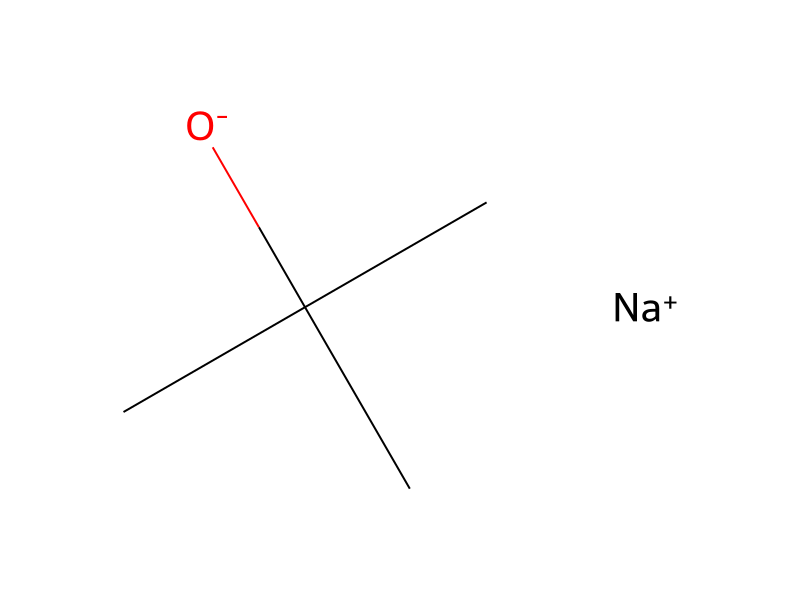
CC(C)([O-])C.[Na+].Br[C:8]1[CH:13]=[CH:12][C:11]([O:14][CH3:15])=[CH:10][CH:9]=1.[C:16]([C:20]1[CH:25]=[CH:24][CH:23]=[CH:22][CH:21]=1)(=[O:19])[CH2:17][CH3:18]>CC([O-])=O.CC([O-])=O.[Pd+2].C1(C)C=CC=CC=1>[CH3:15][O:14][C:11]1[CH:12]=[CH:13][C:8]([CH:17]([CH3:18])[C:16]([C:20]2[CH:25]=[CH:24][CH:23]=[CH:22][CH:21]=2)=[O:19])=[CH:9][CH:10]=1A dry Schlenk tube was charged with Pd(OAc)2 (2.2 mg, 0.01 mmol) and sodium tert-butoxide (125 mg, 1.3 mmol). The tube was then evacuated and filled with argon. Toluene (1 mL), 4-bromoanisole (187 mg, 0.125 mL, 1.0 mmol) and propiophenone (161 mg, 0.160 mL, 1.2 mmol) were sequentially added with a syringe, and the tube was sealed and heated in an oil bath at 80° C. for 14 h. The mixture was cooled, and partitioned between ether and water. The aqueous layer was extracted twice with ether, and the combined organics were dried over Na2SO4, filtered and concentrated. Chromatography on silica gel (12:1 hexane:ethyl acetate was the eluent) gave 0.189 g (79%) of α-(4-methoxyphenyl)propiophenone, a white solid. 1H NMR (CDCl3, 300 MHz) a 7.96 (m, 2H); 7.48 (m, 1H); 7.39 (m, 2H); 7.21 (d, 2H, J=8.7 Hz); 6.84 (d; 2H, 8.7 Hz); 4.66 (q, 1H, J=6.9 Hz); 3.76 (s, 3H); 1.52 (d, 3H, J=6.9).