

基本情報
- 標準SMILES
Cc1ccc(C(C)C)cc1O- InChIKey
RECUKUPTGUEGMW-UHFFFAOYSA-N- 分子式
- C10H14O
- 平均分子量
- 150.22 g/mol
- 単同位体質量
- 150.10446507
名称と識別子
- 優先名称
- Carvacrol
- IUPAC
- 2-methyl-5-propan-2-ylphenol
- 現地名
- カルバクロール
- 英語名
- Carvacrol
- 分子式
- C10H14O
- 分子量
- 150.22
名称と別名
CARVACROL5-Isopropyl-2-methylphenol499-75-2Isopropyl-o-cresolAntioxine2-p-Cymenol5-Isopropyl-o-cresol2-Hydroxy-p-cymenePhenol, 2-methyl-5-(1-methylethyl)-Karvakrolp-Cymen-2-ol2-Methyl-5-isopropylphenol
名称をさらに表示
カルバクロール2-メチル-5-イソプロピルフェノールアンチオキシン2-p-シメノール5-イソプロピル-2-メチルフェノール3-イソプロピル-6-メチルフェノール5-イソプロピル-o-クレゾールイソチモール6-メチル-3-(1-メチルエチル)フェノール2-ヒドロキシ-p-シメン2-メチル-5-(1-メチルエチル)フェノール2-メチル-5-(プロパン-2-イル)フェノールカルバクロール(イソチモール)ピオゾールイソプロピル-o-クレゾールo-ThymolISOTHYMOLCymenolFEMA 22452-hydroxy-p-cymen
2-methyl-5-propan-2-ylphenol3-Isopropyl-6-methylphenolp-Cymene, 2-hydroxy-1-Hydroxy-2-methyl-5-isopropylbenzeneFEMA No. 2245Phenol, 5-isopropyl-2-methyl-1-Methyl-2-hydroxy-4-isopropylbenzeneDENTOL
データベース識別子
- CAS
499-75-2- PubChem CID
- 10364
- DTXSID
DTXSID6042074- ChEMBL
CHEMBL281202- ChEBI
CHEBI:3440- UNII
- 9B1J4V995Q
- EC Number
- 207-889-6
- Nikkaji
- J6.180H
物性
構造計算による物性
- XLogP
- 3.1
- 極性表面積
- 20.2 Ų
- 水素結合供与体数
- 1
- 水素結合受容体数
- 1
- 回転可能結合数
- 1
- 重原子数
- 11
- 形式電荷
- 0
- 複雑度
- 120
実験および物理化学的性質
LogP3.49
Odor
THYMOL ODOR
MEDICINAL SMOKE ODOR
TasteEXCELLENT SMOKE TASTE, @ 1-5 PPM
Density
0.976 @ 20 °C/4 °C
0.974-0.979
Color/Form
NEEDLES
COLORLESS OR YELLOWISH, THICK LIQUID
Solubility
SLIGHTLY SOL IN WATER; SOL IN ETHANOL, ETHER, ALKALIS; VERY SOLUBLE IN ACETONE
1.25 mg/mL at 25 °C
insoluble in water; miscible in oils
miscible (in ethanol)
Flash Point100 °C
Boiling Point
237-238 °C @ 760 MM HG
237.70 °C. @ 760.00 mm Hg
236-238 °C
Melting Point
1 °C
3.5 °C
Refractive Index
INDEX OF REFRACTION: 1.5230 @ 20 °C/D; MAX ABSORPTION (ALCOHOL): 277.5 NM (LOG E= 3.26); SADTLER REFERENCE NUMBER: 2470 (IR, PRISM)
1.521-1.528
Physical Description
Thick colorless liquid; [Hawley] Clear, deep yellow liquid; [MSDSonline]
Liquid
Colourless to pale yellow liquid, pungent, spicy odour
Kovats Retention Index
1278;1275;1280;1276;1275;1289;1273;1278;1297;1275;1272;1275;1275;1298;1277;1279;1275;1278;1278;1272
1304;1300;1294;1299;1291;1299;1300;1294.3;1285;1295;1300;1315;1315.8;1317;1311;1299;1302;1299;1304;1293
2219;2225;2183;2215;2212;2214;2222;2195;2183;2219;2215;2209;2189;2186;2223;2219;2219;2191;2191;2219
物理化学的性質
- 融点
- 3 · 3-4 °C(lit.)
- 沸点
- 236 · 236-237 °C(lit.)
- 比重(密度)
- 0.976 g/mL · 0.976 g/mL at 20 °C(lit.)
- 蒸気圧
- 3.09 · 3.09-6.664Pa at 25℃
- FEMA
- 2245 · 2245 | CARVACROL
- 屈折率
- 20 · n20/D 1.522(lit.)
- 闪点
- 224 °F · 224 °F
- 貯蔵温度
- -20 °C · -20°C
- 溶解性
- 1.25 g/リットル · 1.25g/リットル
- 酸解離定数(Pka)
- 10.38 · 10.38±0.10(Predicted)
- 外見
- Liquid
- 色
- Colorless to Light orange to Yellow
- 臭い (Odor)
- 100 %で。スパイス · 100.00%で。スパイス ウッディ カンファー チモール
- においのタイプ
- 辛い
- 由来生物
- synthetic
- 水溶解度
- 不溶性
- Merck
- 14 · 14,1872
- JECFA Number
- 710 · 710
- BRN
- 1860514 · 1860514
- Henry's Law Constant
- 1.5 · 1.5×100 mol/(m3Pa) at 25℃, Martins et al. (2017)
- 安定性
- 安定。可燃性。強塩基、強酸化剤とは相容れない。
- 主な用途
- 洗浄剤化粧品フレーバーそして香料食品および飲料パーソナルケア
- 化粧品成分の機能
- 香料
- InChI
- 1S/C10H14O/c1-7(2)9-5-4-8(3)10(11)6-9/h4-7,11H,1-3H3
- InChIKey
- RECUKUPTGUEGMW-UHFFFAOYSA-N
- SMILES
- CC(C)c1ccc(C)c(O)c1
- LogP
- 3.33 · 3.33-3.49
- CAS データベース
- 499 · 499-75-2(CAS DataBase Reference)
- NISTの化学物質情報
- 2 · Phenol, 2-methyl-5-(1-methylethyl)-(499-75-2)
- EPAの化学物質情報
- Isopropyl-o-cresol (499-75-2)
化学的性質
化学的特性カルバクロールは強力な抗菌性を持つフェノール類の一種でその化学式はC10H14Oですこの化合物はオレガノタイムペパーミントマウンテンサボリーなどの植物に自然に存在しこれらの植物が持つ独特の香りの主要成分の一つですカルバクロールは食品添加物防腐剤そして医薬品としての利用が広がっていますまた自然界に存在する抗菌性化合物としてその効果と利用可能性について多くの研究がなされています
化学的特性Carvacrol has a characteristic pungent, warm odor. The commercial product consists of a mixture of isomers differing because of the position of the isopropyl radical. The odor characteristics differ between the technical (lower grade) and pure (higher grade) commercial products.
安全と法規制
GHS分類
GHS Classification
This chemical does not meet GHS hazard criteria for 0.1% (2 of 1828) of reports.
Warning
H302 (99.8%): Harmful if swallowed [Warning Acute toxicity, oral];H315 (90.4%): Causes skin irritation [Warning Skin corrosion/irritation];H317 (91.5%): May cause an allergic skin reaction [Warning Sensitization, Skin];H319 (90.2%): Causes serious eye irritation [Warning Serious eye damage/eye irritation]
P261, P264, P264+P265, P270, P272, P280, P301+P317, P302+P352, P305+P351+P338, P321, P330, P332+P317, P333+P317, P337+P317, P362+P364, and P501 (click each P-code to see the statement)
Aggregated GHS information provided per 1828 reports by companies from 13 notifications to the ECHA C&L Inventory. Each notification may be associated with multiple companies.;Reported as not meeting GHS hazard criteria per 2 of 1828 reports by companies.;There are 12 notifications provided by 1826 of 1828 reports by companies with hazard statement code(s).;Information may vary between notifications depending on impurities, additives, and other factors. The percentage value in parenthesis indicates the notified classification ratio from companies that provide hazard codes. Only hazard codes with percentage values above 10% are shown. For more detailed information, please visit ECHA C&L website.
危険有害性情報
Regulatory Information
Chemical: Phenol, 2-methyl-5-(1-methylethyl)-
Regulation (EC) No 1831/2003 (amended)
Phenol, 2-methyl-5-(1-methylethyl)- is listed on the EPA's Chemical Data Reporting (CDR) system. Manufacturers and importers of Phenol, 2-methyl-5-(1-methylethyl)- are required to report information about their production and use of this chemical to the EPA under the Toxic Substances Control Act (TSCA). (40 eCFR Part 711)
Status: Active Update: 26-11-2021 https://echa.europa.eu/registration-dossier/-/registered-dossier/23562
5-Isopropyl-2-methylphenol: Does not have an individual approval but may be used under an appropriate group standard
Hazards SummaryEmergency treatment: Irritants; [HSDB] Causes severe irritation on rabbit skin; Causes somnolence and convulsions at lethal doses; [RTECS] Safe when used as a flavoring agent in food; [JECFA]
FDA Requirements
172.515
121.1164; LIMITATIONS: SYNTHETIC FLAVOR.
Special Reports
REVIEW WITH 42 REF ON CARVACROL INCL TOXICITY, IRRITATION, SENSITIZATION, METAB, PERCUTANEOUS ABSORPTION, PHARMACOLOGY, CYTOTOXICITY, CHEMOTHERAPY, & EFFECT ON ISOLATED TISSUES & ORGANELLES.[OPDYKE DL J; MONOGRAPH ON FRAGRANCE RAW MATERIALS. CARVACROL; FOOD COSMET TOXICOL 17(ISS SUPPL) 743 (1979)]
Hazard Classes and CategoriesAcute Tox. 4 (99.8%);Skin Irrit. 2 (90.4%);Skin Sens. 1 (91.5%);Eye Irrit. 2 (90.2%)
毒性情報
Adverse EffectsNeurotoxin - Other CNS neurotoxin
Toxicity Summary
The CIR Expert panel concludes Sodium p-Chloro-m-Cresol, p-Chloro-m-Cresol, Chlorothymol, m-Cresol, o-Cresol, Isopropyl Cresols, Thymol, o-Cymen-5-ol, Cavacrol are safe at concentrations up to 0.5% in cosmetics; however, the available data are insufficient to support the safety of p-Cresol and Mixed Cresols for use in cosmetic products.
Safe for use in cosmetics, with qualifications
Natural Pollution Sources
FOUND IN OIL OF ORIGANUM, THYME, MARJORAM, SUMMER SAVORY...
OCCURS IN BARK OIL OF THUJA ARTICULATA, CAMPHOR OIL, IN OILS OF MONARDA CITRIODORA & MONARDA FISTULOSA, IN SOME SPECIES OF SATUREJA, IN OIL OF VARIOUS SPECIES OF ORIGANUM, THYME, THYMBRA SPICATA L, IN SEED OIL OF PTYCHOTIS AJOWAN DC, & OTHERS.
Human Toxicity Excerpts
TECHNICAL GRADE (1.0 & 0.1% IN ETHANOL) PRODUCED POS PATCH TESTS IN PT WITH ACUTE DERMATITIS OF FACE, BUT NO POS RESPONSES IN CONTROL SUBJECTS. TESTED @ 4% IN PETROLATUM, IT PRODUCED NO IRRITATION AFTER 48-HR.
CARVACROL SHOWED MODERATE CYTOTOXIC EFFECTS IN HELA CELLS.
Non-Human Toxicity Excerpts
SOMEWHAT MORE TOXIC THAN THYMOL IN RATS & RABBITS.
EVALUATED FOR MUTAGENIC EFFECTS TO 5 STRAINS OF SALMONELLA TYPHIMURIUM EMPLOYING PROCEDURES DESCRIBED BY AMES, ISOTHYMOL HAD PRONOUNCED MUTAGENICITY.
CARVACROL APPLIED FULL STRENGTH TO INTACT OR ABRADED RABBIT SKIN FOR 24 HR UNDER OCCLUSION WAS SEVERELY IRRITATING.
WHEN MIXT OF 93% CARVACROL & 7% THYMOL IN ARACHIS OIL WAS ADMIN BY GASTRIC INTUBATION TO CFE STRAIN RATS IN SINGLE DOSE OF 1.5 MMOL/KG, SLIGHT INCR IN PRODUCTION OF LIVER BIPHENYL-4-HYDROXYLASE WAS NOTED.
CARVACROL SHOWED PAPAVERINE-LIKE ANTISPASMODIC ACTION ON ISOLATED SMALL INTESTINE OF MOUSE. ADDED TO BOVINE SEMINAL VESICLE MICROSOMES @ 4.1 UG/ML, IT INHIBITED THE IN VITRO FORMATION OF PROSTAGLANDIN E1 BY 50%.
Effects During Pregnancy and Lactation
◉ Summary of Use during Lactation;Oregano (Origanum vulgare) leaves and oil contain carvacrol, thymol, eugenol and rosmarinic acid. Oregano has been used in medicinal doses for respiratory and gastrointestinal disorders and as an antimicrobial. Oregano oil has been advocated as a treatment for lactation-related Candida infection of the nipples; however, no clinical studies have confirmed the safety or efficacy of this use. Oregano has been used as a galactogogue in Türkiye. No data exist on the safety or efficacy of oregano in nursing mothers or infants. Oregano and oregano oil are "generally recognized as safe" (GRAS) as food ingredients by the U.S. Food and Drug Administration. Oregano is generally well tolerated, but gastrointestinal upset and allergic skin reactions have been reported rarely. Because of a lack of data, oregano in amounts higher than those found in foods as a flavoring should probably be avoided during breastfeeding.;Dietary supplements do not require extensive pre-marketing approval from the U.S. Food and Drug Administration. Manufacturers are responsible to ensure the safety, but do not need to prove the safety and effectiveness of dietary supplements before they are marketed. Dietary supplements may contain multiple ingredients, and differences are often found between labeled and actual ingredients or their amounts. A manufacturer may contract with an independent organization to verify the quality of a product or its ingredients, but that does not certify the safety or effectiveness of a product. Because of the above issues, clinical testing results on one product may not be applicable to other products. More detailed information about dietary supplements is available elsewhere on the LactMed Web site.;◉ Effects in Breastfed Infants;Relevant published information was not found as of the revision date.;◉ Effects on Lactation and Breastmilk;Relevant published information was not found as of the revision date.
法規制情報
Regulatory Information
Chemical: Phenol, 2-methyl-5-(1-methylethyl)-
Regulation (EC) No 1831/2003 (amended)
Phenol, 2-methyl-5-(1-methylethyl)- is listed on the EPA's Chemical Data Reporting (CDR) system. Manufacturers and importers of Phenol, 2-methyl-5-(1-methylethyl)- are required to report information about their production and use of this chemical to the EPA under the Toxic Substances Control Act (TSCA). (40 eCFR Part 711)
Status: Active Update: 26-11-2021 https://echa.europa.eu/registration-dossier/-/registered-dossier/23562
5-Isopropyl-2-methylphenol: Does not have an individual approval but may be used under an appropriate group standard
FDA Requirements
172.515
121.1164; LIMITATIONS: SYNTHETIC FLAVOR.
安全データ
- wgk
- 3
- tsca
- TSCA listed
- rtecs
- FI1225000
- ridadr
- UN 3265 8/PG 3
- 毒性
- LD orally in rabbits: 100 mg/kg (Kochmann)
- hs_code
- 29071990
- risk_code
- 22-34
- 化審法
- (4)-57
- 消防法
- 危-4-3-III
- hazard_code
- C
- safety_code
- 26-36/37/39-45
- hazard_class
- 8
- packing_group
- III
- Hazard Classifications
- Acute Tox. 4 OralAquatic Chronic 2Eye Dam. 1Skin Corr. 1B
- ストレージクラス
- 8A - Combustible corrosive hazardous materials
- 有毒物質データの
- 499-75-2(Hazardous Substances Data)
化学と産業
薬理情報
Metabolism/Metabolites
/WHEN FED TO RABBITS,/ THE SUBSTITUTED MONOPHENOLS, THYMOL & CARVACROL, WHICH OCCUR IN ESSENTIAL OILS OF PLANTS...ARE...CONJUGATED WITH GLUCURONIC ACID & SULFATE.
CARVACROL IS METABOLIZED BY CONJUGATION WITH GLUCURONIC ACID & SULFATE.
Carvacrol has known human metabolites that include (2S,3S,4S,5R)-3,4,5-trihydroxy-6-(2-methyl-5-propan-2-ylphenoxy)oxane-2-carboxylic acid and (2-methyl-5-propan-2-ylphenyl) hydrogen sulfate.
Absorption, Distribution and Excretion
CARVACROL APPEARS TO BE SLOWLY ABSORBED FROM INTESTINE IN RABBIT, SINCE 22 HR AFTER ADMIN OF 1.5 G, SOME 30% WAS STILL IN GASTRO-INTESTINAL TRACT, ABOUT 25% OF DOSE HAVING BEEN EXCRETED IN URINE.
CARVACROL APPLIED TO INTACT SHAVED ABDOMINAL SKIN OF MOUSE WAS NOT ABSORBED WITHIN 2 HR.
Cellular LocationsExtracellular;Membrane
用途と製造
Uses
CIR ingredient: Carvacrol
Found in oil of origanum, thyme, marjoram, and summer savory; Used as a disinfectant, fungicide, and anthelmintic (nematodes); Also used in organic syntheses and in perfumes and flavorings; [Hawley] Origanum oil is about 60% carvacrol; [HSDB]
Using Disinfectants or Biocides [Category: Clean];Farming (Pesticides) [Category: Industry]
DISINFECTANT; IN ORGANIC SYNTHESES
MEDICATION: ANTIFUNGAL; ANTHELMINTIC AGENT
PERFUMES; FLAVORING
U.S. Production2023: 2,500 lb;2022: 2,500 lb;2021: 2,500 lb
Consumer UsesNot Known or Reasonably Ascertainable
Industry UsesNot Known or Reasonably Ascertainable
Methods of Manufacturing
FROM P-CYMENE BY SULFONATION & SUBSEQUENT ALKALI FUSION. HIXSON & MCKEE, CHEM ZENTR, II: 851, 1919; GIBBS & PHILLIPS, J IND ENG CHEM, 12: 145, 1920.
...BY CHLORINATION OF ALPHA-PINENE WITH TERT-BUTYL HYPOCHLORITE: RITTER, GINSBURG, J AM CHEM SOC 72, 2381 (1950); FROM 2-BROMO-P-CYMOL: STRUBELL, BAUMGARTEL, ARCH PHARM 291, 66 (1958).
Formulations/Preparations
THE COMMERCIAL PRODUCT CONSISTS OF A MIXTURE OF ISOMERS DIFFERING BECAUSE OF THE POSITION OF THE ISOPROPYL RADICAL. THE TECHNICAL & PURE QUALITY ARE DIFFERENT BECAUSE OF THE ODOR CHARACTERISTICS.
THE MAIN CONSTITUENT/OF ORIGANUM OIL/IS CARVACROL (ca 60%)
Household ProductsInformation on 1 consumer products that contain Carvacrol in the following categories is provided:;• Auto Products
Use Classification
Fragrance Ingredients
Flavouring Agent -> FLAVOURING_AGENT -> JECFA Functional Classes
Flavoring Agents -> JECFA Flavorings Index
Flavouring Agent -> FLAVOURING_AGENT -> JECFA Functional Classes
Flavouring Agent -> FLAVOURING_AGENT -> JECFA Functional Classes
Flavouring Agent -> FLAVOURING_AGENT -> JECFA Functional Classes
General Manufacturing Information
Not Known or Reasonably Ascertainable
Phenol, 2-methyl-5-(1-methylethyl)-: ACTIVE
FLAVORS USEFUL IN: SMOKE FLAVORS, SPICE, MEAT FLAVORS.
REPORTED USES: /IN/ NON-ALCOHOLIC BEVERAGES 26 PPM; ICE CREAM, ICES, ETC 34 PPM; CANDY 92 PPM; BAKED GOODS 120 PPM; CONDIMENTS 37 PPM.
FEMA NUMBER 2245
応用分野
解説カルバクロールは,精油成分の一つ.オリガヌム油やしょうのう油などに含まれ,広く植物界に存在する.フェノール様の特臭を有する液体。空気または日光により着色する.融点0.5~1 ℃,沸点237 ℃.d20 0.976.n20D 1.5205~1.5240.フェノール様の臭気があり,水に不溶,エタノールやエーテルなどに可溶.せっけんの香料,香料として使われる食品添加物, 薬用化粧品の製造などに用いられる.森北出版「化学辞典(第2版)
用途強力な防腐剤、殺菌剤として医薬またはロコウ剤の製造その他に広く用いられる。
天然物の起源Reported found in cumin seed, thyme, oregano, calamus, lovage, myrtle and lemon balm.
使用Carvacrol is a flavoring agent that is a colorless to pale yellow liquid. it has a spicy and pungent odor, resembling thymol. it is insoluble in water and soluble in alcohol and ether. it is a mixture of the isomeric carvacrols (isopropyl o-creols), and is obtained by chemical synthesis. it is also an ingredient of savory, a fragrant herb in nature.
一般的な説明Produced and qualified by HWI pharma services GmbH.Exact content by quantitative NMR can be found on the certificate.
調製方法
製造方法From p-cymene by sulfonation and subsequent alkali fusion.
上流・下流製品情報
上流原料
下流製品
サプライヤー50 社
梯希爱(上海)化成工业发展有限公司021-67121386 · [email protected]
上海阿拉丁生化科技股份有限公司400-6206333 13167063860 · [email protected]
T&W GROUP021-61551611 13296011611 · [email protected]
爱斯特(成都)生物制药股份有限公司+86-28-85122536 85324413 · [email protected]
上海如吉生物科技发展有限公司+86-21-65211385-8001 36031160 · [email protected]
科瑞迪化学400-821-5857 021-64326257 · [email protected]
Syntechem Co.,Ltd[email protected]
上海迈瑞尔生化科技有限公司4006356688 18621169109 · [email protected]
安耐吉化学&3A(安徽泽升科技股份有限公司)400-0056266 · [email protected]
成都普思生物科技股份有限公司028-85370565-229 18080489829 · [email protected]
济南斯迈尔生物科技有限公司13583121644 · [email protected]
孝感深远化工有限公司15527621225; 15527621225 · [email protected]
山东西亚化学有限公司13355009207 13355009207 · [email protected]
玛雅试剂+86 (573) 82222445 (0)18006601000 452520369 · [email protected]
四川库利南科技有限公司400-1166-196 18981987031 · [email protected]
青岛前线生物工程有限公司0532-88320311 15966837432 · [email protected]
天津希恩思生化科技有限公司400 638 7771 · [email protected]
上海源叶生物科技有限公司13636370518 · [email protected]
艾科试剂4008-755-333 18080918076 · [email protected]
上海思域化工科技有限公司86-21-34053660 · [email protected]
江苏艾康生物医药研发有限公司025-66113011 13913916777 · [email protected]
TCI AMERICA800-4238616 · [email protected]
TOKYO CHEMICAL INDUSTRY CO., LTD.03-36680489 · [email protected]
TCI Europe320-37350700 · [email protected]
深圳振强药物研发有限公司0755-66853366 13670046396 · [email protected]
南京杜莱生物技术有限公司025-84699383-8003;025-846993838003-8003 18013301590 · [email protected]
成都瑞芬思德丹生物科技有限公司2355253622; 18981954830 · [email protected]
上海倍卓生物科技有限公司021-61119791,13386096464 · [email protected]
杭州迈世腾药物科技有限公司0571-82896630 18969958410 · [email protected]
上海将来实业股份有限公司400-0066400 13621662912 · [email protected]
上海将来实业股份有限公司021-61552785 · [email protected]
安徽科迪达化工有限公司0554-2106669 · [email protected]
HBCChem, Inc.+1-510-219-6317 · [email protected]
上海笛柏生物科技有限公司400-008-9730,021-54359730 400-008-9730 · [email protected]
上海石洋化工有限公司021-56795766 · [email protected]
四川省维克奇生物科技有限公司028-81700200 18116577057 · [email protected]
成都零六生物科技有限公司400-1166-196 13458535857 · [email protected]
雷丁试剂0510-85629785 18013409632 · [email protected]
上海卓因生物科技有限公司021-61317773 · [email protected]
上海创赛科技有限公司400-6087598 15021221957 · [email protected]
上海御略医药科技有限公司021-60345187 13671753212 · [email protected]
上海麦克林生化科技股份有限公司15221275939 15221275939 · [email protected]
上海永叶生物科技有限公司86-021-61559134 15921386130 · [email protected]
上海有朋化工有限公司021-69005955 13701776567 · [email protected]
北京海力扬化学科技有限公司13718199399 · [email protected]
北京欣赛维化学科技有限公司010-56218822 13717722232 · [email protected]
四川海诺威科技有限公司13708085536 13708085536 · [email protected]
上海凯赛化工有限公司021-33516722 13701817765 · [email protected]
上海彤源化工有限公司021-021-69182866 13701855675 · [email protected]
北京华扬致成科技有限公司13716033033 · [email protected]
補足説明
定義ChEBI: A phenol that is a natural monoterpene derivative of cymene. An inhibitor of bacterial growth, it is used as a food additive. Potent activator of the human ion channels transient receptor potential V3 (TRPV3) and A1 (TRPA1).
関連反応
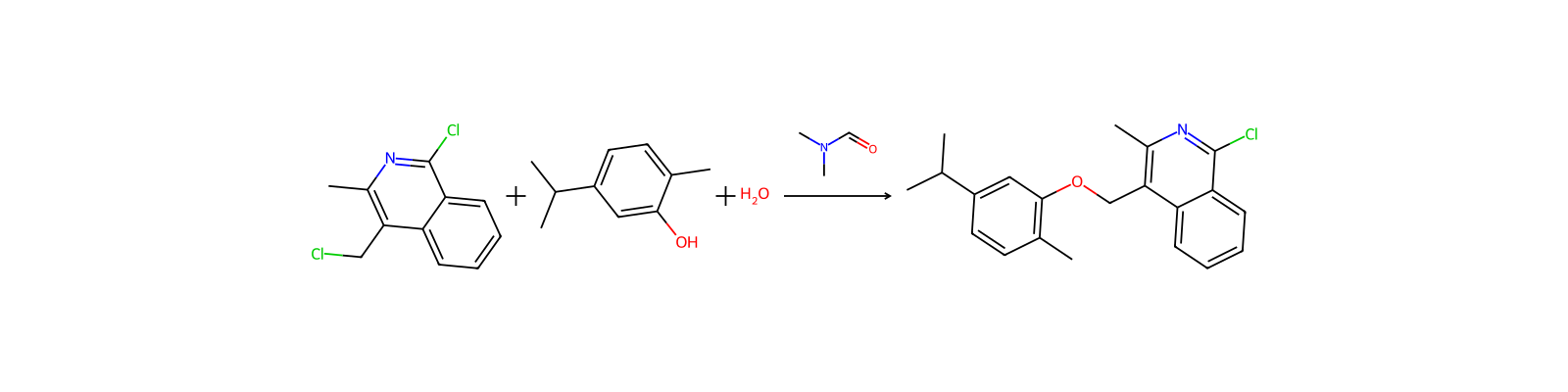
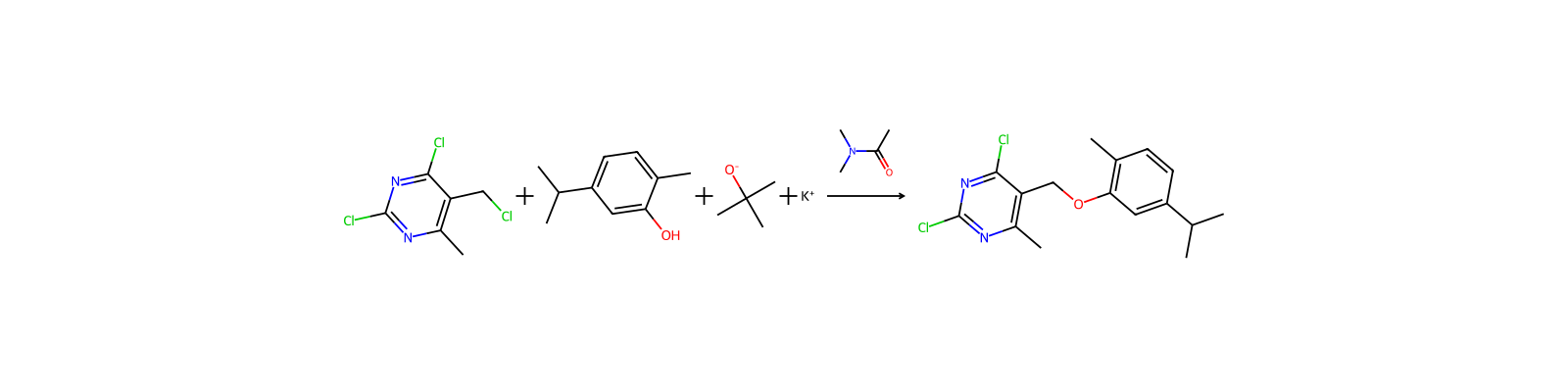
13 件




関連ノート
読み込み中…