ホームMCPワークベンチSkills
ホームワークベンチ通知マイページ
llms.txt · MCPガイドプライバシーポリシー · 利用規約 · サポートv1.8.0
  1. ホーム
  2. /化合物

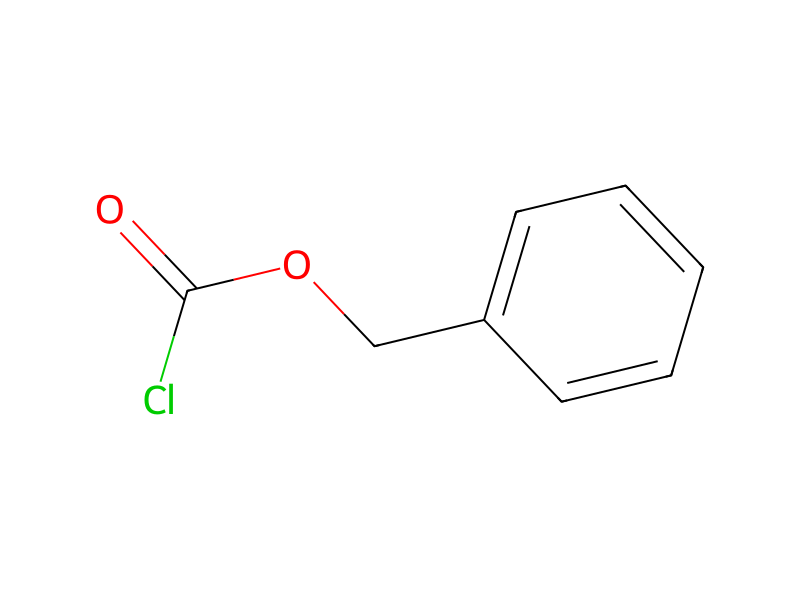
クロロぎ酸ベンジル

Benzyl chloroformate

HCID 10387
ノートを作成反応を作成見積依頼を出す
印刷プレビュー

データを補完しています。しばらくしてからページを更新すると最新の内容を表示できます
基本情報概要名称と識別子物性安全と法規制化学と産業関連反応化合物ノート
部分構造検索類似構造を探す

基本情報

CAS
501-53-1
標準SMILES
O=C(Cl)OCc1ccccc1
InChIKey
HSDAJNMJOMSNEV-UHFFFAOYSA-N
分子式
C8H7ClO2
平均分子量
170.59 g/mol
単同位体質量
170.01345714

概要

Benzyl chloroformate appears as a colorless liquid with an acrid odor. Vapors irritate eyes and mucous membranes. Corrosive to metals and tissue. Long-term inhalation of low concentrations or short-term inhalation of high concentrations can result in adverse health effects.

名称と識別子

優先名称
Benzyl chloroformate
IUPAC
benzyl carbonochloridate
現地名
クロロぎ酸ベンジル
英語名
Benzyl chloroformate
分子式
C8H7ClO2
分子量
170.59

名称と別名

BENZYL CHLOROFORMATE501-53-1Benzyl carbonochloridateCarbobenzoxy chlorideBenzyl chlorocarbonateBenzylcarbonyl chlorideBenzyloxycarbonyl chlorideCarbobenzyloxy chlorideCarbonochloridic acid, phenylmethyl esterChloroformic Acid Benzyl EsterChloroformic acid, benzyl esterBenzylcarbonochloridate
名称をさらに表示
クロロぎ酸ベンジル (30-35%トルエン溶液)カルボベンゾキシクロリドベンジルカルボニルクロリドクロロ炭酸ベンジル(ベンジルオキシ)ぎ酸クロリドCbzクロリドクロリド炭酸ベンジルベンジルオキシぎ酸クロリドクロロ酸ベンジルエステルベンジルクロロホルメートクロロギ酸ベンジル 塩化物クロロ炭酸ベンジルエステルベンジルクロロホルメトCbzクロリド (30-35%トルエン溶液)カルボベンゾキシクロリド (30-35%トルエン溶液)クロロ蟻酸ベンジルクロロ蟻酸ベンジル (30-35%トルエン溶液)クロル炭酸ベンジルカルボベンゾキシクロリド 50%トルエン溶液クロロぎ酸ベンジル 50%トルエン溶液CBZBCFZ-CLBenzyl ChlorofomateCBZCIZ-CHLORIDE
Formic acid, chloro-, benzyl esterDTXSID9027158170BP0DD31NSC-83466DTXCID607158RefChem:118863207-925-0Cbz chloride

データベース識別子

CAS
501-53-1
PubChem CID
10387
DTXSID
DTXSID9027158
ChEMBL
CHEMBL1581748
UNII
170BP0DD31
EC Number
207-925-0
Nikkaji
J6.192A

物性

構造計算による物性補完中

XLogP
3
極性表面積
26.3 Ų
水素結合供与体数
0
水素結合受容体数
2
回転可能結合数
3
重原子数
11
形式電荷
0
複雑度
130

実験および物理化学的性質

Chemical Classes · 2 件

Toxic Gases & Vapors -> Acid Halides

Corrosives

SpringerMaterials PropertiesChemical shift
Odor · 3 件

ACRID ODOR

ODOR OF PHOSGENE

SHARP, PENETRATING ODOR

Density · 4 件

1.22 at 68 °F (USCG, 1999) - Denser than water; will sink

1.2166 20 °C/4 °C

Relative density (water = 1): 1.20

1.2166 @ 20°C

Viscosity2.57 mPa-s (cP) @ 20 °C
Color/Form · 2 件

OILY LIQUID

COLORLESS TO PALE YELLOW LIQUID

Solubility · 2 件

SOL IN ETHER, ACETONE, BENZENE

Solubility in water: reaction

CorrosivityCorrosive
Flash Point · 4 件

227 °F Vigorous decomposition occurs at these temperatures; thus these values are anomalous due to the effect of the decomp. products (benzyl chloride and CO2). (USCG, 1999)

[HSDB] 80 °C

安全と法規制

安全情報は参考情報です。供給元の安全データシート(SDS)、適用法令、専門家による評価に代わるものではありません。

GHS分類

GHS Classification · 6 件

Danger

H314: Causes severe skin burns and eye damage [Danger Skin corrosion/irritation]

P260, P264, P273, P280, P301+P330+P331, P302+P361+P354, P304+P340, P305+P354+P338, P316, P321, P363, P391, P405, and P501 (click each P-code to see the statement)

This chemical does not meet GHS hazard criteria for 0.6% (1 of 173) of reports.

Danger

H314 (99.4%): Causes severe skin burns and eye damage [Danger Skin corrosion/irritation]

危険有害性情報

Regulatory Information · 5 件

Chemical: Carbonochloridic acid, phenylmethyl ester

Carbonochloridic acid, phenylmethyl ester is listed on the EPA's Chemical Data Reporting (CDR) system. Manufacturers and importers of Carbonochloridic acid, phenylmethyl ester are required to report information about their production and use of this chemical to the EPA under the Toxic Substances Control Act (TSCA). (40 eCFR Part 711)

Status: Active Update: 02-03-2017 https://echa.europa.eu/registration-dossier/-/registered-dossier/12078

Benzyl chloroformate: Does not have an individual approval but may be used under an appropriate group standard

The New Jersey Worker and Community Right to Know Act requires public and private employers to provide information about hazardous substances at their workplaces. (N.J.S.A. 34:5A-1 et. seq.)

Other Safety InformationEvaluation - Chemicals that are unlikely to require further regulation to manage risks to human health
DOT LabelCorrosive
Fire Hazards · 3 件

Special Hazards of Combustion Products: Toxic phosgene, hydrogen chloride, and benzyl chloride vapors may form.

· EXCEPT FOR ACETIC ANHYDRIDE (UN1715), THAT IS FLAMMABLE, some of these materials may burn, but none ignite readily.

Combustible. Gives off irritating or toxic fumes (or gases) in a fire.

化学と産業

用途と製造

Uses · 3 件

Used to make pharmaceuticals and other chemicals; [HSDB]

In peptide synthesis to block the amino group.

Reactive intermediate to pharmaceuticals and other chemicals.

ImpuritiesMay contain 3% or less benzyl chloride
U.S. Production2023: 631,297 lb
Consumption PatternsAPPROX 100% AS A REAGENT IN /PRC: ORGANIC/ SYNTHESIS
Consumer UsesTerminator/Blocker
Industry UsesTerminator/Blocker
Methods of Manufacturing/IT IS PREPARED/ ... BY ACTION OF PHOSGENE ABSORBED IN TOLUENE ON BENZYL ALCOHOL: CARTER ET AL, ORG SYN 23, 13 (1943); BY REACTING CARBONYL CHLORIDE & BENZYL ALCOHOL @ -20 TO -30 °C
Formulations/Preparations · 4 件

GRADE OR PURITY: 97+%

Typical specifications of commercial chloroformates: purity, 98%; phosgene, <0.1%, iron, <10 ppm; acidity as HCl, <0.1%; alcohol or phenol, <2% /Chloroformic esters/

Commercial products have concentrations of 97-99 wt% /Chloroformic esters/

97%; 50 wt% in toluene

General Manufacturing Information · 3 件

Pharmaceutical and Medicine Manufacturing

Carbonochloridic acid, phenylmethyl ester: ACTIVE

Most chloroformate production is used captively and production figures are not available /Chloroformic esters/

応用分野 · 5 件

用途ペプチド合成用

有機過酸化物(重合触媒)?樹脂改質剤?医薬?農薬原料 、ペプチド合成時のアミノ基ブロック剤

関連反応

4,213 件
反応記録を作成
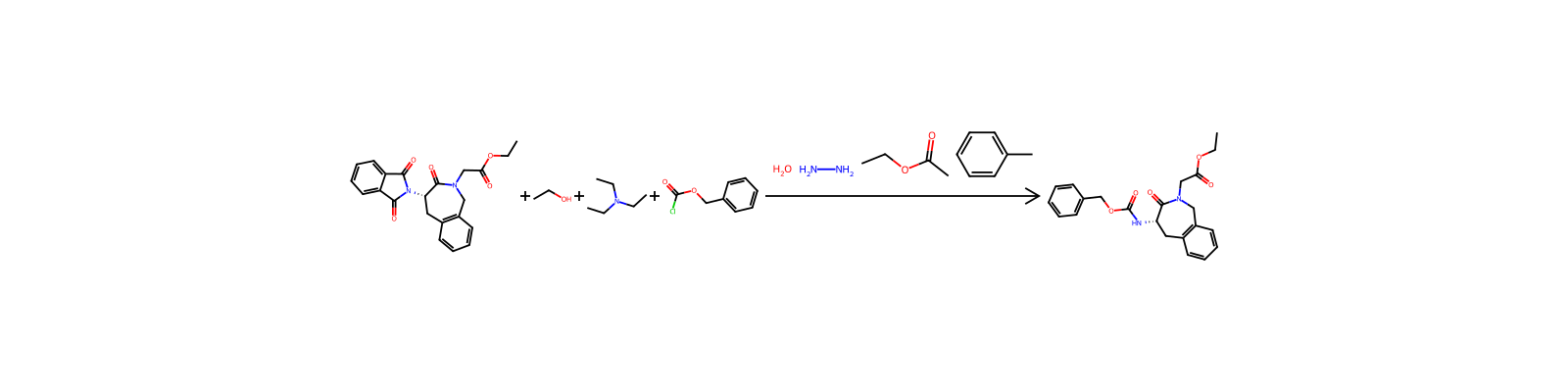
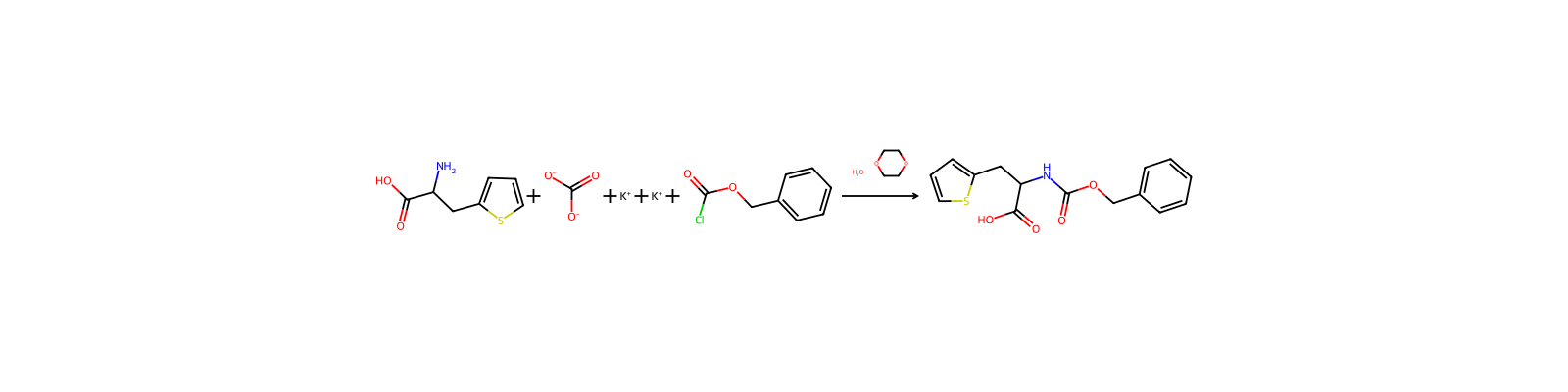
HRID 856 の反応式
HRID 856反応物としてuspto-grants-1998_03
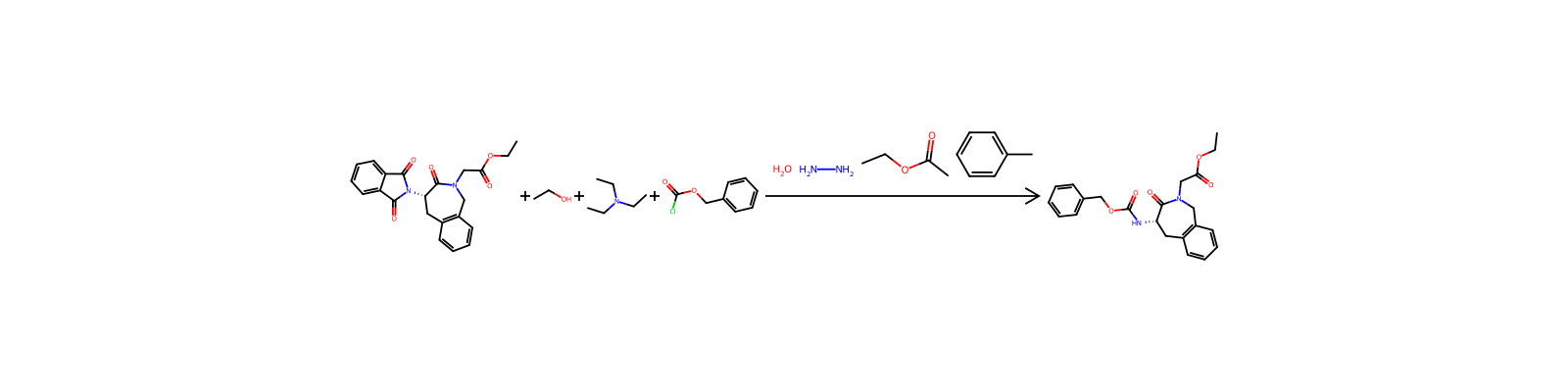
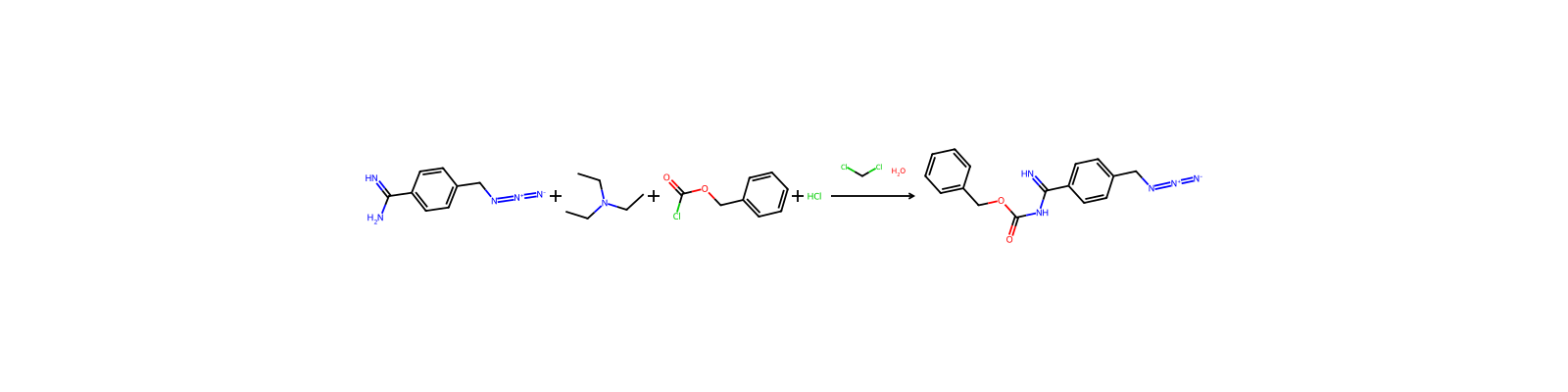
HRID 1076 の反応式
HRID 1076反応物としてuspto-grants-1998_03
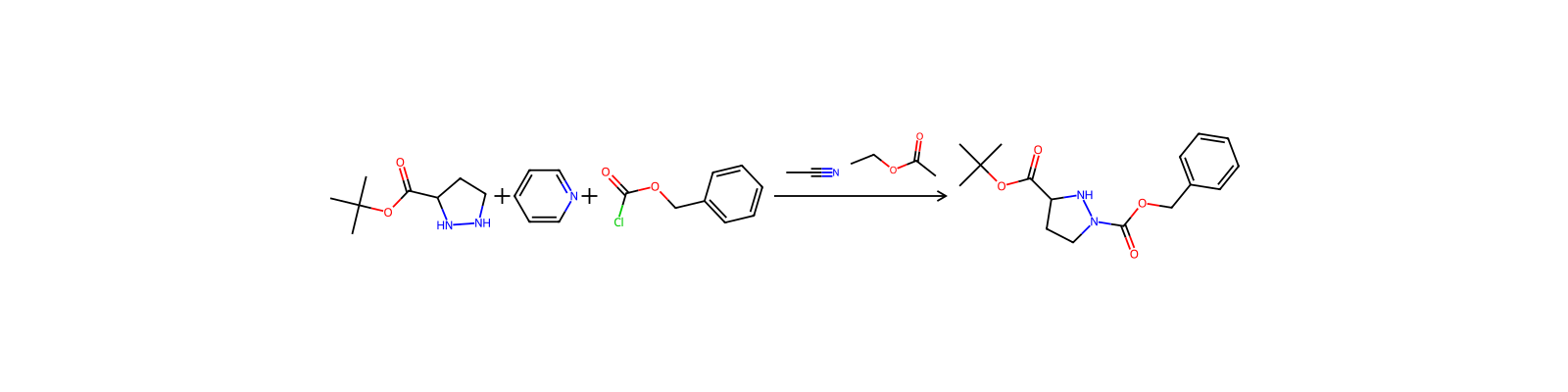
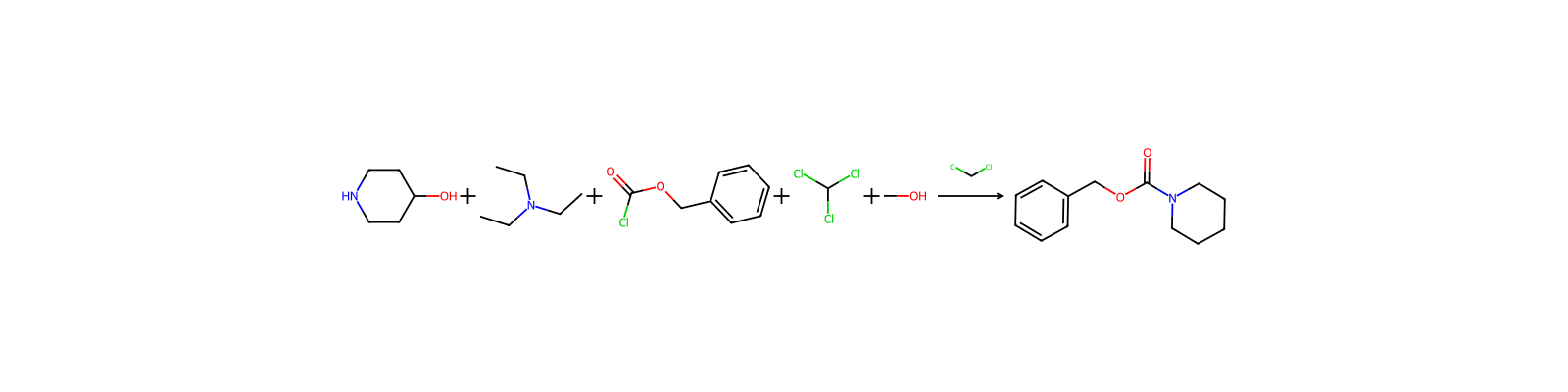
HRID 1186 の反応式
HRID 1186反応物としてuspto-grants-1998_03
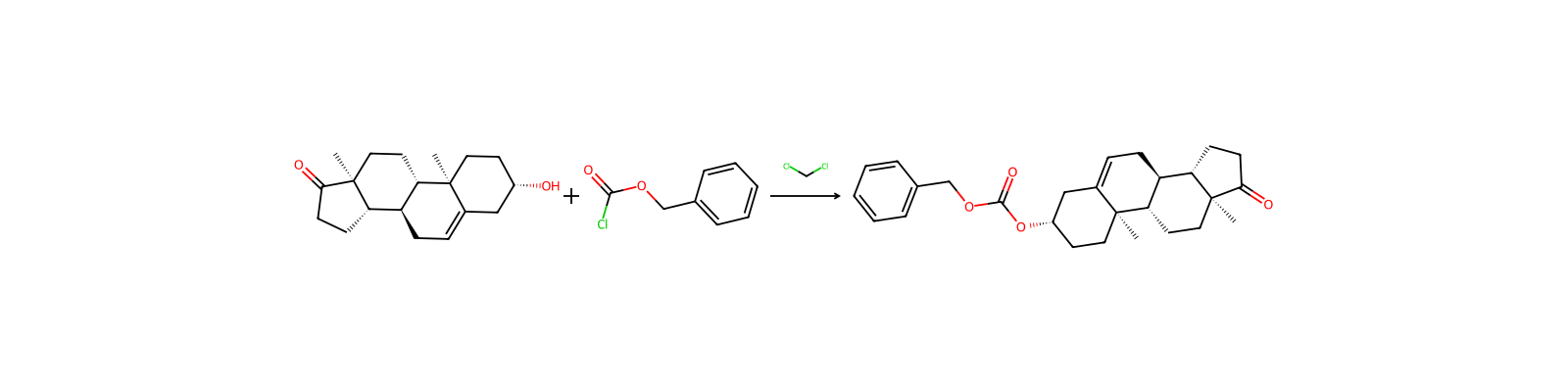
HRID 1318 の反応式
HRID 1318反応物としてuspto-grants-1998_03
HRID 1330 の反応式
HRID 1330反応物としてuspto-grants-1998_03
HRID 1842 の反応式
HRID 1842反応物としてuspto-grants-1998_03
HRID 1983 の反応式
HRID 1983反応物としてuspto-grants-1998_03
HRID 3672 の反応式
HRID 3672反応物としてuspto-grants-1998_03
1 / 500 ページ

化合物ノート

読み込み中…

このページの内容基本情報概要名称と識別子物性安全と法規制化学と産業関連反応化合物ノート
その他の操作
ノートを作成反応を作成見積依頼を出す

176 °F OC; 227 °F CC

80.0 °C c.c.

Boiling Point · 3 件

306 °F at 760 mmHg (decomposes) (USCG, 1999)

152 °C AT 760 MM HG

152 °C @760 [mm Hg]

Decomposition · 3 件

EMITS HIGHLY TOXIC PHOSGENE FUMES WHEN HEATED TO 100 °C.

DANGEROUS; WHEN HEATED TO DECOMP ... THEY EVOLVE HIGHLY TOXIC /HYDROGEN/ CHLORIDE FUMES. /CHLORIDES/

>100 °C

Melting Point0 °C

物理化学的性質

融点
-20 °C · -20 °C
沸点
103 °C20 · 103 °C20 mm Hg(lit.)
比重(密度)
1.212 g/mL · 1.212 g/mL at 20 °C
蒸気密度
1 · 1 (vs air)
蒸気圧
1.39 psi · 1.39 psi ( 20 °C)
屈折率
20 · n20/D 1.519(lit.)
闪点
197 °F · 197 °F
貯蔵温度
2 °C · Store at +2°C to +8°C.
溶解性
エーテル、アセトン、ベンゼンと混和します。
外見
解決
色
クリアー ほんのりイエロー~ほんのりピンク
臭い (Odor)
イライラする;鋭い、貫く。
水溶解度
分解する
Merck
14 · 14,1801
安定性
安定。水、酸化剤と相容れない。可燃性。
InChI
1S/C8H7ClO2/c9-8(10)11-6-7-4-2-1-3-5-7/h1-5H,6H2
InChIKey
HSDAJNMJOMSNEV-UHFFFAOYSA-N
SMILES
ClC(=O)OCc1ccccc1
CAS データベース
501 · 501-53-1(CAS DataBase Reference)
NISTの化学物質情報
Benzyl chloroformate(501-53-1)
EPAの化学物質情報
Carbonochloridic acid, phenylmethyl ester (501-53-1)

化学的性質

化学的特性colorless or light yellow oily liquid with rancid odor. soluble in ether, acetone, benzene and other organic solvents. It is used to protect amino groups in peptide synthesis.

Fire PotentialCOMBUSTIBLE
Health Hazards · 2 件

Inhalation causes mucous membrane irritation. Eyes are irritated by excessive exposure to vapor. Liquid causes severe irritation of eyes and irritates skin. Ingestion causes irritation of mouth and stomach. (USCG, 1999)

· CORROSIVE and/or TOXIC; inhalation, ingestion or contact (skin, eyes) with vapors, dusts or substance may cause severe injury, burns or death.

Hazards SummaryCorrosive to skin; [Quick CPC] A skin, eye, and respiratory tract irritant; Lacrimator; [HSDB] A corrosive substance that causes lacrimation and may cause lung edema after inhalation of high concentrations; [ICSC] See CHLOROFORMATES.
DOT ID and Guide1739 137
Reactive GroupAcyl Halides, Sulfonyl Halides, and Chloroformates
EC ClassificationSymbol: C, N; R: 34-50/53; S: (1/2)-26-45-60-61
UN ClassificationUN Hazard Class: 8; UN Pack Group: I
Reactivity AlertsWater-Reactive

安全と保護具

Fire Fighting · 2 件

Excerpt from ERG Guide 137 [Substances - Water-Reactive - Corrosive]:

Use dry powder, foam, carbon dioxide.

First Aid Measures · 4 件

Fresh air, rest. Half-upright position. Artificial respiration may be needed. Refer for medical attention.

Remove contaminated clothes. Rinse skin with plenty of water or shower.

First rinse with plenty of water for several minutes (remove contact lenses if easily possible), then refer for medical attention.

Do NOT induce vomiting. Give one or two glasses of water to drink. Refer for medical attention .

Accidental Release Measures · 2 件

· CALL 911. Then call emergency response telephone number on shipping paper. If shipping paper not available or no answer, refer to appropriate telephone number listed on the inside back cover.

· Do not touch damaged containers or spilled material unless wearing appropriate protective clothing.

First Aid · 2 件

INHALATION: remove from exposure; support respiration; call physician.

General First Aid:

Safe StorageSeparated from food and feedstuffs. Dry. Well closed.
Exposure Control and Personal Protection· Wear positive pressure self-contained breathing apparatus (SCBA).
Fire Fighting Procedures · 2 件

EXTINGUISH WITH DRY CHEMICALS, FOAM OR CARBON DIOXIDE.

If material on fire or involved in fire: Use dry chemical, dry sand, or carbon dioxide. Do not use water on material itself. If large quantities of combustibles are involved, use water in flooding quantities as spray and fog. Use water spray to knock-down vapors. Cool all affected containers with flooding quantities of water. Apply water from as far a distance as possible.

Nonfire Spill ResponseExcerpt from ERG Guide 137 [Substances - Water-Reactive - Corrosive]:
Spillage Disposal · 1 件

Collect leaking and spilled liquid in sealable containers as far as possible. Carefully collect remainder. Then store and dispose of according to local regulations. Personal protection: complete protective clothing including self-contained breathing apparatus.

Preventive Measures · 2 件

If material not on fire and not involved in fire: Keep sparks, flames, and other sources of ignition away. Keep material out of water sources and sewers. Build dikes to contain flow as necessary. Use water spray to knock-down vapors. Do not use water on material itself. Neutralize spilled material with crushed limestone, soda ash, or lime.

Personnel protection: Avoid breathing vapors. Keep upwind. Wear positive pressure self-contained breathing apparatus. Avoid bodily contact with the material. Wear appropriate chemical protective gloves, boots and goggles. Do not handle broken packages unless wearing appropriate personal protective equipment Wash away any material which may have contacted the body with copious amounts of water or soap and water. If contact with the material anticipated, wear appropriate chemical protective clothing.

Isolation and Evacuation · 2 件

Excerpt from ERG Guide 137 [Substances - Water-Reactive - Corrosive]:

Immediate precautionary measure

Eye PreventionWear face shield or eye protection in combination with breathing protection.

毒性情報

Adverse EffectsDermatotoxin - Skin burns.
Exposure RoutesThe substance can be absorbed into the body by inhalation and by ingestion.
Signs and Symptoms · 4 件

Cough. Shortness of breath. Sore throat. Laboured breathing.

Skin burns.

Watering of the eyes. Severe deep burns.

Burning sensation. Abdominal pain. Shock or collapse.

Human Toxicity Excerpts · 2 件

... LACRIMATOR.

INHALATION CAUSES MUCOUS MEMBRANE IRRITATION. EYES ARE IRRITATED BY EXCESSIVE EXPOSURE TO VAPOR. LIQ CAUSES IRRITATION OF EYES & IRRITATES SKIN. INGESTION CAUSES IRRITATION OF MOUTH & STOMACH.

Toxicity DataLC50 (rat) = 590 mg/m3/4h

安全データ

F
19
wgk
3
tsca
TSCA listed
rtecs
LQ5860000
ridadr
UN 1739
毒性
LD50 orally in Rabbit: 3000 mg/kg
PRTR法
第一種指定化学物質
hs_code
2915 90 70
risk_code
45-20-34-48/22-50/53-67-65-63-48/20-11-43-37-23
化審法
(3)-1835, (3)-2885
安衛法
有機則 第二種有機溶剤等
消防法
危-4-3-III
hazard_code
T,C,N,F
safety_code
53-26-36/37/39-45-60-61-62-46-36/37
hazard_class
8
packing_group
I
自然発火温度
590 °C
Hazard Classifications
Aquatic Acute 1Aquatic Chronic 1Carc. 1BEye Dam. 1Skin Corr. 1BSTOT SE 3
ストレージクラス
6.1C - Combustible, acute toxic Cat.3toxic compounds or compounds which causing chronic effects
有毒物質データの
501-53-1(Hazardous Substances Data)
用途

説明Benzyl chloroformate, also known as benzyl chlorocarbonate or Z-chloride, is the benzyl ester of chloroformic acid. It can be also described as the chloride of the benzyloxycarbonyl (Cbz or Z) group. In its pure form it is a water-sensitive oily colorless liquid, although impure samples usually appear yellow. It possesses a characteristic pungent odor and degrades in contact with water. The compound was first prepared by Leonidas Zervas in the early 1930s who used it for the introduction of the benzyloxycarbonyl protecting group, which became the basis of the Bergmann-Zervas carboxybenzyl method of peptide synthesis he developed with Max Bergmann. This was the first successful method of controlled peptide chemical synthesis and for twenty years it was the dominant procedure used worldwide until the 1950s. To this day, benzyl chloroformate is often used for amine group protection.

使用Benzyl chloroformate is widely used as a reactive chemical intermediate in plastic, pharmaceutical, agricultural and organic chemicals. It is useful for the introduction of carboxybenzyl (cbz) protecting group for amines such as aniline in organic synthesis. It is also involved in the synthesis of 1,2,4-oxadiazoles.

一般的な説明Benzyl chloroformate appears as a colorless liquid with an acrid odor. Vapors irritate eyes and mucous membranes. Corrosive to metals and tissue. Long-term inhalation of low concentrations or short-term inhalation of high concentrations can result in adverse health effects.

調製方法 · 2 件

製造方法Benzyl chloroformate is prepared in the lab by treating benzyl alcohol with phosgene:PhCH2OH + COCl2→ PhCH2OC(O)Cl + HClPhosgene is used in excess to minimise the production of the carbonate (PhCH2O)2C=O.The use of phosgene gas in the lab preparation carries a very large health hazard, and has been implicated in the chronic pulmonary disease of pioneers in the usage of the compound such as Zervas.

純化方法The commercial material is usually better than 95% pure and may contain some toluene, benzyl alcohol, benzyl chloride and HCl. After long storage (e.g. two years at 4o, Greenstein and Winitz [The Chemistry of the Amino Acids Vol 2 p. 890, J Wiley and Sons NY, 1961] recommended that the liquid should be flushed with a stream of dry air, filtered and stored over sodium sulfate to remove CO2 and HCl which are formed by decomposition. It may further be distilled from an oil bath at a temperature below 85o because Thiel and Dent [Annalen 301 257 1898] stated that benzyloxycarbonyl chloride decarboxylates to benzyl chloride slowly at 100o and vigorously at 155o. Redistillation at higher vacuum below 85o yields material which shows no other peaks than those of benzyloxycarbonyl chloride by NMR spectroscopy. [Beilstein 6 IV 2278.] LACHRYMATORY and TOXIC.

上流・下流製品情報

上流原料

(トリクロロメトキシ)ぎ酸クロリド塩化カルボニルベンジルアルコール

下流製品

2-(Boc-aminomethyl)-piperidine4-(ブロモメチル)テトラヒドロ-1(2H)-ピリジンカルボン酸ベンジルアズトレオナム1-METHYL-[4,4']BIPIPERIDINYLβ-アラニンTERT-ブチルエステル塩酸塩クラリスロマイシンリシノプリル二水和物N-カルボベンゾキシグリシンN-(4-ピペリジニルメチル)カルバミン酸TERT-ブチルH-GLY-AMC臭化水素酸塩1-メチルピペラジン-2-オンカルバミン酸ベンジルカルモナム1H-Azepine-3-carboxylicacid,hexahydro-,methylester(9CI)カプトプリル(3R)-(+)-1-(tert-ブトキシカルボニル)-3-アミノピロリジンプロカルバジン塩酸塩2-PIPERAZIN-1-YL-ACETAMIDEHYDROCHLORIDE(R)-4-Boc-Piperazine-3-carboxylic acidN-1-BOC-N-4-CBZ-2-PIPERAZINECARBOXYLIC ACID T-BUTYL ESTER1-(N-メチルピペリジン-3-イル-メチル)ピペラジン3-ヒドロキシプロピルカルバミド酸ベンジルベンジル 1-ホモピペラジンカルボキシラート1-カルボベンゾキシ-4-ピペリジンカルボン酸1-カルボベンゾキシピペラジン3-O-メチルドーパミン塩酸塩