ホームMCPワークベンチSkills
ホームワークベンチ通知マイページ
llms.txt · MCPガイドプライバシーポリシー · 利用規約 · サポートv1.8.0
  1. ホーム
  2. /化合物

アミノピリジン

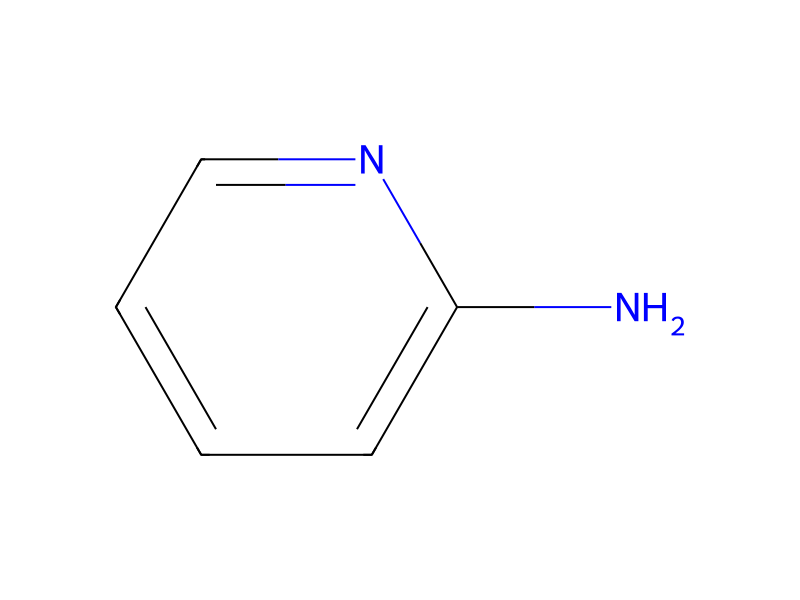
2-Aminopyridine

HCID 10439
ノートを作成反応を作成見積依頼を出す
印刷プレビュー

データを補完しています。しばらくしてからページを更新すると最新の内容を表示できます
基本情報概要名称と識別子物性安全と法規制化学と産業関連反応化合物ノート
部分構造検索類似構造を探す

基本情報

CAS
24843-39-8
標準SMILES
Nc1ccccn1
InChIKey
ICSNLGPSRYBMBD-UHFFFAOYSA-N
分子式
C5H6N2
平均分子量
94.11 g/mol
単同位体質量
94.05309819

概要

2-aminopyridine appears as white powder or crystals or light brown solid. (NTP, 1992)

名称と識別子

優先名称
2-Aminopyridine
IUPAC
pyridin-2-amine
現地名
アミノピリジン
英語名
Pyridinamine.
分子式
C5H6N2
分子量
94.12

名称と別名

2-AMINOPYRIDINE504-29-0pyridin-2-amine2-Pyridinamine2-Pyridylamineo-AminopyridinePyridine, 2-amino-Amino-2 pyridine1,2-Dihydro-2-iminopyridinealpha-Pyridinaminealpha-Pyridylaminealpha-Aminopyridine
名称をさらに表示
アミノピリジンPyridinamine.
DTXSID0024505WSX981HEWUNSC-431DTXCID404505ortho-aminopyridineAMINO-2-PYRIDINERefChem:909630207-988-4

データベース識別子

CAS
24843-39-8、26445-05-6、504-29-0
PubChem CID
10439
DTXSID
DTXSID0024505
ChEMBL
CHEMBL21619
UNII
WSX981HEWU
EC Number
207-988-4
Nikkaji
J1.569E

物性

構造計算による物性補完中

XLogP
0.5
極性表面積
38.9 Ų
水素結合供与体数
1
水素結合受容体数
2
回転可能結合数
0
重原子数
7
形式電荷
0
複雑度
54

実験および物理化学的性質

Chemical Classes · 2 件

Nitrogen Compounds -> Pyridines

Flammable agents - 2nd degree

pHBASE
SpringerMaterials PropertiesMolecular structure
LogP · 2 件

log Kow= 0.48

0.49

OdorCharacteristic odor
Density · 2 件

1.065 @ 20 °C/4 °C

1.07 @25 °C

Color/Form · 4 件

White leaflets or large colorless crystals

WHITE POWDER OR CRYSTALS

White powder, leaflets, or crystals.

Leaflets, or large crystals

Solubility · 6 件

10 to 50 mg/mL at 66 °F (NTP, 1992)

Soluble in alcohol, benzene, ether, and hot petrol ether

>100 g/100 g water @ 20 °C

Soluble in ethanol, ethyl ether, and acetone

Water solubility: >100g/100mL at 20 °C

Solubility in water: very good

Flash Point · 6 件

198 °F (NTP, 1992)

198 ° F

安全と法規制

安全情報は参考情報です。供給元の安全データシート(SDS)、適用法令、専門家による評価に代わるものではありません。

GHS分類

GHS Classification · 6 件

This chemical does not meet GHS hazard criteria for 1.3% (2 of 156) of reports.

Danger

H301 (98.7%): Toxic if swallowed [Danger Acute toxicity, oral]

P261, P262, P264, P264+P265, P270, P271, P273, P280, P301+P316, P302+P352, P304+P340, P305+P351+P338, P316, P317, P319, P321, P330, P332+P317, P337+P317, P361+P364, P362+P364, P391, P403+P233, P405, and P501 (click each P-code to see the statement)

Aggregated GHS information provided per 156 reports by companies from 24 notifications to the ECHA C&L Inventory. Each notification may be associated with multiple companies.

Danger

危険有害性情報

Regulatory Information · 4 件

Chemical: 2-Pyridinamine

Status: Active Update: 25-02-2021 https://echa.europa.eu/registration-dossier/-/registered-dossier/21500

2-Aminopyridine: Does not have an individual approval but may be used under an appropriate group standard

The New Jersey Worker and Community Right to Know Act requires public and private employers to provide information about hazardous substances at their workplaces. (N.J.S.A. 34:5A-1 et. seq.)

DOT Label · 2 件

Poison

Poison

Fire Hazards · 4 件

This chemical is combustible. (NTP, 1992)

Excerpt from ERG Guide 153 [Substances - Toxic and/or Corrosive (Combustible)]:

· Combustible material: may burn but does not ignite readily.

Combustible. Gives off irritating or toxic fumes (or gases) in a fire. Finely dispersed particles form explosive mixtures in air.

Health Hazards · 3 件

Excerpt from NIOSH Pocket Guide for 2-Aminopyridine:

Excerpt from ERG Guide 153 [Substances - Toxic and/or Corrosive (Combustible)]:

· TOXIC and/or CORROSIVE; inhalation, ingestion or skin contact with material may cause severe injury or death.

化学と産業

薬理情報

Mechanism of Action · 3 件

AMINOPYRIDINES @ CONCN ABOVE 1X10⁻⁵ MOLAR CAUSED CONTRACTIONS OF GUINEA PIG ILEUM. AMINOPYRIDINES MAY ACT ON CHOLINERGIC NERVES IN ILEUM, CAUSING INCR RELEASE OF ACETYLCHOLINE BY FACILITATING CALCIUM MOVEMENT, NOT BLOCKING POTASSIUM CONDUCTANCE.

THE EFFECTS OF 2-, 3-, AND 4-AMINOPYRIDINES WERE INVESTIGATED ON THE ISOLATED CHICK NERVE-MUSCLE PREPARATION AND ON NERVE-FREE CELL CULTURES OF EMBRYONIC CHICK SKELETAL MUSCLE. ALL 3 COMPOUNDS REVERSED TUBOCURARINE BLOCKADE & AUGMENTED TWITCH HEIGHT IN INDIRECTLY STIMULATED ISOLATED NERVE-MUSCLE PREPN. THE AMINOPYRIDINES MAY FACILITATE NEUROMUSCULAR TRANSMISSION BY INCR ACETYLCHOLINE RELEASE IN RESPONSE TO NERVE STIMULATION.

2-AMINOPYRIDINE BLOCKED POTASSIUM CHANNELS OF SQUID AXON MEMBRANES IN MANNER DEPENDENT ON MEMBRANE POTENTIAL & DURATION & FREQUENCY OF VOLTAGE CLAMP PULSES. BINDING IS TO CLOSED K CHANNELS, RELEASED FROM OPEN CHANNELS IN VOLTAGE-DEPENDENT MANNER.

Metabolism/Metabolites · 1 件

Rats were fed 100 or 1000 ppm methapyrilene in their diet for 1, 2, 4, 8 or 16 weeks. Liver microsomes were prepared from both control and treated rats. After incubation with 1 mM methapyrilene, eight metabolites were detected and six were quantitated. /One/ ... metabolites /was/ identified as ... 2-aminopyridine. ...

MeSH Pharmacological Classification · 1 件

Chemicals that emit light after excitation by light. The wave length of the emitted light is usually longer than that of the incident light. Fluorochromes are substances that cause fluorescence in other substances, i.e., dyes used to mark or label other compounds with fluorescent tags.

Absorption, Distribution and Excretion · 3 件

It may enter the body through the skin.

PYRIDINE & ITS ALKYL DERIVATIVES ARE ABSORBED FROM GI TRACT, INTRAPERITONEAL CAVITY & LUNGS. PERITONEAL ABSORPTION IS APPARENTLY ONLY SLIGHTLY MORE RAPID & COMPLETE THAN GI ABSORPTION... IN GENERAL THE BASES ARE RAPIDLY ABSORBED THROUGH INTACT SKIN. /ALKYL DERIVATIVES OF PYRIDINE/

MAJORITY OF /PYRIDINE/ DERIVATIVES TESTED ... PENETRATE INTACT GUINEA PIG SKIN READILY. AMINOPYRIDINES, VINYLPYRIDINES & 4-PICOLINE PENETRATE SKIN MOST RAPIDLY & AMYL DERIV & 5-ETHYL-2-METHYLPYRIDINE ARE LEAST READILY ABSORBED. /AMINOPYRIDINES/

関連反応

1,193 件
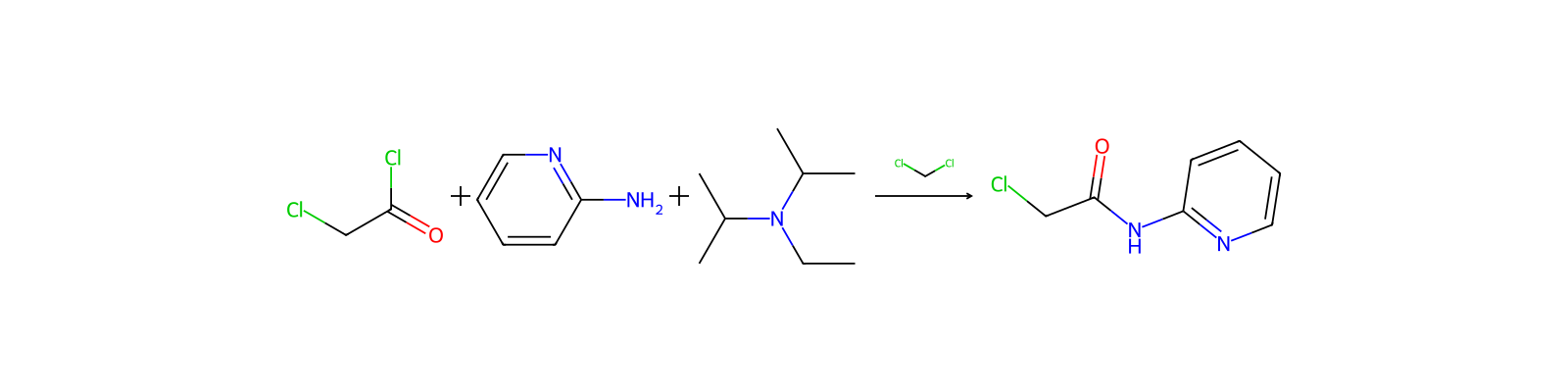
反応記録を作成
HRID 668 の反応式
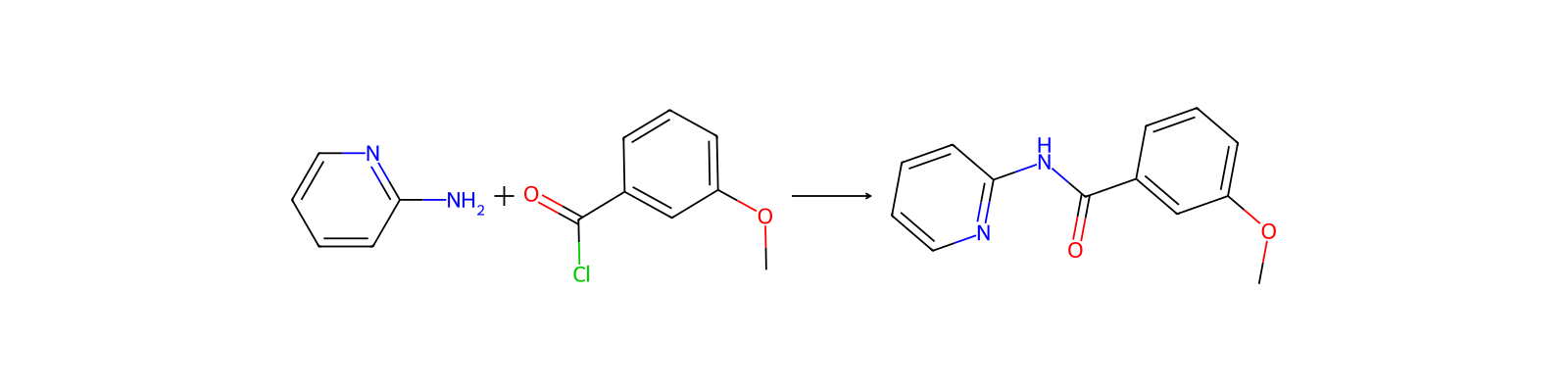
HRID 668反応物として750 AstraZeneca ELN dataset
HRID 897 の反応式
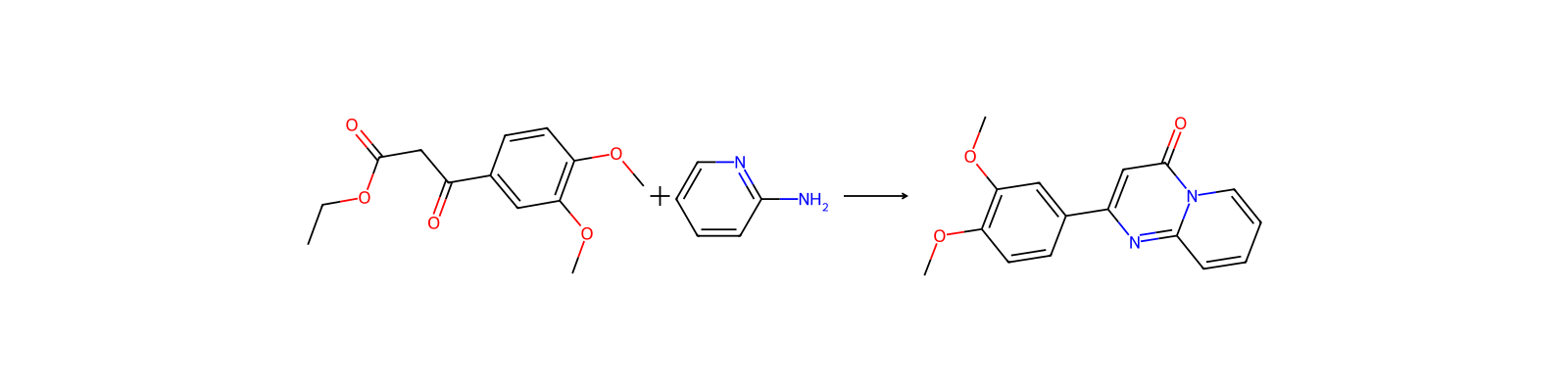
HRID 897反応物としてuspto-grants-1998_03
HRID 2419 の反応式
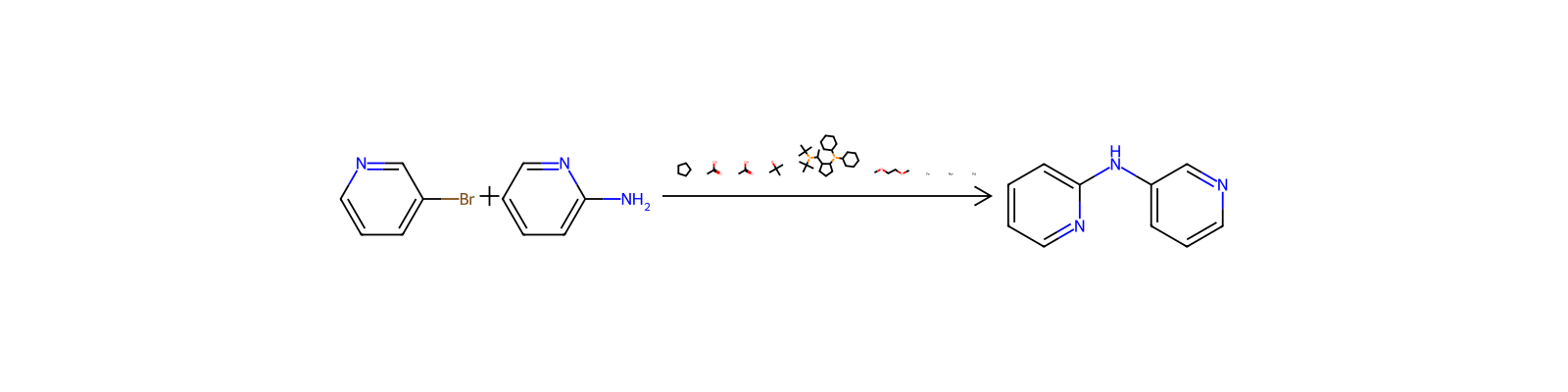
HRID 2419反応物としてuspto-grants-1998_03
HRID 4324 の反応式
HRID 4324反応物としてuspto-grants-1988_02
HRID 5150 の反応式
HRID 5150反応物としてuspto-grants-1993_09
HRID 5151 の反応式
HRID 5151反応物としてuspto-grants-1993_09
HRID 6213 の反応式
HRID 6213反応物としてuspto-grants-1993_09
HRID 7185 の反応式
HRID 7185反応物としてuspto-grants-2006_08
1 / 150 ページ

化合物ノート

読み込み中…

このページの内容基本情報概要名称と識別子物性安全と法規制化学と産業関連反応化合物ノート
その他の操作
ノートを作成反応を作成見積依頼を出す

68 °C, 154 °F (closed cup)

68 °C c.c.

198 °F

154 °F

Boiling Point · 6 件

399 to 410 °F at 760 mmHg (NTP, 1992)

210.6 °C

Boiling point: 104-106 °C @ 20 mm Hg

211 °C

411 °F

210.6 °C @760 [mm Hg]

DecompositionDANGEROUS; WHEN HEATED TO DECOMP IT EMITS HIGHLY TOXIC FUMES OF /NITROGEN OXIDES/.
Melting Point · 6 件

138 to 140 °F (NTP, 1992)

58.1 °C

58 °C

137 °F

58.1 °C

137 °F

物理化学的性質

沸点
165.6 °C · 165.6°C (rough estimate)
比重(密度)
1.0068 · 1.0068 (rough estimate)
屈折率
1.5 · 1.5000 (estimate)
EPAの化学物質情報
Pyridinamine (26445-05-6)
Hazards Summary · 1 件

A chemical plant worker died after a spill which contaminated his clothing. He did not remove his clothing, and symptoms began about 2 hours after the exposure with headache and dizziness followed by respiratory distress and convulsions. [ACGIH] See Pyridine.

DOT ID and Guide · 2 件

2671 153

2671 153

Reactive Group · 2 件

Amines, Phosphines, and Pyridines

Amines, Phosphines, and Pyridines

UN ClassificationUN Hazard Class: 6.1; UN Pack Group: II
OSHA StandardsPermissible Exposure Limit: Table Z-1 8-hr Time Weighted Avg: 0.5 ppm (2 mg/cu m), skin.
Reactivity Profile · 2 件

2-AMINOPYRIDINE neutralizes acids in exothermic reactions to form salts plus water. May be incompatible with isocyanates, halogenated organics, peroxides, phenols (acidic), epoxides, anhydrides, and acid halides. May generate hydrogen, a flammable gas, in combination with strong reducing agents such as hydrides. Reacts with oxidizing agents (NTP, 1992).

AMINOPYRIDINES are amines. Highly toxic, may cause epilepsy-like convulsions, toxic effects resemble strychnine poisoning. When heated to decomposition (over 200 °C), it emits highly toxic fumes of oxides of nitrogen [Sax, 9th ed., p. 193].

Chemical DangersDecomposes on burning. This produces nitrogen oxides. Reacts with strong oxidants. This generates fire and explosion hazard. The solution in water is a strong base. It reacts violently with acid and is corrosive.
Flammable LimitsCombustible Solid

安全と保護具

Fire Fighting · 3 件

Fires involving this material can be controlled with a dry chemical, carbon dioxide or Halon extinguisher. (NTP, 1992)

Excerpt from ERG Guide 153 [Substances - Toxic and/or Corrosive (Combustible)]:

Use water spray, powder, alcohol-resistant foam, carbon dioxide.

First Aid Measures · 4 件

Fresh air, rest. Artificial respiration may be needed. Refer for medical attention.

Remove contaminated clothes. Rinse skin with plenty of water or shower.

First rinse with plenty of water for several minutes (remove contact lenses if easily possible), then refer for medical attention.

Rinse mouth. Give a slurry of activated charcoal in water to drink. Refer for medical attention .

Accidental Release Measures · 2 件

· CALL 911. Then call emergency response telephone number on shipping paper. If shipping paper not available or no answer, refer to appropriate telephone number listed on the inside back cover.

· ELIMINATE all ignition sources (no smoking, flares, sparks or flames) from immediate area.

First Aid · 4 件

EYES: First check the victim for contact lenses and remove if present. Flush victim's eyes with water or normal saline solution for 20 to 30 minutes while simultaneously calling a hospital or poison control center. Do not put any ointments, oils, or medication in the victim's eyes without specific instructions from a physician. IMMEDIATELY transport the victim after flushing eyes to a hospital even if no symptoms (such as redness or irritation) develop.

Excerpt from ERG Guide 153 [Substances - Toxic and/or Corrosive (Combustible)]:

General First Aid:

(General first aid procedures)

Safe StorageSeparated from food and feedstuffs, strong oxidants and strong acids.
Exposure Control and Personal Protection· Wear positive pressure self-contained breathing apparatus (SCBA).
Fire Fighting Procedures · 2 件

Extinguishant: Carbon dioxide, dry chemical, alcohol foam

If material on fire or involved in fire: Extinguish fire using agent suitable for type of surrounding fire. (Material itself does not burn or burns with difficulty.) Use water in flooding quantities as fog. Use foam, dry chemical, or carbon dioxide. Keep run-off water out of sewers and water sources. /Aminopyridines/

Storage Conditions · 1 件

IN GENERAL MATERIALS ... TOXIC AS STORED OR WHICH CAN DECOMP INTO TOXIC COMPONENTS ... SHOULD BE STORED IN COOL, WELL-VENTILATED PLACE, OUT OF ... SUN, AWAY FROM AREAS OF HIGH FIRE HAZARD, & SHOULD BE PERIODICALLY INSPECTED & MONITORED. INCOMPATIBLE MATERIALS SHOULD BE ISOLATED.

Cleanup Methods · 2 件

Cover with 9:1 mixture of sand and soda ash. After mixing, transfer into a paper carton, stuffed with ruffled paper. Burn ... in furnace with afterburner and scrubber.

1. Ventilate area of spill. 2. For small quantities, sweep onto paper or other suitable material, place in appropriate container and burn in safe place (such as a fume hood).

Nonfire Spill Response · 2 件

SMALL SPILLS AND LEAKAGE: If you spill this chemical, you should dampen the solid spill material with water, then transfer the dampened material to a suitable container. Use absorbent paper dampened with water to pick up any remaining material. Seal your contaminated clothing and the absorbent paper in a vapor-tight plastic bag for eventual disposal. Wash all contaminated surfaces with a strong soap and water solution. Do not reenter the contaminated area until the Safety Officer (or other responsible person) has verified that the area has been properly cleaned.

Excerpt from ERG Guide 153 [Substances - Toxic and/or Corrosive (Combustible)]:

Disposal Methods · 3 件

SRP: At the time of review, criteria for land treatment or burial (sanitary landfill) disposal practices are subject to significant revision. Prior to implementing land disposal of waste residue (including waste sludge), consult with environmental regulatory agencies for guidance on acceptable disposal practices.

(a) Dissolve in such combustible solvent as alcohols ... etc. Spray the solution into the furnace with afterburner and scrubber. (b) Pour into a mixture of sand and soda ash (9:1). After mixing, put into a paper carton stuffed full with packing paper to serve as fuel. Burn in the furnace /with afterburner and scrubber/ and stand or position oneself on upwind side.

2-Aminopyridine may be disposed of: 1. By making packages of 2-aminopyridine in paper or other flammable material and burning in a suitable combustion chamber equipped with an appropriate effluent gas cleaning device.

Spillage Disposal · 1 件

Personal protection: particulate filter respirator adapted to the airborne concentration of the substance. Do NOT let this chemical enter the environment. Sweep spilled substance into covered sealable containers. Carefully collect remainder. Then store and dispose of according to local regulations.

毒性情報

Target Organscentral nervous system, respiratory system
Environmental Fate · 3 件

TERRESTRIAL FATE: Based on a classification scheme(1), an estimated Koc value of 45(SRC), determined from a structure estimation method(2), indicates that 2-aminopyridine is expected to have very high mobility in soil(SRC). The pKa of 2-aminopyridine is 6.86(9), indicating that this compound will partially exist in the protonated form in the environment and cations generally adsorb to organic carbon and clay more strongly than their neutral counterparts. Volatilization of 2-aminopyridine from moist soil surfaces is not expected to be an important fate process(SRC) given an estimated Henry's Law constant of 2.5X10⁻⁹ atm-cu m/mole(SRC), using a fragment constant estimation method(3). 2-Aminopyridine is not expected to volatilize from dry soil surfaces(SRC) based upon an estimated vapor pressure of 9.6X10⁻² mm Hg(SRC), determined from a fragment constant method(4). 2-Aminopyridine degrades slowly(6) or is not readily biodegradable(5,8) in soil. In one study, 2-aminopyridine was found to completely degrade in 96 days under both aerobic and anaerobic conditions(7).

AQUATIC FATE: Based on a classification scheme(1), an estimated Koc value of 45(SRC), determined from an estimation method(2), indicates that 2-aminopyridine is not expected to adsorb to suspended solids and sediment in water(SRC). The pKa of 2-aminopyridine is 6.86(8), indicating that this compound will partially exist in the protonated form in the environment and cations generally adsorb to organic carbon and clay more strongly than their neutral counterparts. Volatilization from water surfaces is not expected(3) based upon an estimated Henry's Law constant of 2.5X10⁻⁹ atm-cu m/mole(SRC), developed using a fragment constant estimation method(4). According to a classification scheme(5), BCFs of 3.0-7.7 and <5.1-25 at a concentration of 0.1 and 0.01 mg/l(6), respectively, and a regression-derived equation(7), suggests the potential for bioconcentration in aquatic organisms is low.

ATMOSPHERIC FATE: According to a model of gas/particle partitioning of semivolatile organic compounds in the atmosphere(1), 2-aminopyridine, which has an estimated vapor pressure of 9.6X10⁻² mm Hg at 25 °C(SRC), determined from a fragment constant method(2), is expected to exist solely as a vapor in the ambient atmosphere. Vapor-phase 2-aminopyridine is degraded in the atmosphere by reaction with photochemically-produced hydroxyl radicals(SRC); the half-life for this reaction in air is estimated to be 19 hrs(SRC), calculated from its rate constant of 2X10-11 cu cm/molecule-sec at 25 °C(SRC) determined using a structure estimation method(3). Aminopyridines may be susceptible to photochemical degradation as this class of chemicals absorb above 280 nm(4).

Food Survey Values2-Aminopyridine was identified as a volatile component of baked potatoes(1).
Adverse EffectsNeurotoxin - Other CNS neurotoxin
Exposure Routes · 2 件

The substance can be absorbed into the body by inhalation of its aerosol, through the skin and by ingestion.

inhalation, skin absorption, ingestion, skin and/or eye contact

Signs and Symptoms · 5 件

Convulsions. Dizziness. Headache. Nausea. Shortness of breath. Weakness.

MAY BE ABSORBED! Redness. Further see Inhalation.

Redness.

See Inhalation.

irritation eyes, nose, throat; headache, dizziness; excitement; nausea; high blood pressure; resp distress; lassitude (weakness, exhaustion); convulsions; stupor

ICSC Environmental DataThe substance is toxic to aquatic organisms.
Medical Surveillance · 1 件

The following medical procedures should be made available to each employee who is exposed to 2-aminopyridine at potentially hazardous levels: 1. Initial medical screening: Employees should be screened for history of certain medical conditions ... /convulsive disorders, liver disease, kidney disease, and chronic respiratory disease/ which might place the employee at increased risk from 2-aminopyridine exposure. ... 2. Periodic medical examination: Any employee developing the above-listed conditions should be referred for further medical examination.

Soil Adsorption/Mobility · 1 件

Using a structure estimation method based on molecular connectivity indices(1), the Koc for 2-aminopyridine can be estimated to be 45(SRC). According to a classification scheme(2), this estimated Koc value suggests that 2-aminopyridine is expected to have very high mobility in soil. However, the pKa of 2-aminopyridine is 6.86(3), indicating that this compound will partially exist in the protonated form in the environment and cations generally adsorb to organic carbon and clay more strongly than their neutral counterparts.

Atmospheric ConcentrationsSOURCE DOMINATED: 2-Aminopyridine was released to surrounding air as a product of the thermal decomposition of epoxy powder paint(1).
Human Toxicity Excerpts · 3 件

FATAL INTOXICATION OCCURRED IN A CHEMICAL OPERATOR WHO SPILLED 2-AMINOPYRIDINE DURING DISTILLATION. HE CONTINUED TO WORK IN CONTAMINATED CLOTHING FOR 1 1/2 HR. 2 HR LATER HE DEVELOPED DIZZINESS, HEADACHE, RESP DISTRESS, & CONVULSIONS THAT PROGRESSED TO RESP FAILURE & DEATH.

... CHEM OPERATOR ... MILLING 2-AMINOPYRIDINE WITHOUT PROTECTIVE EQUIPMENT ... DEVELOPED SEVERE POUNDING HEADACHE, NAUSEA, FLUSHING OF EXTREMITIES, & ELEVATED BLOOD PRESSURE, BUT RECOVERED FULLY NEXT DAY. SUBSEQUENT DETERMINATIONS ON THIS OPERATION REVEALED AIR CONCN OF 0.02 MG/L (5.2 PPM).

ACUTE POISONING CAN OCCUR EITHER FROM INHALATION OF THE DUST OR VAPOR @ RELATIVELY LOW CONCN, OR BY SKIN ABSORPTION FOLLOWING DIRECT CONTACT.

Artificial Pollution Sources2-Aminopyridine's production and use as an intermediate for antihistamines and other pharmaceuticals(1) may result in its release to the environment through various waste streams(SRC).

用途と製造

Uses · 5 件

Used to manufacture drugs and dyes; [Merck Index # 473]

Intermediate in chemical synthesis

Intermediate for antihistamines and other pharmaceuticals

Chemical intermediate for manufacture of pharmaceuticals; use in the manufacture of dyes, lubricant antioxidants, and herbicides.

Synthetic Polymer MALDI Matrix Compounds

U.S. Imports(1983) 6614 lb
Methods of ManufacturingPrepared from pyridine and sodamide
Formulations/Preparations98% minimum purity and 80% solution in H2O grades.
General Manufacturing Information · 2 件

2-Pyridinamine: ACTIVE

DERIVATIVES OF 2-AMINOPYRIDINE ARE USED AS COUPLERS IN HAIR COLORING

応用分野

一般的な説明Aminopyridine is a white or clear colored crystalline solid. Pyridinamine. is soluble in water and alcohol. Pyridinamine. is toxic by ingestion and by inhalation of the dust. Pyridinamine. is used to make pharmaceuticals and dyes.