
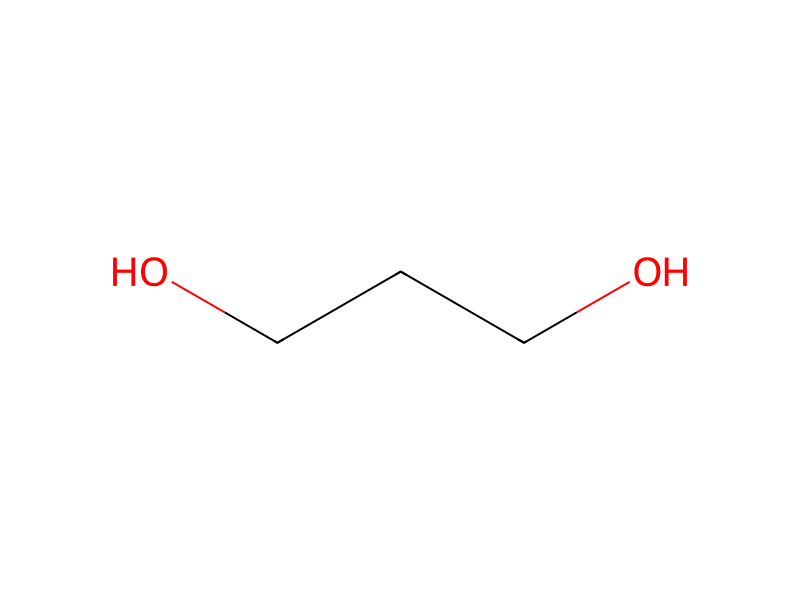
基本情報
- 標準SMILES
OCCCO- InChIKey
YPFDHNVEDLHUCE-UHFFFAOYSA-N- 分子式
- C3H8O2
- 平均分子量
- 76.09 g/mol
- 単同位体質量
- 76.0524295
概要
Propane-1,3-diol is the simplest member of the class of propane-1,3-diols, consisting of propane in which one hydrogen from each methyl group is substituted by a hydroxy group. A colourless, viscous, water-miscible liquid with a high (210C) boiling point, it is used in the synthesis of certain polymers and as a solvent and antifreeze. It has a role as a metabolite and a protic solvent.
名称と識別子
- 優先名称
- 1,3-Propanediol
- IUPAC
- propane-1,3-diol
- 現地名
- 1,3-プロパンジオール
- 英語名
- 1,3-Propanediol
- 分子式
- C3H8O2
- 分子量
- 76.09
名称と別名
1,3-PROPANEDIOLPropane-1,3-diol504-63-2Trimethylene glycol1,3-Dihydroxypropane1,3-Propylene glycol2-Deoxyglycerol1,3-Propylenediolbeta-Propylene glycol2-(Hydroxymethyl)ethanolomega-PropanediolDTXSID8041246
名称をさらに表示
1,3-プロパンジオールβ-プロピレングリコールプロパン-1,3-ジオールトリメチレングリコール2-デオキシクリセロール1,3-ジヒドロキシプロパン1,3-プロピレングリコール1,3-プロパンジオル1,3‐プロパンジオール1,3-プロパンジオール標準品1,3-プロパンジオール, 99%PDOPROPAN-1,3-DIOLDihydroxypropane1,3-PROPANEDIOL FOR SYNTHESIS1 3 -PROPANEDIOL (PROPANDIOL )1.3-PDO
5965N8W85TDTXCID6021246CHEBI:16109RefChem:906914207-997-31,3-PROPANDIOL.beta.-Propylene glycolMFCD00002949
データベース識別子
- CAS
504-63-2- PubChem CID
- 10442
- DTXSID
DTXSID8041246- ChEMBL
CHEMBL379652- ChEBI
CHEBI:16109- UNII
- 5965N8W85T
- EC Number
- 207-997-3
- Nikkaji
- J2.606I
物性
構造計算による物性
- XLogP
- -1
- 極性表面積
- 40.5 Ų
- 水素結合供与体数
- 2
- 水素結合受容体数
- 2
- 回転可能結合数
- 2
- 重原子数
- 5
- 形式電荷
- 0
- 複雑度
- 12.4
実験および物理化学的性質
DrugsPharmaceuticals -> Listed in ZINC15
PolymersOther Classes -> Alcohols and Polyols, Other
SpringerMaterials PropertiesSchoenflies notation
FragrancesFragrance Ingredient (1,3-Propanediol) -> IFRA transparency List
LogPlog Kow = -1.04
TasteSweet
Density
1.0597 at 20 °C/4 °C
1.0536 @25 °C
Color/FormColorless to pale yellow, very viscid liquid
Solubility
Miscible with water
Very soluble in ethyl ether; slightly soluble in benzene
Miscible with alcohol
Flash PointFlash Point: 174 °F/ 345 °C /closed cup/
Boiling Point210-212 °C
Vapor Pressure
0.04 [mmHg]
0.0441 mm Hg at 25 °C
物理化学的性質
- 融点
- -27 °C · -27 °C (lit.)
- 沸点
- 214 °C/760 · 214 °C/760 mmHg (lit.)
- 比重(密度)
- 1.053 g/mL · 1.053 g/mL at 25 °C (lit.)
- 蒸気圧
- 0.8 mm · 0.8 mm Hg ( 20 °C)
- 屈折率
- 20 · n20/D 1.440(lit.)
- FEMA
- 4753 · 4753 | 1,3-PROPANEDIOL
- 闪点
- 230 °F · >230 °F
- 貯蔵温度
- 30 °C · Store below +30°C.
- 溶解性
- 2 O: · H2O: 可溶
- 酸解離定数(Pka)
- 14.46 · 14.46±0.10(Predicted)
- 外見
- 油性液体
- 色
- クリア
- PH
- 4.5 · 4.5-7.0 (100g/l, H2O, 20℃)
- 爆発限界(explosive limit)
- 2.5 % · 2.5%(V)
- 水溶解度
- 100 g/L · 100g/L
- Merck
- 14 · 14,9714
- BRN
- 969155 · 969155
- Henry's Law Constant
- 1.6 · 1.6×104 mol/(m3Pa) at 25℃, Burkholder et al. (2019)
- Dielectric constant
- 35 · 35.0(20℃)
- 化粧品成分の機能
- 溶媒粘度制御
- InChI
- 1S/C3H8O2/c4-2-1-3-5/h4-5H,1-3H2
- InChIKey
- YPFDHNVEDLHUCE-UHFFFAOYSA-N
- SMILES
- OCCCO[H]
- LogP
- -0.71 at · -0.71 at 20℃
- CAS データベース
- 504 · 504-63-2(CAS DataBase Reference)
- NISTの化学物質情報
- 1 · 1,3-Propanediol(504-63-2)
- EPAの化学物質情報
- 1 · 1,3-Propanediol (504-63-2)
化学的性質
化学的特性1,3-Propanediol, an isomer of propylene glycol, is a viscous, colorless, odorless, hygroscopic liquid that has a brackish irritating taste. miscible with various solvents such as water, ethanol, acetone, chloroform (chloroform) and ether, and is insoluble in benzene. Combustible.
化学性质100%植物由来のバイオ化学品
安全と法規制
GHS分類
GHS Classification
This chemical does not meet GHS hazard criteria for 91.8% (468 of 510) of all reports.
Not Classified
Aggregated GHS information provided per 510 reports by companies from 6 notifications to the ECHA C&L Inventory.
Warning
H315: Causes skin irritation [Warning Skin corrosion/irritation]
P264, P280, P302+P352, P321, P332+P317, and P362+P364 (click each P-code to see the statement)
危険有害性情報
Regulatory Information
Chemical: 1,3-Propanediol
Regulation (EC) No 178/2002 (amended)
1,3-Propanediol is listed on the EPA's Chemical Data Reporting (CDR) system. Manufacturers and importers of 1,3-Propanediol are required to report information about their production and use of this chemical to the EPA under the Toxic Substances Control Act (TSCA). (40 eCFR Part 711)
Status: Active Update: 13-09-2022 https://echa.europa.eu/registration-dossier/-/registered-dossier/2099
1,3-Propanediol: Does not have an individual approval but may be used under an appropriate group standard
Other Safety InformationIMAP assessments - 1,3-Propanediol: Human health tier I assessment
Hazards SummaryA moderate human skin irritant; Causes somnolence in oral lethal-dose studies of cats and rats; [RTECS] May cause irritation; [Alfa Aesar MSDS]
EPA Safer ChemicalChemical: 1,3-Propanediol
FIFRA Requirements
Residues of 1,3-propanediol are exempted from the requirement of a tolerance when used in accordance with good agricultural practice as inert (or occasionally active) ingredients in pesticide formulations applied to growing crops or to raw agricultural commodities after harvest. Use: Solvent, co-solvent, diluent, or freeze-point depressant.
Residues of the following chemical substances are exempted from the requirement of a tolerance when used in accordance with good manufacturing practice as ingredients in an antimicrobial pesticide formulation, provided that the substance is applied on a semi-permanent or permanent food-contact surface (other than being applied on food packaging) with adequate draining before contact with food. (a) The following chemical substances when used as ingredients in an antimicrobial pesticide formulation may be applied to: Food-contact surfaces in public eating places, dairy-processing equipment, and food-processing equipment and utensils. 1,3-Propanediol is included on this list. Limits: None.
NFPA Hazard Classification
1 - Materials that, under emergency conditions, can cause significant irritation.
2 - Materials that must be moderately heated or exposed to relatively high ambient temperatures before ignition can occur. Materials would not under normal conditions form hazardous atmospheres with air, but under high ambient temperatures or under moderate heating could release vapor in sufficient quantities to produce hazardous atmospheres with air.
0 - Materials that in themselves are normally stable, even under fire conditions.
Toxic Combustion Products
Special hazards arising from the substance or mixture: Carbon oxides
Whan heated to decomposition it emits acrid smoke and irritating fumes.
Hazard Classes and CategoriesNot Classified
Hazardous Reactivities and IncompatibilitiesIncompatible materials: Acid chlorides, Acid anhydrides, Oxidizing agents, Chloroformates, Reducing agents.
安全と保護具
Fire Fighting Procedures
Extinguishing method: alcohol resistant fire fighting foam.
Advice for firefighters: Wear self contained breathing apparatus for fire fighting if necessary.
Storage ConditionsConditions for safe storage, including any incompatibilities: Keep container tightly closed in a dry and well-ventilated place. Containers which are opened must be carefully resealed and kept upright to prevent leakage.
Cleanup MethodsMethods and materials for containment and cleaning up: Soak up with inert absorbent material and dispose of as hazardous waste. Keep in suitable, closed containers for disposal.
Disposal Methods
SRP: Recycle any unused portion of the material for its approved use or return it to the manufacturer or supplier. Ultimate disposal of the chemical must consider: the material's impact on air quality; potential migration in air, soil or water; effects on animal, aquatic and plant life; and conformance with environmental and public health regulations. If it is possible or reasonable use an alternative chemical product with less inherent propensity for occupational harm/injury/toxicity or environmental contamination.
Product: Contact a licensed professional waste disposal service to dispose of this material. Offer surplus and non-recyclable solutions to a licensed disposal company. Contaminated packaging: Dispose of as unused product.
Preventive Measures
Gloves must be inspected prior to use. Use proper glove removal technique (without touching glove's outer surface) to avoid skin contact with this product. Dispose of contaminated gloves after use in accordance with applicable laws and good laboratory practices. Wash and dry hands.
Allowable Tolerances
Residues of 1,3-propanediol are exempted from the requirement of a tolerance when used in accordance with good agricultural practice as inert (or occasionally active) ingredients in pesticide formulations applied to growing crops or to raw agricultural commodities after harvest. Use: Solvent, co-solvent, diluent, or freeze-point depressant.
Residues of the following chemical substances are exempted from the requirement of a tolerance when used in accordance with good manufacturing practice as ingredients in an antimicrobial pesticide formulation, provided that the substance is applied on a semi-permanent or permanent food-contact surface (other than being applied on food packaging) with adequate draining before contact with food. (a) The following chemical substances when used as ingredients in an antimicrobial pesticide formulation may be applied to: Food-contact surfaces in public eating places, dairy-processing equipment, and food-processing equipment and utensils. 1,3-Propanediol is included on this list. Limits: None.
Protective Action Criteria (PAC)
32 [mg/m3]
350 [mg/m3]
2100 [mg/m3]
Personal Protective Equipment (PPE)
Respiratory protection: Where risk assessment shows air-purifying respirators are appropriate, use a full-face respirator with multipurpose combination (US) or type ABEK (EN 14387) respirator cartridges as a backup to engineering controls. If the respirator is the sole means of protection, use a full-face supplied air respirator. Use respirators and components tested and approved under appropriate government standards such as NIOSH (US) or CEN (EU).
Body Protection: Impervious clothing. the type of protective equipment must be selected according to the concentration and amount of the dangerous substance at the specific workplace.
Skin protection: Handle with gloves.
Eye/face protection: Safety glasses with side-shields conforming to EN166 Use equipment for eye protection tested and approved under appropriate government standards such as NIOSH (US) or EN 166(EU).
毒性情報
Ecotoxicity Values
EC50; Species: Daphnia magna (Water Flea) age 6-24 hr; Conditions: freshwater, static, 20 °C, pH > or =7.0; Concentration: 8285000 ug/L for 24 hr (95% confidence interval: 7357000-9331000 ug/L); Effect: intoxication, immobilization /formulated product/
EC50; Species: Daphnia magna (Water Flea) age 6-24 hr; Conditions: freshwater, static, 20 °C, pH > or =7.0; Concentration: 7417000 ug/L for 48 hr (95% confidence interval: 6430000-8555000 ug/L); Effect: intoxication, immobilization /formulated product/
LC50; Species: Carassius auratus (Goldfish) weight 3.3 g; Conditions: freshwater, static, 20 °C, pH 7.0, dissolved oxygen >4.0 mg/L; Concentration: >5000000 ug/L for 48 hr /formulated product/
Environmental Fate
TERRESTRIAL FATE: Based on a classification scheme(1), an estimated Koc value of 1(SRC), determined from a structure estimation method(2), indicates that 1,3-propanediol is expected to have very high mobility in soil(SRC). Volatilization of 1,3-propanediol from moist soil surfaces is not expected to be an important fate process(SRC) given an estimated Henry's Law constant of 1.7X10⁻⁷ atm-cu m/mole(SRC), using a fragment constant estimation method(2). 1,3-Propanediol is not expected to volatilize from dry soil surfaces(SRC) based upon a vapor pressure of 0.044 mm Hg at 25 °C(3). A 11-16% of theoretical BOD using sewage sludge in a 5 day BOD test(4) suggests that biodegradation may be an important environmental fate process in soil(SRC).
AQUATIC FATE: Based on a classification scheme(1), an estimated Koc value of 1(SRC), determined from a structure estimation method(2), indicates that 1,3-propanediol is not expected to adsorb to suspended solids and sediment(SRC). Volatilization from water surfaces is not expected(3) based upon an estimated Henry's Law constant of 1.7X10⁻⁷ atm-cu m/mole(SRC), developed using a fragment constant estimation method(2). 1,3-Propanediol is not expected to undergo hydrolysis in the environment due to the lack of functional groups that hydrolyze under environmental conditions(3). According to a classification scheme(4), an estimated BCF of 3(SRC), from its log Kow of -1.04(5) and a regression-derived equation(2), suggests the potential for bioconcentration in aquatic organisms is low(SRC). A 11-16% of theoretical BOD using sewage sludge in a 5 day BOD test(6) suggests that biodegradation may be an important environmental fate process in water(SRC).
ATMOSPHERIC FATE: According to a model of gas/particle partitioning of semivolatile organic compounds in the atmosphere(1), 1,3-propanediol, which has a vapor pressure of 0.044 mm Hg at 25 °C(2), is expected to exist solely as a vapor in the ambient atmosphere. Vapor-phase 1,3-propanediol is degraded in the atmosphere by reaction with photochemically-produced hydroxyl radicals(SRC); the half-life for this reaction in air is estimated to be 40 hours(SRC), calculated from its rate constant of 9.7X10⁻¹² cu cm/molecule-sec at 25 °C(SRC) that was derived using a structure estimation method(3). 1,3-Propanediol does not contain chromophores that absorb at wavelengths >290 nm(4) and, therefore, is not expected to be susceptible to direct photolysis by sunlight(SRC).
Adverse EffectsNeurotoxin - Acute solvent syndrome
Toxicity Summary
IDENTIFICATION AND USE: 1,3-Propanediol (PDO) is a colorless to pale yellow, very viscous liquid. It is mainly used in the production of polytrimethylene terephthalate polymer, which is used in fibers and fabrics, for example, textiles, engineering thermoplastics, and monofilaments. PDO also finds uses in cosmetics and personal care products, engine coolants, and solvents for ink-jet and screen inks. HUMAN EXPOSURE AND TOXICITY: In a single reported case study, the body of a 45-year-old female was found, with a suicide note and two antifreeze containers. Analysis of the body fluid collected from the decedent showed the presence of 58 mg/dL ethanol, but suspected ethylene glycol was not found in the sample. However, an unusually large peak of internal standard, PDO, was found in the sample. Gas chromatography-mass spectrometry analysis confirmed the presence of PDO, the concentration was determined to be 445 mg/dL. ANIMAL STUDIES: PDO was studied to determine the potential effects following repeated inhalation exposures to rats. Rats were exposed 6 hr/day, 5 days/wk for 2 weeks (9 exposures) to vapor or vapor/aerosol mixtures of either 0, 41, 650, or 1800 mg PDO/cubic meters. In vivo responses were observed or measured daily. No unusual external signs of response were seen, and no deaths were encountered. Clinical pathology (blood counts, serum chemical parameters) and tissue pathology (gross pathology, organ weights, and histopathology) examinations in the exposed rats were similar to those in the unexposed controls. The highest concentration tested, 1800 mg/ cubic meters, which was the highest concentration that could practically be generated, was the no-observed-effect level (NOEL) for this study. PDO does not appear to pose a significant hazard via inhalation of either the vapor or a vapor/aerosol mixture. PDO was non-mutagenic in Salmonella typhimurium strains TA1535, TA1537, TA98, TA100, and TA102 with or without activation. PDO is non-mutagenic in the in vivo mouse micronucleus test. It was also negative for the induction of structural and numerical chromosome aberrations in Chinese hamster V79 cells in the presence and absence of metabolic activation.
Average Daily IntakeThe average daily intake of 1,3-propanediol from electronic cigarette use was estimated to be 0.14 mg/kg body weight/day(1).
Soil Adsorption/Mobility
Using a structure estimation method based on molecular connectivity indices(1), the Koc of 1,3-propanediol can be estimated to be 1(SRC). According to a classification scheme(2), this estimated Koc value suggests that 1,3-propanediol is expected to have very high mobility in soil.
Human Toxicity Excerpts
/CASE REPORTS/ The decomposed body of a 45-year-old female was found, face down, in a mobile home, along with a suicide note and two antifreeze containers. Analysis of the body fluid collected from the decedent showed the presence of 58 mg/dL ethanol, but suspected ethylene glycol was not found in the sample. However, an unusually large peak of internal standard, 1,3-propanediol, was found in the sample. Gas chromatography-mass spectrometry analysis confirmed the presence of 1,3-propanediol in the sample. Using gas chromatography-flame-ionization detection, the concentration of 1,3-propanediol was determined to be 445 mg/dL. To our knowledge, this is the first report involving 1,3-propanediol as the cause of death. The study also highlights the importance for the close scrutiny of data, as 1,3-propanediol is a frequently used internal standard for the assay of glycols.
Artificial Pollution Sources
1,3-Propanediol's production and use as an anti-freeze and de-icing product; in building materials (including floor coverings); apparel and footwear care products; ink, toner and colorant products; laundry and dishwashing products; and personal care products(1) may result in its release to the environment through various waste streams(SRC).
Environmental Biodegradation
AEROBIC: 1,3-Propanediol reached 11 and 16% of its theoretical BOD using unacclimated and acclimated sewage sludge, respectively, during a 5 day incubation period(1).
ANAEROBIC: 1,3-Propanediol was not biodegraded under anaerobic conditions using Methanospirillum hungatei enrichment cultures isolated from digested sludge from a municipal treatment plant at Konstanz, Germany(1).
Environmental Bioconcentration
An estimated BCF of 3 was calculated in fish for 1,3-propanediol(SRC), using a log Kow of -1.04(1) and a regression-derived equation(2). According to a classification scheme(2), this BCF suggests the potential for bioconcentration in aquatic organisms is low(SRC).
Volatilization from Water/Soil
The Henry's Law constant for 1,3-propanediol is estimated as 1.7X10⁻⁷ atm-cu m/mole(SRC) using a fragment constant estimation method(1). This Henry's Law constant indicates that 1,3-propanediol is expected to be essentially nonvolatile from water and moist soil surfaces(2). 1,3-Propanediol is not expected to volatilize from dry soil surfaces(SRC) based upon a vapor pressure of 0.044 mm Hg(3).
Non-Human Toxicity Excerpts
/LABORATORY ANIMALS: Acute Exposure/ In an acute inhalation exposure in which rats were exposed to 2000 to 5000 mg/cu m for 4 hr, rats survived with slight to moderate weight loss 1 day postexposure.
/LABORATORY ANIMALS: Subchronic or Prechronic Exposure/ In a 10- to 15-wk feeding study in rats, 500 ppm 1,3-propanediol produced changes in hepatic and testicular DNA. The reported effects were attributed to the conversion of 1,3-propanediol to malondialdehyde. The occurrence of DNA protein and interstrand DNA cross-links were higher in hepatic DNA at wk 10 and 15 (not 5), and only a small increase in cross-linking was observed in testicular DNA.
/LABORATORY ANIMALS: Subchronic or Prechronic Exposure/ 1,3-Propanediol was studied to determine the potential effects following repeated inhalation exposures to rats. Rats were exposed 6 hr/day, 5 days/wk for 2 wk (9 exposures) to vapor or vapor/aerosol mixtures of either 0, 41, 650, or 1800 mg 1,3-propanediol/cu m. In vivo responses were observed or measured daily. Clinical pathology and tissue pathology analyses were conducted after the 9th exposure and on half of each group following an 18-day recovery (nonexposure) period. All rats showed normal body weights. No unusual external signs of response were seen, and no deaths were encountered. Clinical pathology (blood counts, serum chemical parameters) and tissue pathology (gross pathology, organ weights, and histopathology) examinations in the 1,3-propanediol exposed rats were similar to those in the unexposed controls. The highest concentration tested, 1800 mg/ cubic meters, which was the highest concentration that could practically be generated, was the no-observed-effect level (NOEL) for this study. 1,3-Propanediol does not appear to pose a significant hazard via inhalation of either the vapor or a vapor/aerosol mixture.
/LABORATORY ANIMALS: Developmental or Reproductive Toxicity/ When given orally to pregnant rats at doses of either 250 or 1000 mg/kg from gestation day 6 through 15, no evidence of developmental toxicity was seen. Maternal and fetal body weights were decreased at 1000 mg/kg but not at 250 mg/kg. No structural malformations were found that could be associated with 1,3- propanediol.
For more Non-Human Toxicity Excerpts (Complete) data for 1,3-Propanediol (14 total), please visit the HSDB record page.
法規制情報
FIFRA Requirements
Residues of 1,3-propanediol are exempted from the requirement of a tolerance when used in accordance with good agricultural practice as inert (or occasionally active) ingredients in pesticide formulations applied to growing crops or to raw agricultural commodities after harvest. Use: Solvent, co-solvent, diluent, or freeze-point depressant.
Residues of the following chemical substances are exempted from the requirement of a tolerance when used in accordance with good manufacturing practice as ingredients in an antimicrobial pesticide formulation, provided that the substance is applied on a semi-permanent or permanent food-contact surface (other than being applied on food packaging) with adequate draining before contact with food. (a) The following chemical substances when used as ingredients in an antimicrobial pesticide formulation may be applied to: Food-contact surfaces in public eating places, dairy-processing equipment, and food-processing equipment and utensils. 1,3-Propanediol is included on this list. Limits: None.
安全データ
- wgk
- 1
- tsca
- TSCA listed
- rtecs
- TY2010000
- 毒性
- LD50 orally in Rabbit: 15670 mg/kg LD50 dermal Rabbit > 20000 mg/kg
- hs_code
- 29053980
- risk_code
- 38
- 化審法
- (2)-234
- 消防法
- 危-4-3-III
- hazard_code
- Xi
- safety_code
- 23-24/25
- 自然発火温度
- 405 °C
- ストレージクラス
- 10 - Combustible liquids
- 有毒物質データの
- 504-63-2(Hazardous Substances Data)
化学と産業
用途と製造
Uses
Used as an intermediate in the production of polyesters; [Hawley]
1,3-Propanediol /PDO/ is mainly used for making polytrimethylene terephthalate polymer, which is used in fibers and fabrics, for example, carpets, textiles, engineering thermoplastics, nonwovens, films, and monofilaments. PDO finds also use as chain extender in thermoplastic polyurethanes, where it contributes to improved thermal, hydrolytic and dimensional stability. In adipate polyesters with other diols these diols are partly substituted by 1,3-propanediol to break crystallinity in order to obtain liquid polyester polyols. In polyesters for powder coatings PDO improves the flexibility but lowers the glass transition temperature somewhat. PDO finds also uses in cosmetics and personal care products, engine coolants, and solvents for ink-jet and screen inks.
Industrial uses: functional fluids (open system); intermediates; solvents (for cleaning or degreasing); solvents (which become part of product formulation or mixture) Consumer uses: anti-freeze and de-icing products; apparel and footwear care products; building/construction materials; floor coverings; ink, toner and colorant products; laundry and dishwashing products; personal care products
Intermediate, especially for polyesters
Polymers, foods, lubricants, medicines, intermediate for the synthesis of heterocyclic compounds
For more Uses (Complete) data for 1,3-Propanediol (6 total), please visit the HSDB record page.
U.S. Production
2023: 100,000,000 - <250,000,000 lb
Non-confidential 2012 Chemical Data Reporting (CDR) information on the production and use of chemicals manufactured or imported into the United States. Chemical: 1,3-Propanediol. National Production Volume: 69,715,403 lb/yr.
Industry UsesPolymerization promoter
Methods of Manufacturing
One commercial route to 1,3-propanediol starts from acrolein. The addition of water under mild acidic conditions gives 3-hydroxypropionaldehyde with high selectivity. Preferentially buffer solutions with a pH 4-5 or weak acidic ion exchange resins are used as catalysts. Further hydrogenation of this aqueous solutions gives 1,3-propanediol. There is an alternative route via hydroformylation of ethylene oxide and subsequent hydrogenation of the intermediate 3-hydroxypropionaldehyde. More recently a fermentation route from corn sugar has been commercialized.
Prepared by reduction of ethyl glycidate with lithium aluminum hydride.
Household ProductsInformation on 87 consumer products that contain 1,3-Propanediol in the following categories is provided:
Use Classification
EPA Safer Chemical Functional Use Classes -> Enzymes and Enzyme Stabilizers;Solvents
Safer Chemical Classes -> Green circle - The chemical has been verified to be of low concern
Fragrance Ingredients
General Manufacturing Information
Plastics Material and Resin Manufacturing
1,3-Propanediol: ACTIVE
応用分野
用途工業用および化粧品?パーソナルケア原料
解説1,3-プロパンジオール:HO(CH2)3OH.臭化トリメチレンの加水分解,アクリルアルデヒドに水を付加させた後還元してつくる.淡黄緑色の粘ちゅうな液体.甘味をもつ.融点-32 ℃,沸点201~211 ℃.d20D1.053.n20D1.439.水,エタノール,エーテルに易溶.
調製方法
合成方法バイオマス原料から得られるグルコースが大腸菌内の代謝経路を経由してグリセロールに変換され,さらに2段階の酵素反応を経ることで生産される
純化方法Dry this diol with K2CO3 and distil it under reduced pressure. More extensive purification involves conversion with benzaldehyde to 2-phenyl-1,3-dioxane (m 47-48o) which is subsequently decomposed by shaking with 0.5M HCl (3mL/g) for 15minutes and standing overnight at room temperature. After neutralisation with K2CO3, the benzaldehyde is removed by steam distillation and the diol is recovered from the remaining aqueous solution by continuous extraction with CHCl3 for 1day. The extract is dried with K2CO3, the CHCl3 is evaporated and the diol is distilled. [Foster et al. Tetrahedron 6 177 1961, Beilstein 1 IV 2493.]
上流・下流製品情報
上流原料
下流製品
サプライヤー50 社
国药集团化学试剂有限公司86-21-63210123 · [email protected]
北京华美互利生物化工010-56205725 · [email protected]
梯希爱(上海)化成工业发展有限公司021-67121386 · [email protected]
上海阿拉丁生化科技股份有限公司400-6206333 13167063860 · [email protected]
南通润丰石油化工有限公司66017690 19952660367 · [email protected]
T&W GROUP021-61551611 13296011611 · [email protected]
爱斯特(成都)生物制药股份有限公司+86-28-85122536 85324413 · [email protected]
韶远科技(上海)有限公司021-50795510 4000665055 · [email protected]
科瑞迪化学400-821-5857 021-64326257 · [email protected]
上海迈瑞尔生化科技有限公司4006356688 18621169109 · [email protected]
阿法埃莎(中国)化学有限公司400-6106006 · [email protected]
安耐吉化学&3A(安徽泽升科技股份有限公司)400-0056266 · [email protected]
上海瀚鸿科技股份有限公司021-54306202 13764082696 · [email protected]
上海景颜化工科技有限公司13817811078 · [email protected]
合肥天健化工有限公司551-65418679 15856988503;15837135945 · [email protected]
武汉丰泰威远科技有限公司027-87465837 19945049750 · [email protected]
Beckmann-Kenko GmbH+49 4241 9308 88 · [email protected]
山东西亚化学有限公司13355009207 13355009207 · [email protected]
玛雅试剂+86 (573) 82222445 (0)18006601000 452520369 · [email protected]
四川库利南科技有限公司400-1166-196 18981987031 · [email protected]
天津希恩思生化科技有限公司400 638 7771 · [email protected]
湖南汇百侍生物科技有限公司0731-85526065 13308475853 · [email protected]
南京维奥化工有限公司Please Send Email 18652950785 · [email protected]
Connect Chemicals GmbH+49 2102 2077 19 · [email protected]
河南多贝化工有限公司0370-2785118 17550508557 · [email protected]
斯百全化学(上海)有限公司021-021-021-67601398-809-809-809 15221380277 · [email protected]
艾科试剂4008-755-333 18080918076 · [email protected]
上海思域化工科技有限公司86-21-34053660 · [email protected]
赛默飞世尔科技(中国)有限公司800-810-5118 · [email protected]
北京伊诺凯科技有限公司400-810-7969 010-59572699 · [email protected]
上海遐瑞医药科技有限公司+86 21 61551611
江苏艾康生物医药研发有限公司025-66113011 13913916777 · [email protected]
上海健超生物科技有限公司150-2103-5486 18017383231 · [email protected]
TCI AMERICA800-4238616 · [email protected]
TOKYO CHEMICAL INDUSTRY CO., LTD.03-36680489 · [email protected]
TCI Europe320-37350700 · [email protected]
上海贤鼎生物科技有限公司4009209199 · [email protected]
上海楚青新材料科技有限公司021-61530618; 18721685818
深圳康特腾科技有限公司86-0755-86635001 · [email protected]
越林试剂021-62960152 · [email protected]
上海倍卓生物科技有限公司021-61119791,13386096464 · [email protected]
上海康泺新材料科技有限公司021-021-51601195 19512239872
湖北鑫源顺医药化工有限公司13971561712, 13995564702, 027-50664929 · [email protected]
上海将来实业股份有限公司400-0066400 13621662912 · [email protected]
上海将来实业股份有限公司021-61552785 · [email protected]
HBCChem, Inc.+1-510-219-6317 · [email protected]
日照力德士化工有限公司010-51268198 · [email protected]
美岚实业(上海)有限公司021-58958189 · [email protected]
上海爱蝶实业有限公司021-58957966 18930537195 · [email protected]
四川省维克奇生物科技有限公司028-81700200 18116577057 · [email protected]
補足説明
定義本品は、次の化学式で表される二価アルコールである。
定義ChEBI: Propane-1,3-diol is the simplest member of the class of propane-1,3-diols, consisting of propane in which one hydrogen from each methyl group is substituted by a hydroxy group. A colourless, viscous, water-miscible liquid with a high (210℃) boiling point, it is used in the synthesis of certain polymers and as a solvent and antifreeze. It has a role as a protic solvent and a metabolite.
関連反応
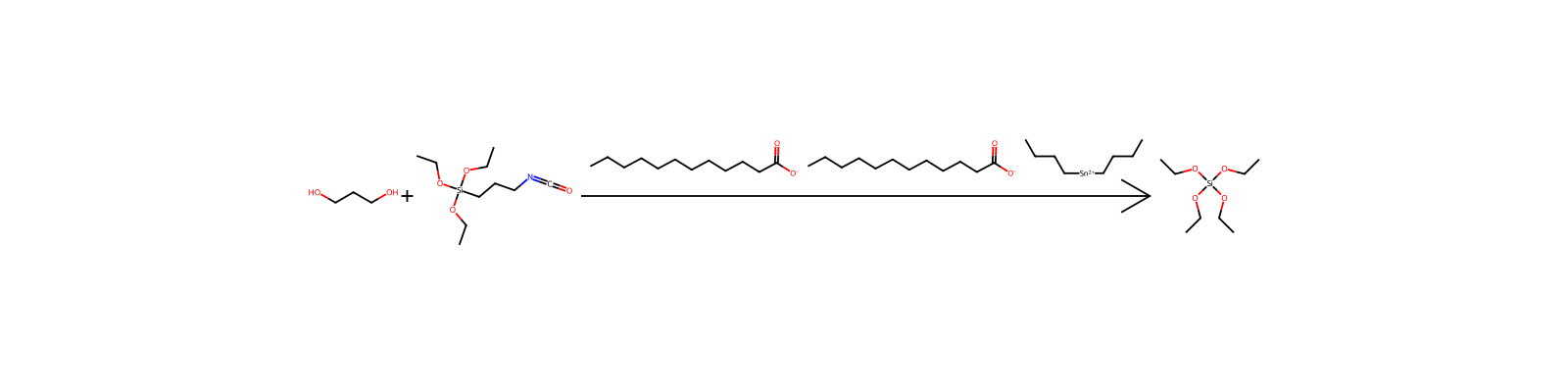
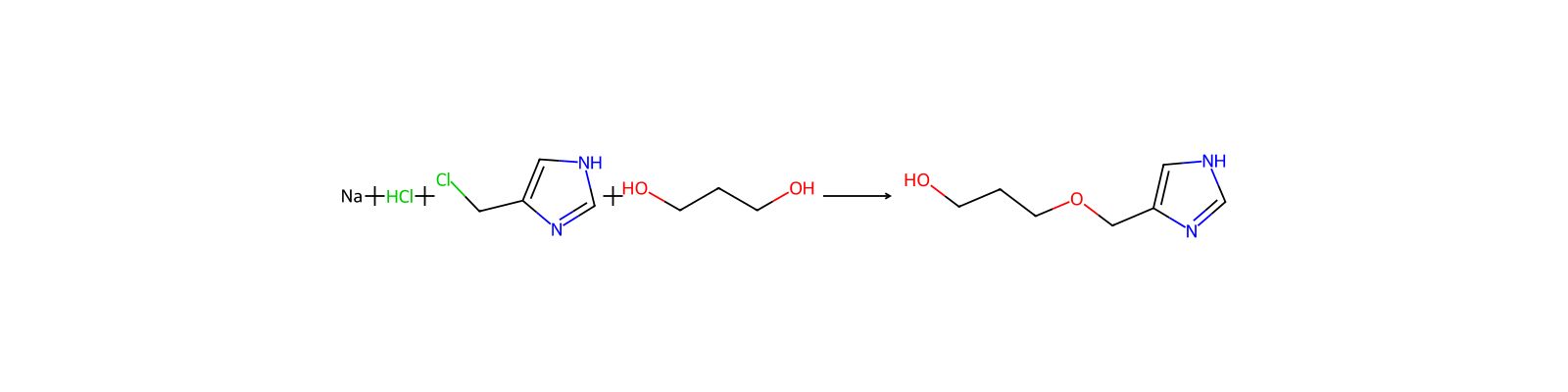
703 件



関連ノート
読み込み中…