

基本情報
- 標準SMILES
COP(=O)(OC)OC- InChIKey
WVLBCYQITXONBZ-UHFFFAOYSA-N- 分子式
- C3H9O4P
- 平均分子量
- 140.07 g/mol
- 単同位体質量
- 140.0238454
概要
Trimethyl Phosphate can cause cancer according to The Environmental Protection Agency (EPA).
名称と識別子
- 優先名称
- Trimethyl Phosphate
- IUPAC
- trimethyl phosphate
- 現地名
- りん酸トリメチル
- 英語名
- Trimethyl phosphate
- 分子式
- C3H9O4P
- 分子量
- 140.07
名称と別名
TRIMETHYL PHOSPHATE512-56-1TrimethylphosphateTrimethyl orthophosphatePhosphoric acid, trimethyl esterTMPOPhosphoric acid trimethyl esterTrimethoxyphosphine oxideO,O,O-Trimethyl phosphateTrimethylfosfatNCI-C03781DTXSID1021403
名称をさらに表示
りん酸トリメチルトリメチル=ホスファートトリメチルホスファートトリメトキシホスフィンオキシド酸トリメチルリン酸エステルりん酸トリメチル,6Nトリメチルホスフェートトリメチルリン酸トリメチルホスフェ?トりん酸トリメチル STANDARDりん酸トリメチル、100UG/MLトルエン溶液りん酸トリメチル Standard, 100 µg/mL in MeOHりん酸トリメチル, 100 µg/mL in Tolueneトリメチル ホスファートTMPMETHYL PHOSPHATE(CH3O)3POTrimethyl phosphate(Trimethoxyphosphine oxide,Trimethyl orthophosphate)zCCCCFYZXTriMethylphosp(Lactic acid) TMPrimethylphosphate
Z1E45TMW1ZNSC-58985DTXCID101403CHEBI:46324RefChem:191756208-144-8TMPAMFCD00008348
データベース識別子
- CAS
512-56-1- PubChem CID
- 10541
- DTXSID
DTXSID1021403- ChEMBL
CHEMBL1236486- ChEBI
CHEBI:46324- UNII
- Z1E45TMW1Z
- EC Number
- 208-144-8
- Nikkaji
- J2.617D
物性
構造計算による物性
- XLogP
- -0.5
- 極性表面積
- 44.8 Ų
- 水素結合供与体数
- 0
- 水素結合受容体数
- 4
- 回転可能結合数
- 3
- 重原子数
- 8
- 形式電荷
- 0
- 複雑度
- 82.4
実験および物理化学的性質
Chemical ClassesOther Classes -> Organophosphates, Other
SpringerMaterials PropertiesSchoenflies notation
LogP
log Kow = -0.52 and -0.78
-0.52,-0.78
-0.52
OdorPleasant smelling
Density
1.2144 at 68 °F (NTP, 1992) - Denser than water; will sink
1.2144 g/cu cm at 20 °C
Relative density (water = 1): 1.2
1.97 @ 19.5°C
Color/Form
Liquid
Colorless liquid
Solubility
greater than or equal to 100 mg/mL at 68 °F (NTP, 1992)
In water, 5.0X10+5 mg/L at 25 °C
Slightyl soluble in ethanol; soluble in ethyl ether
Soluble in alcohol, ether and organic solvents
Soluble in gasoline
Solubility in water, g/100ml at 25 °C: 50 (good)
Flash Point
greater than 300 °F (NTP, 1992)
107 °C
150 °C (302 °F) (Closed cup)
107 °C
Boiling Point
387 °F at 760 mmHg (NTP, 1992)
197.2 °C
197.2 °C
197.2 °C @760 [mm Hg]
DecompositionWhen heated to decomposition it emits toxic fume of phosphorus oxides.
Melting Point
-51 °F (NTP, 1992)
-46 °C
-46 °C
Vapor Pressure
1 mmHg at 78.8 °F ; 5 mmHg at 128.7 °F; 10 mmHg at 154.0 °F (NTP, 1992)
0.85 mm Hg at 25 °C
Vapor pressure, kPa at 20 °C: 0.11
物理化学的性質
- 融点
- -46 °C · -46 °C (lit.)
- 沸点
- 197 °C · 197 °C (lit.)
- 比重(密度)
- 1.197 g/mL · 1.197 g/mL at 25 °C (lit.)
- 蒸気圧
- 1.133 hPa · 1.133 hPa (25 °C)
- 屈折率
- 20 · n20/D 1.395(lit.)
- 闪点
- 107 °C · 107 °C
- 貯蔵温度
- 30 °C · Store below +30°C.
- 溶解性
- 1000 g/リットル · 1000g/リットル
- 外見
- 液体
- 色
- クリア
- 比重
- 1.197 · 1.197
- 水溶解度
- 500 G/L · 500 G/L (25℃)
- BRN
- 1071731 · 1071731
- Henry's Law Constant
- 1.4 · 1.4×103 mol/(m3Pa) at 25℃, Wolfenden and Williams (1983)
- Dielectric constant
- 21.26 · 21.260000000000002
- InChI
- 1S/C3H9O4P/c1-5-8(4,6-2)7-3/h1-3H3
- InChIKey
- WVLBCYQITXONBZ-UHFFFAOYSA-N
- SMILES
- COP(=O)(OC)OC
- LogP
- -0.46 at · -0.46 at 25℃
- CAS データベース
- 512 · 512-56-1(CAS DataBase Reference)
- NISTの化学物質情報
- Phosphoric acid, trimethyl ester(512-56-1)
- EPAの化学物質情報
- Trimethyl phosphate (512-56-1)
化学的性質
化学的特性Trimethyl phosphate (TMP), the simplest trialkyl ester of phosphoric acid, It is a colourless, nonvolatile liquid. soluble in most organic solvents, low solubility in water. TMP is stable in neutral, acidic or alkaline solutions, and is classified as "not readily biodegradable". Direct photodegradation is not expected because trimethyl phosphate does not absorb UV light.
安全と法規制
GHS分類
GHS Classification
This chemical does not meet GHS hazard criteria for 35.1% (121 of 345) of reports.
Danger
H302 (58.6%): Harmful if swallowed [Warning Acute toxicity, oral]
P203, P264, P264+P265, P270, P280, P301+P317, P302+P352, P305+P351+P338, P318, P321, P330, P332+P317, P337+P317, P362+P364, P405, and P501 (click each P-code to see the statement)
Aggregated GHS information provided per 345 reports by companies from 12 notifications to the ECHA C&L Inventory. Each notification may be associated with multiple companies.
Danger
危険有害性情報
Regulatory Information
Chemical: Phosphoric acid, trimethyl ester
Hazard Traits - Carcinogenicity
Phosphoric acid, trimethyl ester is listed on the EPA's Chemical Data Reporting (CDR) system. Manufacturers and importers of Phosphoric acid, trimethyl ester are required to report information about their production and use of this chemical to the EPA under the Toxic Substances Control Act (TSCA). (40 eCFR Part 711)
Status: Active Update: 16-11-2022 https://echa.europa.eu/registration-dossier/-/registered-dossier/22505
Trimethyl phosphate: Does not have an individual approval but may be used under an appropriate group standard
Other Safety InformationIMAP assessments - Phosphoric acid, trimethyl ester: Human health tier II assessment
Fire Hazards
This chemical is nonflammable. (NTP, 1992)
Combustible. Gives off irritating or toxic fumes (or gases) in a fire.
Health HazardsSYMPTOMS: Symptoms of exposure to this compound include strong irritation of the skin and eyes. Irritation of the mucous membranes and respiratory tract also occurs.
Hazards Summary
Danger of cutaneous absorption; Carcinogenicity in man cannot be assessed conclusively because of insufficient data (Group 3B); Germ cell mutagens that have shown to increase the mutant frequency in the progeny of exposed mammals. [MAK] A skin, eye, and respiratory tract irritant; Chronic or repeated exposure may cause flaccid paralysis and genetic damage; [ICSC] An irritant; Targets CNS; [MSDSonline]
Reactive GroupEsters, Sulfate Esters, Phosphate Esters, Thiophosphate Esters, and Borate Esters
Special ReportsBioassay of Trimethylphosphate for Possible Carcinogenicity (1978) Technical Rpt Series No. 81 DHEW Pub No. (NIH) 78-1331, U.S. Department of Health Education and Welfare, National Cancer Institute, Bethesda, MD 20014
Reactivity Profile
TRIMETHYL PHOSPHATE may explode when heated. Residue from a large scale atmospheric pressure distillation of this chemical has exploded violently. It is incompatible with nitrates. (NTP, 1992). Organophosphates are susceptible to formation of highly toxic and flammable phosphine gas in the presence of strong reducing agents such as hydrides. Partial oxidation by oxidizing agents may result in the release of toxic phosphorus oxides.
Chemical DangersDecomposes on burning. This produces toxic fumes including phosphorus oxides. Reacts with strong bases and strong oxidants. May explode on heating during large scale atmospheric pressure distillation.
Air and Water ReactionsWater soluble.
Hazard Classes and Categories
Acute Tox. 4 (58.6%)
Acute toxicity (ingestion) - category 4
Acute toxicity (Oral) - Category 4
Carcinogenicity - Category 2
State Drinking Water Guidelines(FL) FLORIDA 50 ug/l
安全と保護具
Fire FightingUse water spray, alcohol-resistant foam, dry powder, carbon dioxide.
First Aid Measures
Fresh air, rest. Refer for medical attention.
Remove contaminated clothes. Rinse skin with plenty of water or shower.
First rinse with plenty of water for several minutes (remove contact lenses if easily possible), then refer for medical attention.
Rinse mouth. Induce vomiting (ONLY IN CONSCIOUS PERSONS!). Refer for medical attention .
First Aid
EYES: First check the victim for contact lenses and remove if present. Flush victim's eyes with water or normal saline solution for 20 to 30 minutes while simultaneously calling a hospital or poison control center. Do not put any ointments, oils, or medication in the victim's eyes without specific instructions from a physician. IMMEDIATELY transport the victim after flushing eyes to a hospital even if no symptoms (such as redness or irritation) develop.
Safe StorageSeparated from strong oxidants and strong bases.
Firefighting HazardsSpecial hazards arising from the substance or mixture: Carbon oxides, oxides of phosphorus.
Fire Fighting Procedures
Suitable extinguishing media: Use water spray, alcohol-resistant foam, dry chemical or carbon dioxide.
Advice for firefighters: Wear self contained breathing apparatus for fire fighting if necessary.
Storage ConditionsConditions for safe storage, including any incompatibilities: Keep container tightly closed in a dry and well-ventilated place. Containers which are opened must be carefully
Cleanup Methods
Accidental Release Measures. Personal precautions, protective equipment and emergency procedures: Use personal protective equipment. Avoid breathing vapours, mist or gas. Ensure adequate ventilation. Evacuate personnel to safe areas. Environmental precautions: Prevent further leakage or spillage if safe to do so. Do not let product enter drains. Methods and materials for containment and cleaning up: Soak up with inert absorbent material and dispose of as hazardous waste. Keep in suitable, closed containers for disposal.
Nonfire Spill Response
Keep sparks, flames, and other sources of ignition away. Keep material out of water sources and sewers. Build dikes to contain flow as necessary. Apply water spray or mist to knock down vapors. Land spill: Dig a pit, pond, lagoon, holding area to contain liquid or solid material. Dike surface flow using soil, sand bags, foamed polyurethane, or foamed concrete. Absorb bulk liquid with fly ash, cement powder, or commercial sorbents. Neutralize with dilute caustic soda (NaOH) or soda ash (Na2CO3). Water spill: Use natural barriers or oil spill control booms to limit spill travel. Neutralize with agricultural lime (CaO), crushed limestone (CaCO3), or sodium bicarbonate (NaHCO3). Remove trapped material with suction hoses.
Disposal Methods
SRP: The most favorable course of action is to use an alternative chemical product with less inherent propensity for occupational harm/injury/toxicity or environmental contamination. Recycle any unused portion of the material for its approved use or return it to the manufacturer or supplier. Ultimate disposal of the chemical must consider: the material's impact on air quality; potential migration in soil or water; effects on animal and plant life; and conformance with environmental and public health regulations.
Waste treatment methods. Product: Offer surplus and non-recyclable solutions to a licensed disposal company. Contact a licensed professional waste disposal service to dispose of this material. Dissolve or mix the material with a combustible solvent and burn in a chemical incinerator equipped with an afterburner and scrubber. Contaminated packaging: Dispose of as unused product.
Spillage Disposal
Personal protection: chemical protection suit including self-contained breathing apparatus. Ventilation. Collect leaking liquid in sealable containers. Absorb remaining liquid in sand or inert absorbent. Then store and dispose of according to local regulations.
Preventive Measures
Avoidance of skin contact and inhalation of mist, dust, or vapor (esp if heated liquids are handled) will usually be desirable ... . /Phosphate esters/
SRP: The scientific literature for the use of contact lenses by industrial workers is inconsistent. The benefits or detrimental effects of wearing contact lenses depend not only upon the substance, but also on factors including the form of the substance, characteristics and duration of the exposure, the uses of other eye protection equipment, and the hygiene of the lenses. However, there may be individual substances whose irritating or corrosive properties are such that the wearing of contact lenses would be harmful to the eye. In those specific cases, contact lenses should not be worn. In any event, the usual eye protection equipment should be worn even when contact lenses are in place.
Precautions for safe handling: Avoid contact with skin and eyes. Avoid inhalation of vapour or mist. Normal measures for preventive fire protection.
Appropriate engineering controls: Handle in accordance with good industrial hygiene and safety practice. Wash hands before breaks and at the end of workday.
Gloves must be inspected prior to use. Use proper glove removal technique (without touching glove's outer surface) to avoid skin contact with this product. Dispose of contaminated gloves after use in accordance with applicable laws and good laboratory practices. Wash and dry hands.
毒性情報
Ecotoxicity Values
LD50; Species: Quail oral 750 mg/kg
LC50; Species: Pimephales promelas (fathead minnow); Conditions: flow-through bioassay with measured concentrations, 24.4 °C, dissolved oxygen 6.9 mg/L, hardness 45.8 mg/L calcium carbonate, alkalinity 36.4 mg/L calcium carbonate, and pH 7.7; Concentration: 7.01 g/L for 96 hr (confidence limit: 6.48-7.58 g/L)
EC50; Species: Pimephales promelas (fathead minnow); Conditions: flow-through bioassay with measured concentrations, 24.4 °C, dissolved oxygen 6.9 mg/L, hardness 45.8 mg/L calcium carbonate, alkalinity 36.4 mg/L calcium carbonate, and pH 7.7; Concentration: 6.74 g/L for 96 hr (confidence limit: 6.20-7.33 g/L); Effect: loss of equilibrium
Environmental Fate
TERRESTRIAL FATE: Based on a classification scheme(1), an estimated Koc value of 11(SRC), determined from a structure estimation method(2), indicates that trimethyl phosphate is expected to have very high mobility in soil(SRC). Volatilization of trimethyl phosphate from moist soil surfaces is not expected to be an important fate process(SRC) given a Henry's Law constant of 7.2X10⁻⁹ atm-cu m/mole(3). Trimethyl phosphate is not expected to volatilize from dry soil surfaces(SRC) based upon a vapor pressure of 0.85 mm Hg at 25 °C(4). Utilizing the Japanese MITI test, 0% of the theoretical BOD was reached in 4 weeks(5) indicating that biodegradation is not a fast environmental fate process in soil(SRC).
AQUATIC FATE: Based on a classification scheme(1), an estimated Koc value of 11(SRC), determined from a structure estimation method(2), indicates that trimethyl phosphate is not expected to adsorb to suspended solids and sediment(SRC). Volatilization from water surfaces is not expected(3) based upon a Henry's Law constant of 7.2X10⁻⁹ atm-cu m/mole(4). The hydrolysis half-life of trimethyl phosphate is 120-900 days based on experimental hydrolysis rate constants(5-7). According to a classification scheme(8), BCFs of <1.4 and 0.2-0.4 reported in carp(9), suggest bioconcentration in aquatic organisms is low(SRC). Utilizing the Japanese MITI test, 0% of the theoretical BOD was reached in 4 weeks(9) indicating that biodegradation is not a fast environmental fate process in water(SRC).
ATMOSPHERIC FATE: According to a model of gas/particle partitioning of semivolatile organic compounds in the atmosphere(1), trimethyl phosphate, which has a vapor pressure of 0.85 mm Hg at 25 °C(2), is expected to exist solely as a vapor in the ambient atmosphere. Vapor-phase trimethyl phosphate is degraded in the atmosphere by reaction with photochemically-produced hydroxyl radicals and ozone(SRC); the half-lives for these reactions in air are estimated to be 52 hours and 190 days(SRC), calculated from its respective rate constants of 7.37X10⁻¹²(3) and <6X10-20(4) cu cm/molecule-sec at 25 °C. Trimethyl phosphate does not contain chromophores that absorb at wavelengths >290 nm(5) and, therefore, is not expected to be susceptible to direct photolysis by sunlight(SRC).
Adverse EffectsNeurotoxin - Other CNS neurotoxin
Exposure RoutesThe substance can be absorbed into the body by inhalation of its vapour, through the skin and by ingestion.
Toxicity Summary
IDENTIFICATION AND USE: Trimethyl phosphate is a colorless liquid. It is used as a gasoline additive for controlling surface ignition and spark plug fouling; methylating agent, chemical intermediate in the production of polymethyl polyphosphates; flame retardant solvent for paints and polymers; catalyst in the preparation of polymers and resins. HUMAN EXPOSURE AND TOXICITY: Weakness and paralysis are neurotoxic effects of trimethyl phosphate. ANIMAL STUDIES: Trimethyl phosphate was a rabbit eye irritant. In rabbits oral or dermal administration produced flaccid and spastic paralysis. Trimethyl phosphate was neurotoxic in beagle dogs. After 4 wk, neurotoxicity was noted in impairment of hopping, tactile placing, and atactic gait. Electrophysiologic tests indicated a prolonged latency of neuromuscular impulse transmission after wk 9, followed by a decrease in maximum conduction velocity of sensory fibers. Peripheral nerve fibers also had abnormalities at this time, including paranodal and internodal swelling, paranodal demyelination, and distal fragmentation. Trimethyl phosphate induced sterility in mice, rats and rabbits. Trimethyl phosphate primarily affected epididymal spermatozoa, probably by action of sperm motility. Trimethyl phosphate causes aspermia in D. melanogaster males. Evidence from cytological studies of larval testes suggests that the chemosterilizing effect of the chemical is upon early primary spermatocytes. In developmental studies in mice, F1 male progeny were sterile or semi-sterile, resulting from heritable translocations. Thus, trimethyl phosphate is capable of causing chromosomal damage in mouse spermatids. in NTP carcinogenicity studies trimethyl phosphate was associated with the induction of benign fibromas of the subcutaneous tissue in male Fischer rats. No evidence of carcinogenicity of the compound was obtained in female rats. Trimethylphosphate was carcinogenic in female mice, inducing adenocarcinomas of the uterus/endometrium. No evidence of carcinogenicity of the compound was obtained in male mice. ECOTOXICITY STUDIES: In Japanese quail treated orally with trimethyl phosphate, there was rapid decline in the percentage of fertile eggs during the 10 day period following the first dose. In another study it was reported that only 81% of eggs laid between 1 and 35 days after treatment of male quail with trimethyl phosphate were fertile, significantly less than in the control group .
Signs and Symptoms
Cough. Sore throat.
Redness.
Redness.
Shortness of breath. Weakness. Hyperexcitability. Tremor.
Ongoing Test Status
EPA has released the first beta version (version 0.5) of the Interactive Chemical Safety for Sustainability (iCSS) Dashboard. The beta version of the iCSS Dashboard provides an interactive tool to explore rapid, automated (or in vitro high-throughput) chemical screening data generated by the Toxicity Forecaster (ToxCast) project and the federal Toxicity Testing in the 21st century (Tox21) collaboration. /The title compound was tested by ToxCast and/or Tox21 assays; See the data in Chemical Explorer/[USEPA; ICSS Dashboard Application; Available from, as of June 27, 2014: http://actor.epa.gov/dashboard/]
The following link will take the user to the National Toxicology Program (NTP) Test Agent Search Results page, which tabulates all of the "Standard Toxicology & Carcinogenesis Studies", "Developmental Studies", and "Genetic Toxicity Studies" performed with this chemical. Clicking on the "Testing Status" link will take the user to the status (i.e., in review, in progress, in preparation, on test, completed, etc.) and results of all the studies that the NTP has done on this chemical.[Available from, as of September 2, 2014: http://ntp-apps.niehs.nih.gov/ntp_tox/index.cfm?fuseaction=ntpsearch.searchresults&searchterm=512-56-1]
Effluent Concentrations
Trimethyl phosphate was qualitatively identified in effluents discharged into the upper reaches of the River Lee in the United Kingdom from 2 sewage treatment facilities(1). Trimethyl phosphate was identified as a reaction product during the chlorination of terrestrial humic acid commonly used in the production of drinking water(2). Trimethyl phosphate was not detected in sludge samples taken from 11 sewage treatment plants located throughout Sweden, samples were collected 2002 to 2003(3). The concentration of trimethyl phosphate in influent and effluent samples taken concurrently from these same plants was <0.8-584 and <0.8-79 ng/L, respectively(3).
Soil Adsorption/Mobility
Using a structure estimation method based on molecular connectivity indices(1), the Koc of trimethyl phosphate can be estimated to be 11(SRC). According to a classification scheme(2), this estimated Koc value suggests that trimethyl phosphate is expected to have very high mobility in soil.
Atmospheric ConcentrationsURBAN/SUBURBAN: Trimethyl phosphate was detected at 24 pg/cu m in Pallas, Finland; samples were collected Jul 2004(1).
Human Toxicity Excerpts/SIGNS AND SYMPTOMS/ Weakness and paralysis are neurotoxic effects of trimethyl phosphate. /From table/
Artificial Pollution SourcesTrimethyl phosphate's production and use as a gasoline additive, flame retardant solvent for paints and polymers, and as a stabilizer and antioxidant(1) may result in its release to the environment through various waste streams(SRC).
法規制情報
State Drinking Water Guidelines(FL) FLORIDA 50 ug/l
安全データ
- F
- 21
- wgk
- 1
- tsca
- TSCA listed
- rtecs
- TC8225000
- ridadr
- 2810
- 毒性
- LD50 orally in Rabbit: 840 mg/kg LD50 dermal Rabbit 3388 mg/kg
- hs_code
- 2919 90 00
- risk_code
- 46-22-40-68-45-20/21/22-38-36
- 化審法
- (2)-2000
- 消防法
- 危-4-3-III
- hazard_code
- T,Xn,Xi
- hazard_note
- Toxic/Moisture Sensitive
- safety_code
- 53-36/37-45-36/37/39-26
- Hazard Classifications
- Acute Tox. 4 OralCarc. 2Eye Irrit. 2Muta. 1BSkin Irrit. 2
- ストレージクラス
- 6.1C - Combustible acute toxic Cat.3toxic compounds or compounds which causing chronic effects
- 有毒物質データの
- 512-56-1(Hazardous Substances Data)
化学と産業
薬理情報
Metabolism/Metabolites
Rats treated orally at 100 mg/kg and mice treated ip at 1000 mg/kg with (32)P-labeled trimethyl phosphate excreted primarily dimethyl phosphate in the urine. Only traces of the parent compound were detected, and only in the rats at less than 6 hr after treatment. S-Methyl cysteine and S-methyl cysteine N-acetate were also isolated. Small amounts of S-methyl glutathione were detected, presumably the initial methylation product in this series of metabolites ... . Metabolism of trimethyl phosphate was faster in the mouse than in the rat, but there was no evidence of further conversion to monomethyl phosphate in either species ... .
Absorption, Distribution and ExcretionMost organophosphate compounds are ... absorbed from skin, conjunctiva, gastrointestinal tract, & lung. /Organophosphate compounds/
用途と製造
Uses
Used as a gasoline additive, methylating agent, flame-resistant solvent for paints and polymers, catalyst in polymers and resins, and to make polymethyl polyphosphates; [HSDB]
Painting (Solvents) [Category: Paint]
For controlling spark plug fouling, surface ignition and rumble in gasoline engines.
Gasoline additive at 0.25 g/gal for controlling surface ignition and spark plug fouling; methylating agent, chemical intermediate in the production of polymethyl polyphosphates; flame retardant solvent for paints and polymers; catalyst in the preparation of polymers and resins.
Stabilizer; antioxidant
U.S. Production
2023: 50,000 - <75,000 lb
(1977) NOT PRODUCED COMMERCIALLY IN USA
(1979) NOT PRODUCED COMMERCIALLY IN USA
Production volume for non-confidential chemicals reported under the 2006 Inventory Update Rule. Chemical: Phosphoric acid, trimethyl ester. Aggregated National Production Volume: 1 to < 10 million pounds.
Non-confidential 2012 Chemical Data Reporting (CDR) information on the production and use of chemicals manufactured or imported into the United States. Chemical: Phosphoric acid, trimethyl ester. National Production Volume: Withheld.
Consumer UsesLubricating agent
Industry UsesNot Known or Reasonably Ascertainable
Methods of ManufacturingPrepared by the reaction of phosphorus oxychloride with methanol.
General Manufacturing Information
Not Known or Reasonably Ascertainable
Phosphoric acid, trimethyl ester: ACTIVE
Trimethyl phosphate ... retards the velocity of a methane-oxygen flame with about the same molar efficiency as antimony trichloride.
応用分野
解説リン酸トリメチル,C3H9O4P(140.08).(CH3O)3P=O.メタノールと塩化ホスホリルから合成する.無色で,弱い甘味を帯びたエステル臭をもつ液体.沸点197.2 ℃,85 ℃(3.2 kPa).d2041.2144.n20D1.397.水に易溶,エタノール,エーテルに可溶.分析用試薬のほか,有機化合物をよく溶かすので溶媒として用いられる.有毒である.
用途ガソリン添加剤、農薬の中間体, 難燃剤、重合用触媒
用途難燃剤、ガソリン添加剤
使用Trimethyl phosphate is used as an intermediate in organic synthesis. Its industrial applications are much fewer than those of other organic phosphates.Trimethyl phosphate undergoes hydrolysis in contact with water, so it should be stored in a moisture-proof manner. Due to its hydrolysis and release of PO43-, thus becoming a homogeneous precipitant for the formation of insoluble phosphate precipitation, often used as a precipitation reagent for zirconium and hafnium and as a diffusion source for the determination of semiconductors. In addition, trimethyl phosphate is also a phospholipid extractant for the extraction and separation of certain metal ions.
一般的な説明Trimethyl phosphate appears as a pale straw colored liquid. Inhalation may irritate respiratory tract. Vapor or liquid may irritate skin or eyes. Ingestion may irritate the mucous membranes of the gastrointestinal tract.
調製方法
Trimethyl phosphate is prepared by treating phosphorus oxychloride with methanol in the presence of an amine base:POCl3 + 3 CH3OH + 3 R3N → PO(OCH3)3 + 3 R3NH+ClIt is a tetrahedral molecule that is a weakly polar solvent.
純化方法Purify the phosphate by fractionation through an efficient column at high reflux ratio. It is quite soluble in H2O; the solubility is 1:1 at 25o. [Becker J Am Chem Soc 74 2923 1952, IR: Bergmann et al. J Chem Soc 847 1952, McIvor et al. Can J Chem 36 820 1958, Kosolapoff Organophosphorus Compounds, Wiley p 258 1950, and Cherbuliez in Organo Phosphorus Compounds (Kosolapoff & Maier eds) Wiley Vol 6 pp 211-577 1973, Beilstein 1 IV 1259.]
上流・下流製品情報
上流原料
下流製品
サプライヤー50 社
国药集团化学试剂有限公司86-21-63210123 · [email protected]
梯希爱(上海)化成工业发展有限公司021-67121386 · [email protected]
上海阿拉丁生化科技股份有限公司400-6206333 13167063860 · [email protected]
T&W GROUP021-61551611 13296011611 · [email protected]
湖北佩孜医药科技有限公司0712-4220300 17720472265 · [email protected]
韶远科技(上海)有限公司021-50795510 4000665055 · [email protected]
科瑞迪化学400-821-5857 021-64326257 · [email protected]
Syntechem Co.,Ltd[email protected]
上海迈瑞尔生化科技有限公司4006356688 18621169109 · [email protected]
武汉易泰科技有限公司上海分公司18930552037 · [email protected]
阿法埃莎(中国)化学有限公司400-6106006 · [email protected]
上海德默医药科技有限公司400-021-7337 2355568890 · [email protected]
安耐吉化学&3A(安徽泽升科技股份有限公司)400-0056266 · [email protected]
北京绿百草科技发展有限公司010-61136123 · [email protected]
上海瀚鸿科技股份有限公司021-54306202 13764082696 · [email protected]
成都普思生物科技股份有限公司028-85370565-229 18080489829 · [email protected]
南通合润生物科技有限公司18362409333 · [email protected]
张家港雅瑞化工有限公司0512-58961066 18921980669 · [email protected]
合肥天健化工有限公司551-65418679 15856988503;15837135945 · [email protected]
Beckmann-Kenko GmbH+49 4241 9308 88 · [email protected]
山东西亚化学有限公司13355009207 13355009207 · [email protected]
玛雅试剂+86 (573) 82222445 (0)18006601000 452520369 · [email protected]
四川库利南科技有限公司400-1166-196 18981987031 · [email protected]
天津希恩思生化科技有限公司400 638 7771 · [email protected]
张家港雅瑞化工有限公司0512-58961066 18921980669 · [email protected]
河南多贝化工有限公司0370-2785118 17550508557 · [email protected]
斯百全化学(上海)有限公司021-021-021-67601398-809-809-809 15221380277 · [email protected]
艾科试剂4008-755-333 18080918076 · [email protected]
上海思域化工科技有限公司86-21-34053660 · [email protected]
赛默飞世尔科技(中国)有限公司800-810-5118 · [email protected]
北京伊诺凯科技有限公司400-810-7969 010-59572699 · [email protected]
江苏艾康生物医药研发有限公司025-66113011 13913916777 · [email protected]
TCI AMERICA800-4238616 · [email protected]
TOKYO CHEMICAL INDUSTRY CO., LTD.03-36680489 · [email protected]
TCI Europe320-37350700 · [email protected]
深圳振强药物研发有限公司0755-66853366 13670046396 · [email protected]
上海将来实业股份有限公司021-61552785 · [email protected]
HBCChem, Inc.+1-510-219-6317 · [email protected]
日照力德士化工有限公司010-51268198 · [email protected]
美岚实业(上海)有限公司021-58958189 · [email protected]
张家港雅瑞化工有限公司0512-58961066 18929180669 · [email protected]
上海爱蝶实业有限公司021-58957966 18930537195 · [email protected]
四川省维克奇生物科技有限公司028-81700200 18116577057 · [email protected]
成都零六生物科技有限公司400-1166-196 13458535857 · [email protected]
广拓化学(上海)有限公司021-60899189-8001 18918189673 · [email protected]
雷丁试剂0510-85629785 18013409632 · [email protected]
张家港新亚化工有限公司0512-58980899, 58228762 · [email protected]
上海御略医药科技有限公司021-60345187 13671753212 · [email protected]
上海麦克林生化科技股份有限公司15221275939 15221275939 · [email protected]
杭州杰恒化工有限公司0571-87396432 · [email protected]
補足説明
定義ChEBI: Trimethyl phosphate is a trialkyl phosphate that is the trimethyl ester of phosphoric acid. It has a role as an insect attractant.
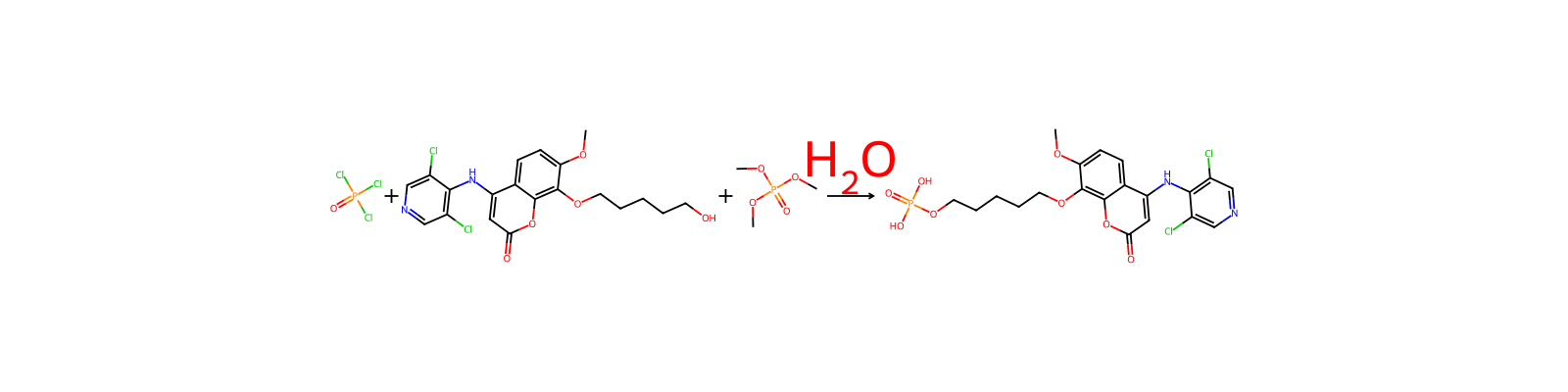
関連反応
104 件


関連ノート
読み込み中…